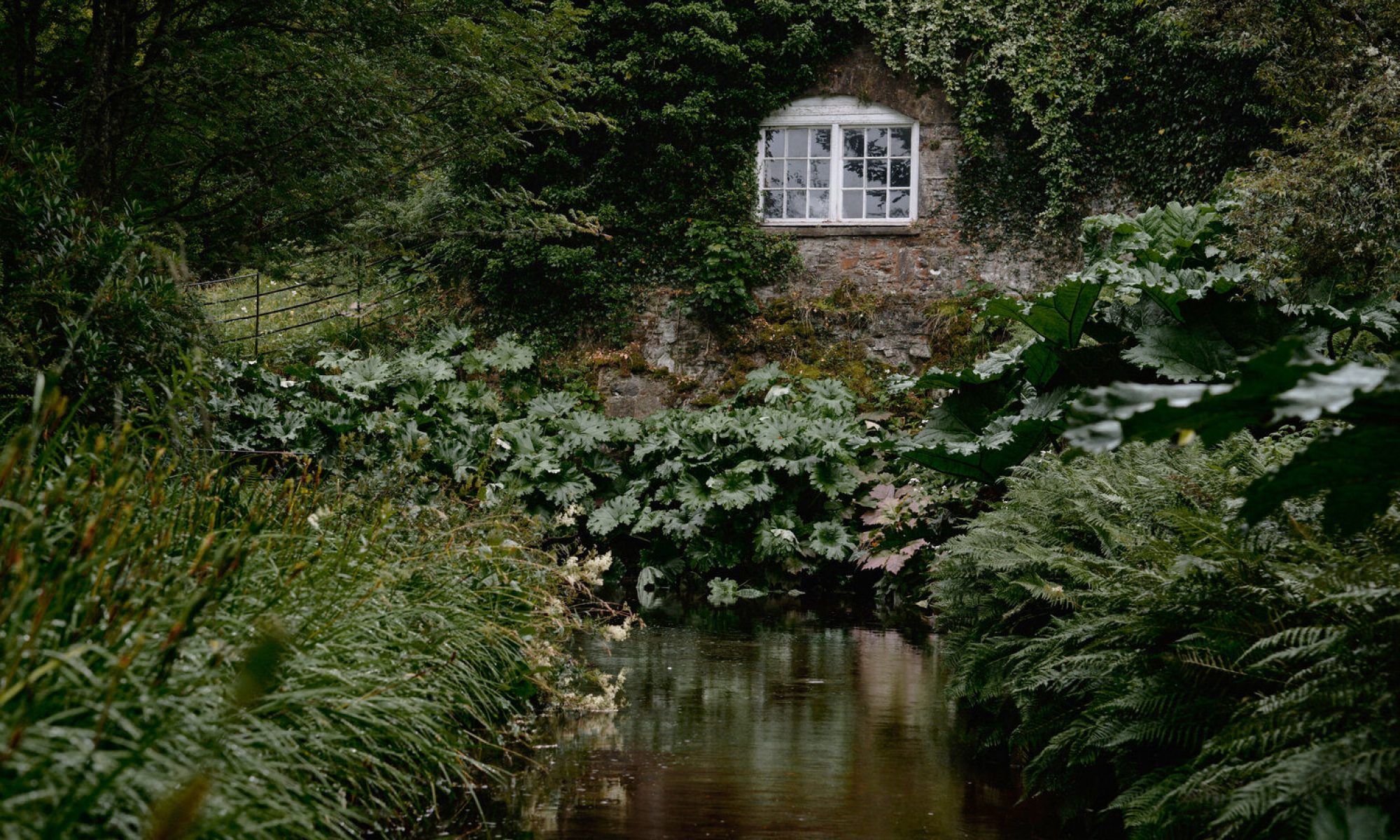
Stepping up Salmon Recovery

It’s hard to imagine a Washington without salmon.  

We owe it to ourselves, our neighbors and to future generations to recover salmon populations in Washington. We’re also obligated under the federal Endangered Species Act and through treaties with sovereign tribal nations, not only to make salmon recovery a priority, but to succeed in these efforts.  

Governor Inslee has proposed a salmon recovery package that could make a big difference as we work together to ensure salmon have a fighting chance. With a policy proposal for improving habitat and cooling off Washington’s salmon-bearing rivers and streams, a grant program to support habitat restoration and a framework for accountability and adaptive management, the Lorraine Loomis Act (SB 5727/HB 1838) is the linchpin of the Governor’s proposal. 

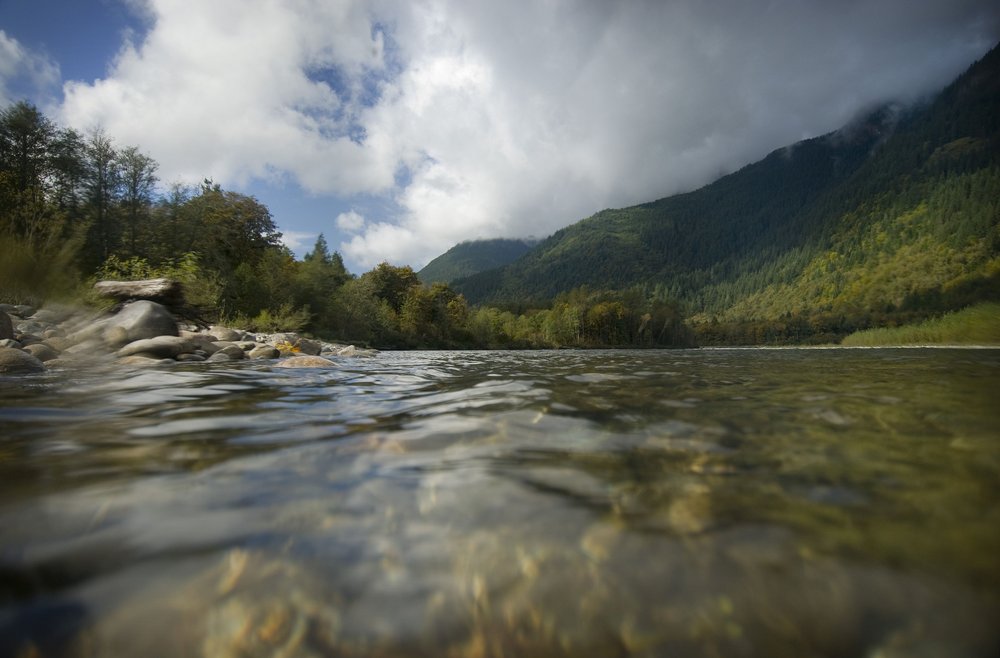
Rivers lined with abundant, healthy vegetation are ideal habitat for salmon. Skagit River photo by Bridget Besaw.
An environmental community priority

The Lorraine Loomis Act is one of four priority bills for the statewide Environmental Priorities Coalition (EPC), a group of more than 20 organizations advocating for a healthier Washington for all.


Learn more about EPC

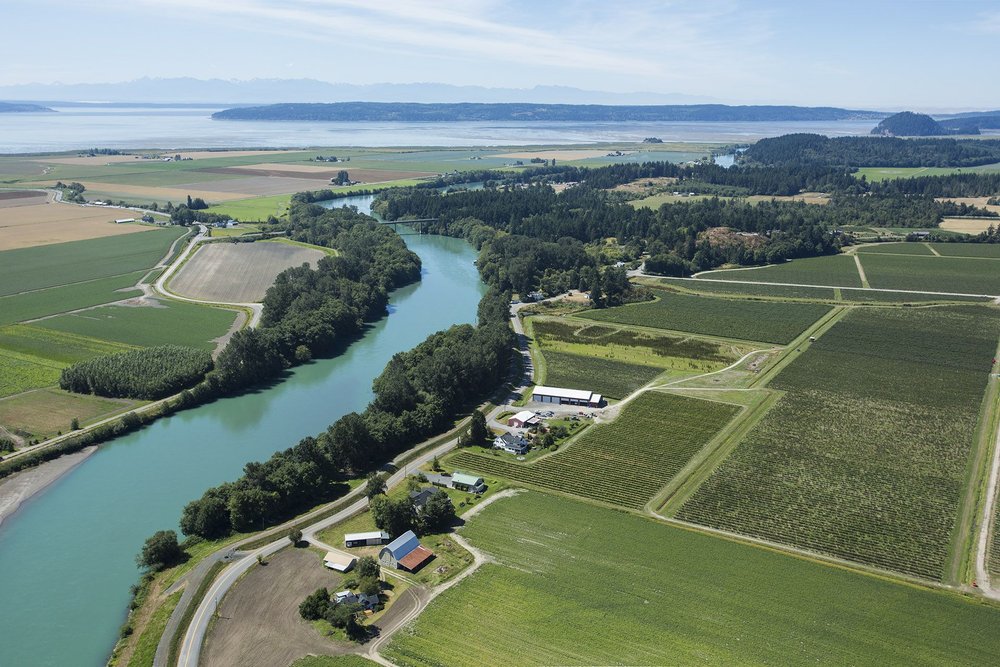
Named for the late chair of the Northwest Indian Fisheries Commission, and developed through Centennial Accord efforts of treaty tribes and the Governor’s Office, the Lorraine Loomis Act will protect and restore riparian habitat — the trees and plants along riverbanks that are critical to healthy water quality, river shape and temperature for salmon. The bill would require that rivers in priority watersheds are bordered by a band of trees and vegetation wide enough to effectively cool and clean the water. It includes incentives and cost-share provisions to assist landowners, particularly Washington’s farmers, in making needed changes. A $100 million riparian grant program established in the bill is meant to help farmers and other landowners ensure the waterways on the properties they own and manage have the healthy vegetation and cooling shade salmon need to survive. Additional future funding, from state, local, and federal sources, will also be essential to support these stewards of working lands.

Trees and vegetation along the Skagit River help cool down and clean up water filtering through the soil, creating friendlier conditions for salmon. Photo by Marlin Greene/One Earth Images.

Speak Up for Salmon: send your reps a note

Riparian reforestation reflections

Read a guest essay from a University of Washington graduate student on what she learned about adding trees to riparian areas through a TNC research partnership last summer. 

Budget support for innovative water solutions

Another major source of salmon-killing pollution is the stormwater running off our highways, bridges and other paved surfaces. We’re advocating for requests in all three supplemental budgets — operating, capital and transportation — to support innovative, scalable solutions for water.

For instance, the Governor’s salmon recovery proposal supports the launch of a new Community-Based Public-Private Stormwater Partnership Program, which would support collaborations like the one at the foot of Seattle’s Aurora Bridge. The Aurora Bridge Bioswale, completed in 2021, now filters two million gallons of stormwater annually, cleaning out toxicants before they reach Lake Union – and it serves as a model for additional projects across the state. Check out our new video about the project to see why we’re urging the Legislature to create and fund this partnership program.

An innovative public-private partnership is making major progress to clean up polluted stormwater along a busy transportation corridor — and this is just the beginning.

Zeroing in on stormwater pollution hotspots
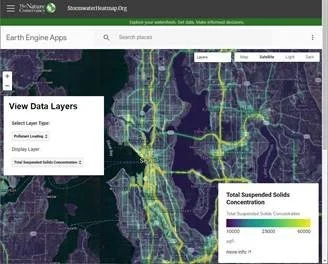
Click to visit the new Stormwater Heatmap.

There’s no denying the connection between the fate of salmon and the sustainability of our transportation system. The Nature Conservancy’s new stormwater heatmap tool illustrates this link and drives home the need for more creative efforts and public investment – while showing us where we can get the most bang for our buck.  

>
We didn’t set out to map highways. But when you map pollutants, it turns into a highways map.

— Jessie Israel, TNC Director of Puget Sound Conservation

Cleaning up polluted stormwater is clearly an urgent imperative – both for recovering salmon populations and for continuing to provide clean drinking water for people in our growing region. As the Legislature considers funding a transportation package for Washington, investments in stormwater retrofits must be included.  

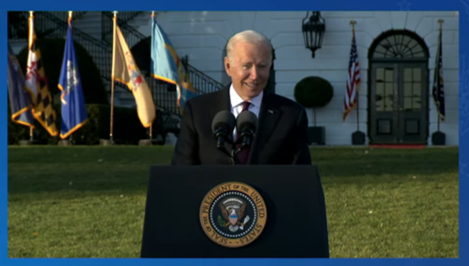
President Biden signed the bipartisan Infrastructure Investments and Jobs Act in December 2021.
putting Federal Funds to work

The Infrastructure Investments and Jobs Act that passed late last year included major funding to help salmon recovery efforts, thanks to the efforts of Sen. Maria Cantwell and Rep. Derek Kilmer. The National Culvert Removal, Replacement and Restoration Grant Program – and a billion dollars in funding for it – will help transportation agencies fix fish passage barriers that impact salmon. Governor Inslee’s proposed state funding would help leverage these federal dollars to do more, faster.


Use your voice to speak up for salmon

With an all-virtual legislative session this year, it couldn’t be easier to share your support for salmon recovery with lawmakers. Use the button below to send your senator and representatives a message in support of salmon recovery.


Send your legislators a note


Banner photo: Coho salmon in the Sol Duc River by Adam Baus.
The Conservation Futures Promise

Sign in Pro to support Conservation Futures

The Conservation Futures bill (HB 1672) is in the House Finance Committee. Let those committee members know you support it by adding your name at the Committee Sign in page before the hearing on January 18.
(Not sure how this works? Here’s what “sign in pro” means.)

We all know — especially after the past couple of years — that access to the outdoors is crucial public health infrastructure. Everyone needs a place to get outside, take a deep breath, exercise, play.

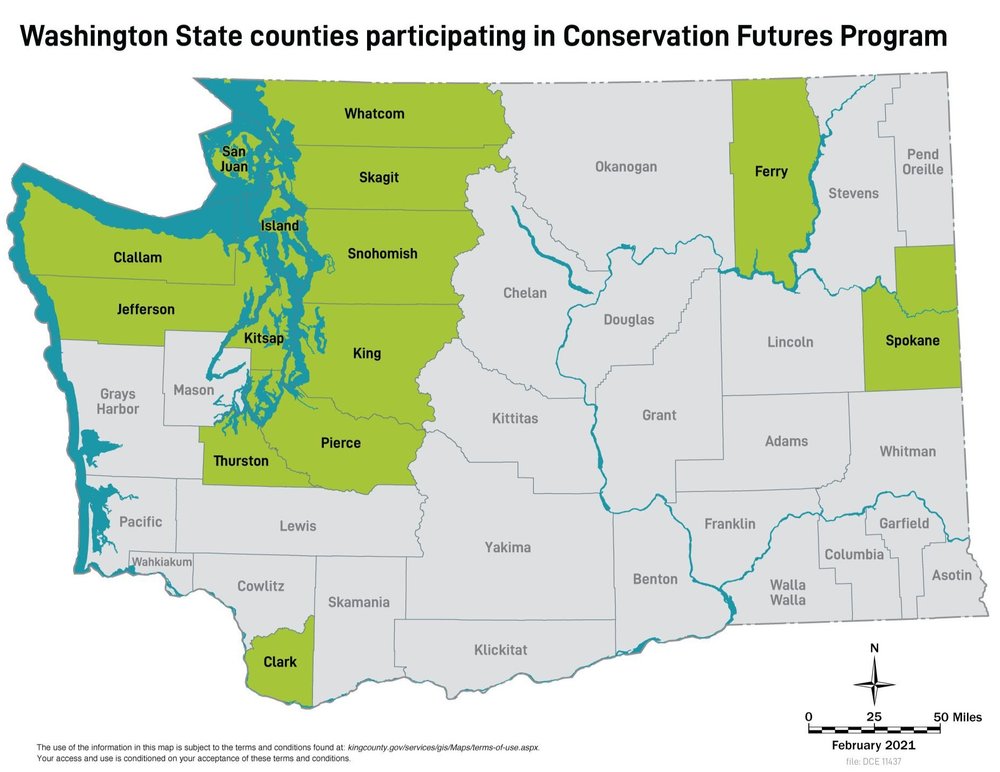
Washington’s Conservation Futures program has helped counties across the state ensure and expand access to parks and open space for residents for more than 50 years. But as our population grows and property values climb, a conflict in the law authorizing Conservation Futures threatens to erode the utility of the program for counties.

Small fix, big difference

Click to enlarge: Map of counties participating in Washington’s Conservation Futures program. Courtesy of the Conservation Futures Coalition.

House Bill 1672 clarifies an ambiguity in existing state law to restore local control for the conservation of parks, farmland and forests, allowing local jurisdictions like counties to use the property taxes they already collect however it works best for their communities — including for conservation.

Working together

Washington’s Conservation Futures program is an important source of matching funds for federal dollars from programs like the Land and Water Conservation Fund, which is responsible for protecting some of our state’s most precious outdoor places. Take a quick photo tour of just a few of the stunning spots LWCF protects in our state.

Speak up for local conservation capacity

Your voice makes a difference. Help ensure communities across Washington continue to have access to parks and open spaces by signing in “pro” before the House Finance Committee hearing on January 18.


Learn more from the Conservation Futures Coalition


Sign in Pro before 1/18 House Finance Committee Hearing


Banner photo by Breanna Oakley.

Clean Water Under the Bridge

A newly completed bioswale at the foot of Seattle’s Aurora Bridge now removes pollutants from stormwater running into Lake Union. Myriad partners from public agencies, private businesses and nonprofits collaborated to make the Aurora Bridge Bioswale a reality, with major pollution-cleanup benefits – this piece of green stormwater infrastructure filters two million gallons of runoff each year. Projects building off this model could make an even bigger impact – including a proposed bioswale under Seattle’s I-5 bridge that could filter more than 900 million gallons of stormwater annually.  These types of projects are an important part of tackling pollution.  

Wherever vehicles drive over impervious surfaces, tiny particles of tire dust wind up in the water running off roadways when it rains, entering our waterways along with other toxic pollutants. Recently, scientists from Washington State University, U.S. Fish and Wildlife Service, the National Oceanic and Atmospheric Administration, and the University of Washington Tacoma discovered that one chemical present in all types of tires – 6PPD – is particularly harmful to salmon. While there is no known replacement for 6PPD, we do know that green stormwater infrastructure – like bioswales and rain gardens –is effective at removing this and other harmful substances from runoff. 

Watch the video below to learn more about the innovative approaches TNC and partners are taking to combat stormwater here in Washington. 

Thank you to the partners that made this possible: 

  • Boeing 

  • Clean Lake Union 

  • Department of Commerce  

  • Hess Callahan Grey Development 

  • KPFF 

  • Salmon Safe 

  • Stephen C. Grey and Associates 

  • The Nature Conservancy in Washington 

  • Weber Thompson 

  • Site Story

  • Adobe 

  • City of Seattle 

  • Fremont Dock Company 

  • Groundspeak/Geocaching 

  • Hal Real Estate 

  • Hess Callahan Partners 

  • Parametrix  

  • Rushing 

  • Spear Street Capital 

  • Tableau/Salesforce  

  • Turner Construction Company 

  • Washington State Legislature 

  • Washington State Department of Transportation


Trustee Lobby Day 2022

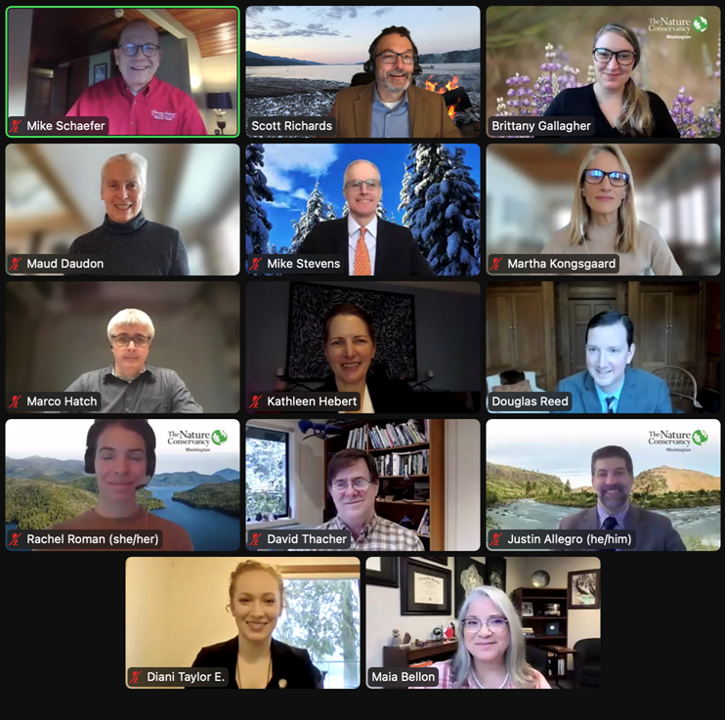
Our all-volunteer Board of Trustees is packed with wonderful folks. They’re community leaders, business owners, farmers, philanthropists, professors, parents and adventurers. Many also have a keen interest in policy and understand how important it is to successful, long-lasting conservation efforts. Though they’re among the busiest people we know, our trustees also know how worthwhile it can be to visit with the lawmakers whose decisions have major impacts on people and nature in Washington.  

That’s why Trustee Lobby Day is a highlight of the year for our Government Relations staff. Though we’ve been stuck on Zoom for two years running now, the energy, commitment and enthusiasm these volunteers bring to our advocacy efforts is as refreshing as ever.

This year, nine trustees joined TNC staff on our virtual trip to Olympia during the third week of the legislative session. We met with Governor Inslee and his staff, Commissioner of Public Lands Hilary Franz and ten legislative leaders from both houses and both parties. We checked in with each office about our 2022 priorities and next steps for bills moving through the legislative process during this short session.  


Learn more about our Board

Nature Unites Us

Many lawmakers are in Olympia this session, but meetings are held virtually to protect public health. Photo by Brittany Gallagher.

The urgent need to support the resilience of Washington’s communities and ecosystems in the face of climate change was the common thread that ran through all our meetings — with Republicans and Democrats, caucus and statewide leaders and locally-focused lawmakers. As in previous years, we were impressed by the thoughtfulness of legislators and their staff when discussing the bills we’re following, made ever more remarkable knowing they’re jumping from 15-minute meeting to 15-minute meeting all day long, every day.

As the Legislature faces a key deadline this week, lawmakers are working hard to amend and advance bills and budget items that are important to their constituents. Some of our top policy priorities, including the Lorraine Loomis Act for salmon recovery and the Keep Washington Evergreen proposal, are undergoing major changes and may not advance in their original form. We’re working hard, alongside our partners and the Legislature, to ensure that Washington will continue making progress for nature this year.


Revisit our 2022 Legislative Priorities


Opting Outside

As the daylight hours increase and signs of spring emerge, we’re looking forward to spending more time in Washington’s great outdoors. We were delighted to take the opportunity to invite our elected officials to tour a few of our projects on the ground, from efforts to increase urban tree canopy in south King County and improve wildfire resilience in Kittitas County.

While there’s no substitute for the inspiration getting out in nature can provide, you too can take a virtual tour of the diverse landscapes in our state via the buttons below.


Explore More of Where We Work


Look forward To a Summer Road Trip


Banner image: Tarboo Bay and the Olympic Mountains by Keith Lazelle.

Congress and Forest Service Lead on Wildfire Strategy

Last week, Rep. Kim Schrier hosted a conversation with Regional Forester Glenn Casamassa and State Forester George Geissler. The three leaders spoke about the implementation of the recently announced U.S. Forest Service 10-year Wildfire Strategy and how the strategy will unfold in Washington state. 

The 10-year Wildfire Strategy outlines the need to significantly increase fuels and forest health treatments to address the growing risk of wildfire that threatens lands and communities across the West—and it specifically highlights three priority “firesheds” in Central Washington where communities are at greater risk of wildfire. A fireshed is a delineated area that shows where fires are likely (or not likely) to ignite, how they might spread and how nearby communities might be impacted.

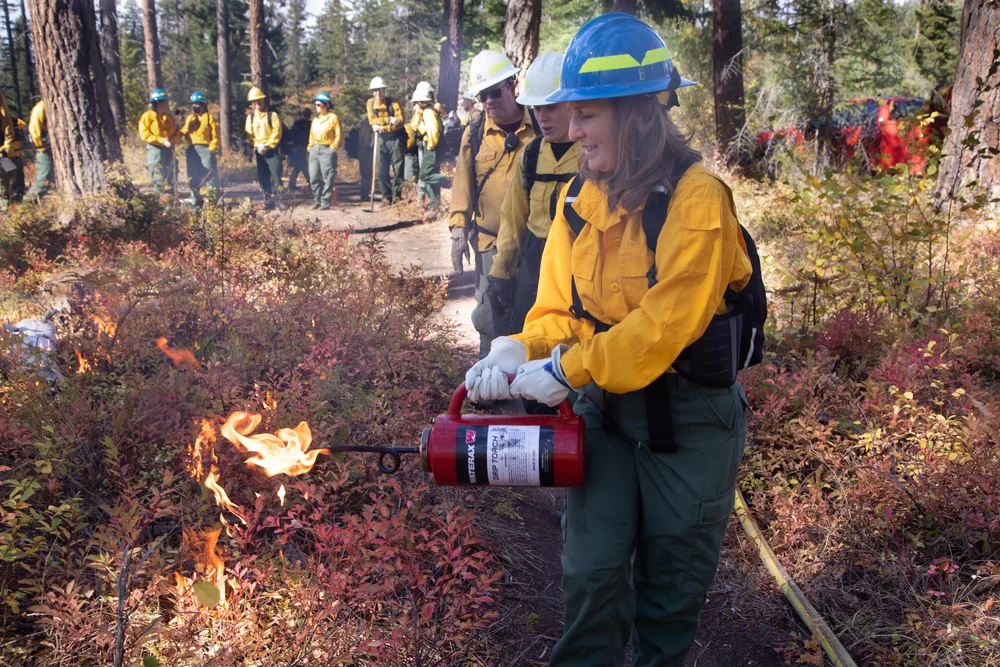
U.S. Rep Kim Schrier lights a prescribed burn during the 2021 Cascadia Prescribed Fire Training Exchange near the town of Roslyn, Wash. © John Marshall

The three leaders also spoke about the Infrastructure Investment and Jobs Act (IIJA), which Congress passed in November. The IIJA provides nearly $3 billion to implement the actions in the 10 Year Wildfire Strategy.

Rep. Schrier stated that the 10 Year Strategy and the new federal funding will help “increase the pace and the scale of fuels reductions and forest health treatments across jurisdictions to match the actual scale and urgency of wildfire risk. This work will include things like prescribed fire and thinning and will be complemented by investments in fire-adapted communities to make sure that people can protect their own homes and communities.” 

Among other investments, the infrastructure bill includes $500 million to ramp up the use of prescribed fire—a tool that Rep. Schrier championed with the National Prescribed Fire Act  she introduced last year.  This new federal effort complements the investments that the state Legislature enacted last year through HB 1168, the Wildfire Funding and Forest Health bill. 

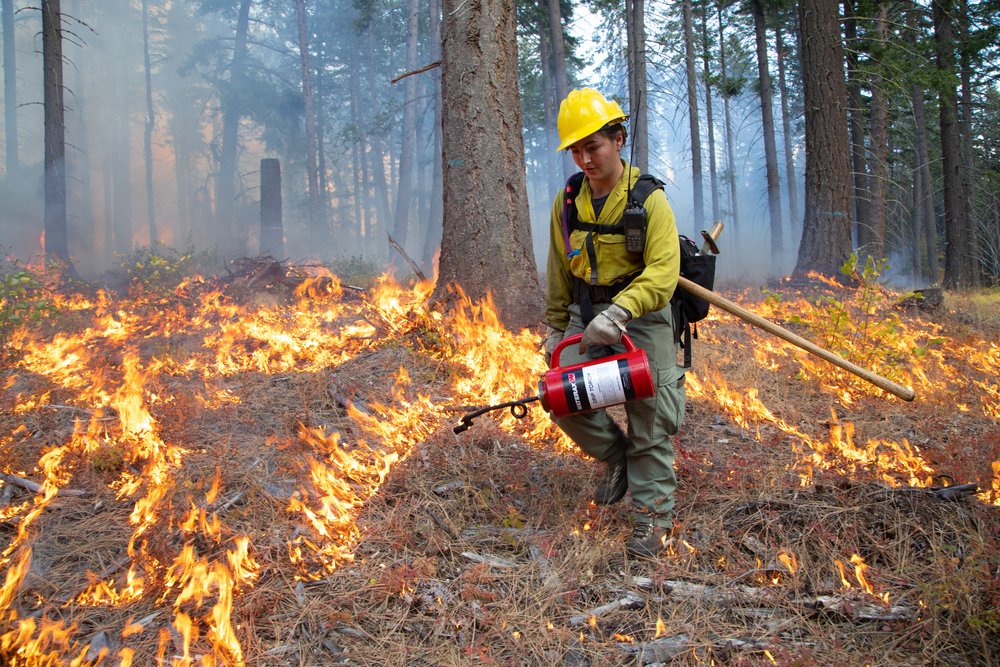
Prescribed fires are intentionally set to reduce brush and small-diameter trees in the dry forests and other landscapes of Eastern Washington. This reduces the risk of larger, more destructive wildfires. © John Marshall

After the virtual event, Darcy Batura, forest partnerships manager for TNC, said, “Collaborative partners across Central Washington have developed plans and projects to address the wildfire resilience need.  Now thanks to Rep. Schrier, Sens. Patty Murray and Maria Cantwell and other congressional leaders, we have the critical funds to complete these projects, restore resilience to Central Washington forests and protect the communities where their safety and local economies are directly linked to forest health.”

Check back on this blog for more updates on the implementation of the 10 year Wildfire Strategy and the rollout of the federal infrastructure funds that will help our forests and our communities across Washington.

Learn More About Our Work in Fire Management

Banner photo © Nikolaj Lasbo / TNC