Grant will support taking youth to TNC preserves

The Nature Conservancy’s Partners to Preserves program has been awarded a grant through Washington’s No Child Left Inside grant program to support bringing 400 youth to TNC preserves across Washington over the next two years.

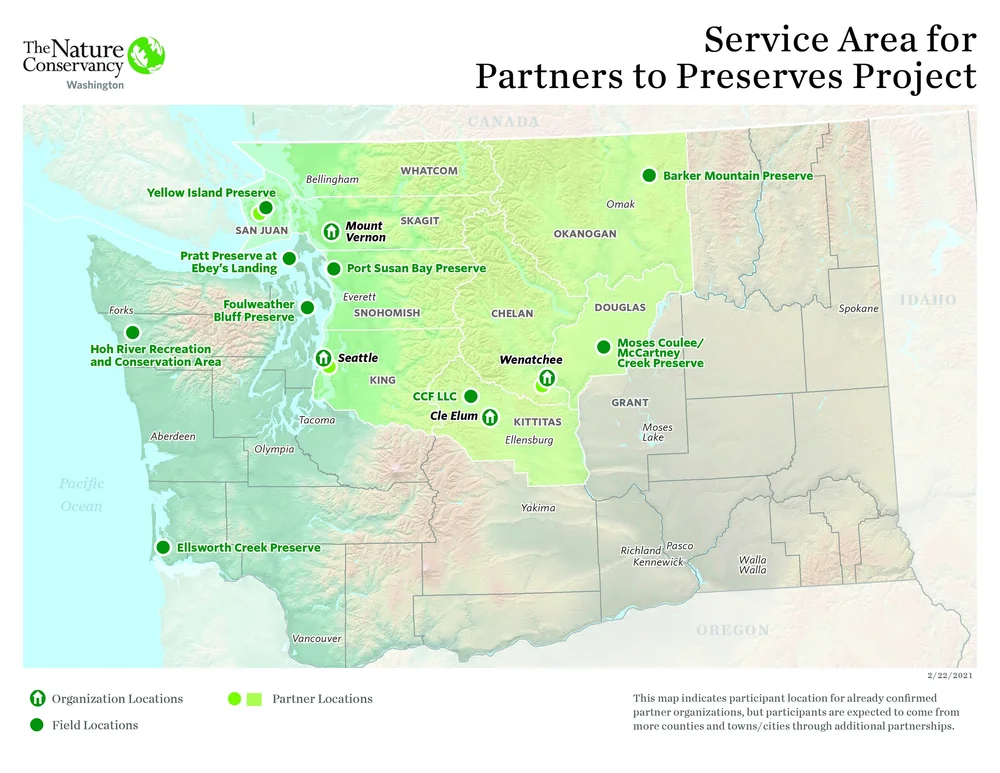
TNC’s Partners to Preserves program works with organizations serving youth to bring their outdoor programs to TNC preserves in Pacific, Jefferson, Okanagan, San Juan Island, Kitsap, Snohomish, Kittitas, Grant, and Douglas counties. Youth will participate in science and learn natural and cultural history, art, hiking, and camping.

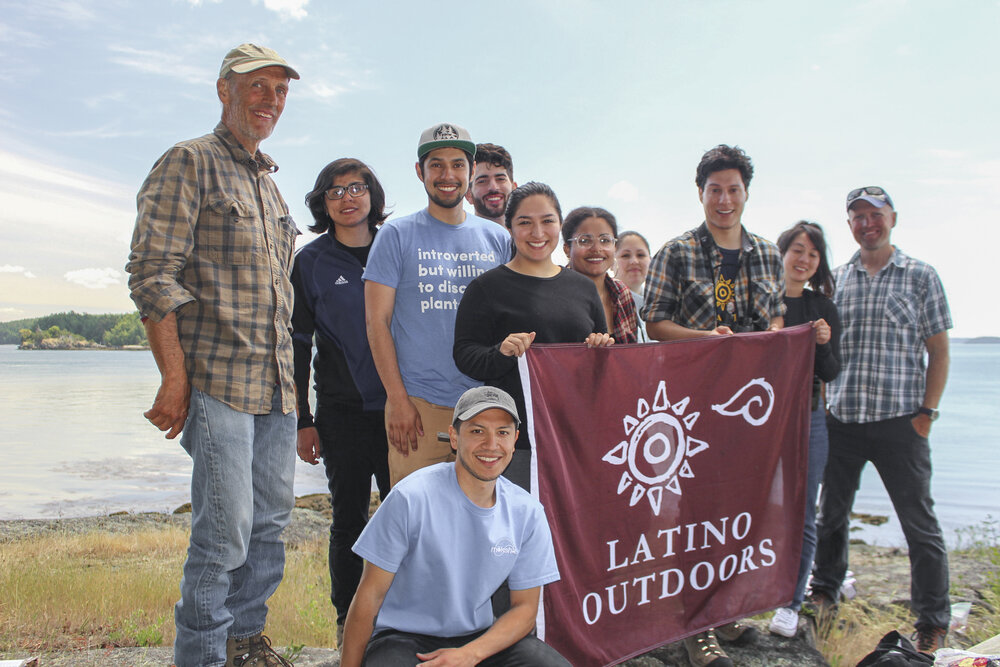
Youth and adults from Latino Outdoors visit The Nature Conservancy’s Yellow Island Preserve, before the COVID pandemic shut down field trips. TNC is beginning to plan some limited field trips with COVID safety protocols in place.  © TNC/Alfonso Oroz…

Youth and adults from Latino Outdoors visit The Nature Conservancy’s Yellow Island Preserve, before the COVID pandemic shut down field trips. TNC is beginning to plan some limited field trips with COVID safety protocols in place. © TNC/Alfonso Orozco
“We’re thrilled and grateful for this opportunity to expand our program and support youth from diverse communities who are most impacted by lack of access to nature,” said Alfonso Orozco, TNC’s Volunteer and Outdoor Experiences Manager, who manages the Partners to Preserves program. “Through partnering with organizations already doing excellent work and supporting them in realizing their own goals, we can use our preserves as natural learning platforms for outdoor experiences.”
StateMap_PartnersToPreserves_20210222_8.5x11_FINAL.jpg

TNC will work with partner organizations World Relief, Team Naturaleza, Kandelia, Coast Salish Youth Stewardship Corps, and others to bring youth to explore and learn about our many Washington preserves. The $63,630 grant, through the No Child Left Inside grant managed by the Washington Recreation & Conservation Office (RCO), will enable TNC to quadruple the number of youth served by the program Orozco said.

“World Relief Seattle is excited to partner with TNC to provide unique outdoor educational experiences for refugee children,” said Katie Stoppler, Health and Wellness Manager for the organization which serves refugees and immigrants in the greater Seattle area. “Not only will refugee children have access to the rich and diverse environment in the Pacific Northwest, but these experiences will increase a sense of home and community for our newest neighbors.”

The grant will cover transportation, supplies, meals, the development of educational toolkits, and stipends to trip leaders as they bring youth to these preserves: Yellow Island Preserve, Pratt Preserve at Ebey’s Landing, Port Susan Bay Preserve, Moses Coulee/Beezley Hills preserves, Hoh River Recreation and Conservation Area, Ellsworth Creek Preserve, Central Cascades Forest and Barker Mountain Preserve.

The state’s No Child Left Inside grant program focuses on removing barriers that prevent youth from accessing outdoor experiences and nature-based education. This year’s grants will help more than 50,000 kids spend nearly 1.5 million hours outside, doing everything from hiking to kayaking to camping.

Banner photo, Little Brook Youth Corps students participate in a Dirt Corps workshop to learn about the benefits of trees in an urban forest. © Hannah Letinich
Celebrating One Year of the Great American Outdoors Act

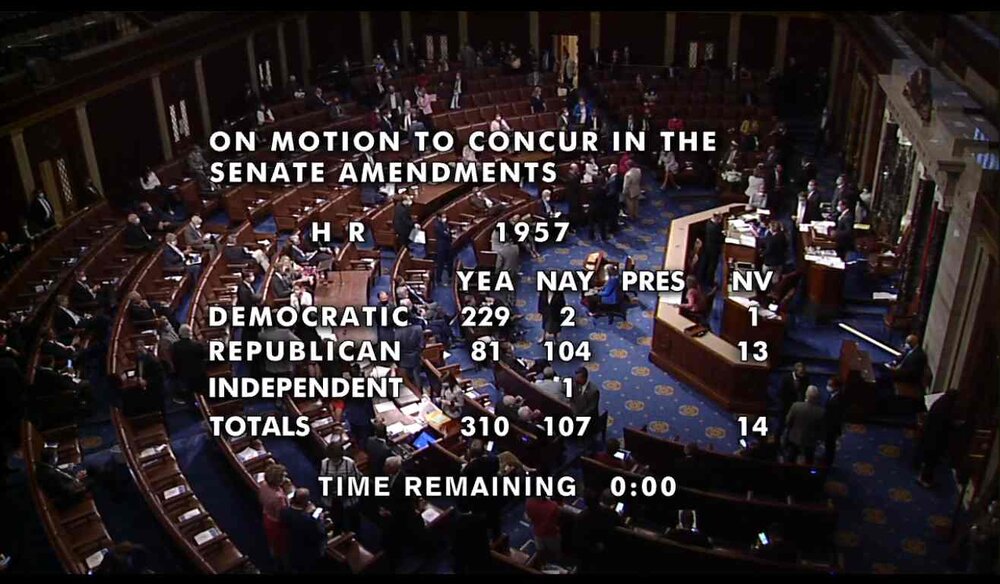
One year ago today, the US House of Representatives voted overwhelmingly in support of the Great American Outdoors Act, marking our country’s biggest conservation funding victory in decades. The bill became law a few weeks later, permanently providing dedicated funding for the Land & Water Conservation Fund, which helps communities across the continent protect and improve access to public outdoor spaces large and small.

Screenshot GAOA House Vote.jpg

As we look back at that major bipartisan victory, we’re looking forward to finally celebrating together – in person! Outside! – with many of our partners in the national Land & Water Conservation Fund Coalition, and with our collaborators on a Washington state project close to our hearts: protecting the Taneum watershed.

The Taneum project seeks to permanently protect 12,000 acres of irreplaceable Central Cascades forestland near the headwaters of the Yakima River. An exemplary large-scale LWCF project, reconnecting the “checkerboarded” parcels in this watershed will protect drinking water for the Yakima Valley and preserve critical fish and wildlife habitat while expanding recreation access for the area – popular with hikers, horseback riders, anglers and many others. By transferring these privately owned parcels in to public ownership, we’ll increase management efficiencies and facilitate forest-health treatments to help protect communities from catastrophic wildfire and other climate-change impacts.

Learn about reconnecting the Taneum

The Taneum project wouldn’t be possible without the Great American Outdoors Act, and we’re working hard to secure the substantial LWCF funding needed for this transfer. Meanwhile, we’re also taking time to celebrate the special places across Washington protected by LWCF over the years. Check out the gallery below for a quick virtual trip to a sampling of these treasured spots.

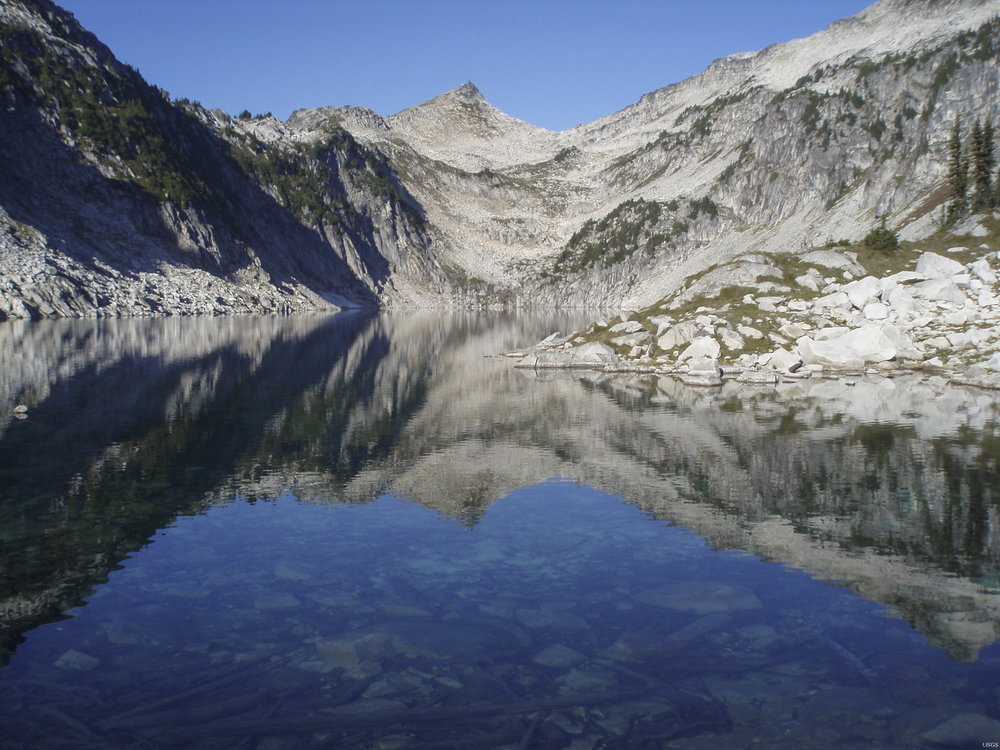
 Hidden Lake’s stillness is due in part to LWCF’s federal grant program, which has helped keep North Cascades National Park whole. Photo by Richard Sheibley, USGS, Public Domain.

Hidden Lake’s stillness is due in part to LWCF’s federal grant program, which has helped keep North Cascades National Park whole. Photo by Richard Sheibley, USGS, Public Domain.

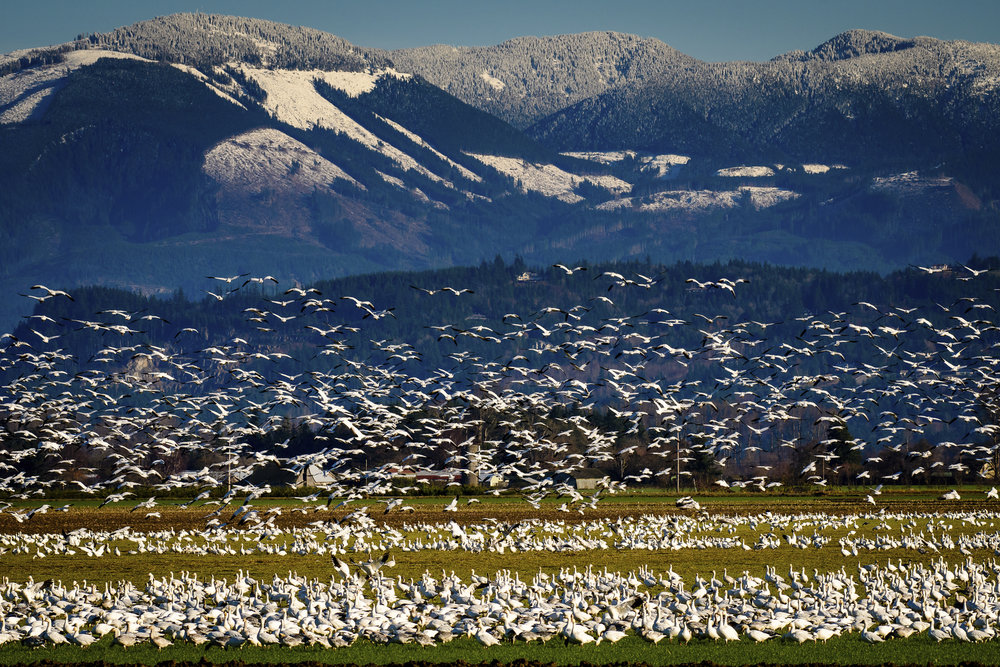
 Migratory snow geese at the Skagit Wildlife Area draw birdwatchers from around the world. This place is protected by LWCF. Photo by Michael McAuliffe.

Migratory snow geese at the Skagit Wildlife Area draw birdwatchers from around the world. This place is protected by LWCF. Photo by Michael McAuliffe.

 Access to the Hoh River in Jefferson County was made possible by LWCF. Photo by Bridget Besaw.

Access to the Hoh River in Jefferson County was made possible by LWCF. Photo by Bridget Besaw.

 Moses Coulee, on the spectacular Columbia Plateau in Douglas County, is protected by LWCF’s federal grant program – and it’s one of The Nature Conservancy’s largest preserves in Washington. Photo by Kit Swartz

Moses Coulee, on the spectacular Columbia Plateau in Douglas County, is protected by LWCF’s federal grant program – and it’s one of The Nature Conservancy’s largest preserves in Washington. Photo by Kit Swartz

 Heybrook Lookout Trail, west of Stevens Pass, is in the Mt. Baker-Snoqualmie National Forest, one of many National Forests protected by LWCF. Photo by Sony Thomas

Heybrook Lookout Trail, west of Stevens Pass, is in the Mt. Baker-Snoqualmie National Forest, one of many National Forests protected by LWCF. Photo by Sony Thomas

 Recreational access to the Skagit Wild & Scenic River is protected by LWCF. Photo by Bridget Besaw.

Recreational access to the Skagit Wild & Scenic River is protected by LWCF. Photo by Bridget Besaw.

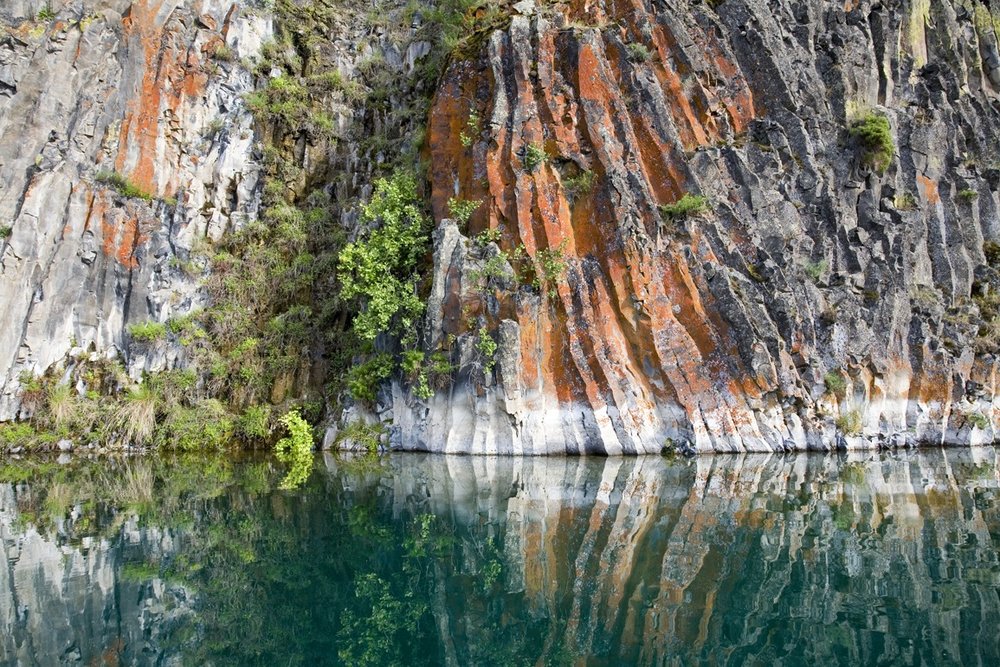
 Columnar basalt at Deep Lake in Sun Lakes State Park, Grant County, heaven for geology geeks and boaters of all sorts. Photo by John Marshall.

Columnar basalt at Deep Lake in Sun Lakes State Park, Grant County, heaven for geology geeks and boaters of all sorts. Photo by John Marshall.

 The spectacular Olympic Mountains are headwaters for many salmon-bearing streams and a bucket-list destination for hikers. The Olympic National Forest and Olympic National Park have both benefited from LWCF protection. Photo by John Marshall.

The spectacular Olympic Mountains are headwaters for many salmon-bearing streams and a bucket-list destination for hikers. The Olympic National Forest and Olympic National Park have both benefited from LWCF protection. Photo by John Marshall.

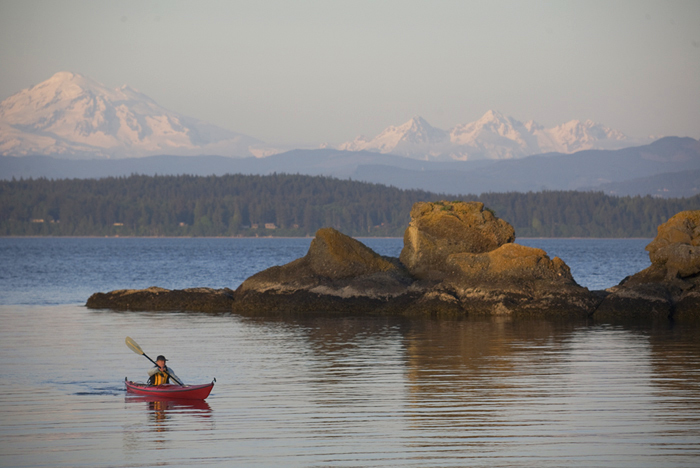
 The San Juan Islands offer world-class recreation, thanks in part to access and protection by LWCF. Photo by Joel Rogers.

The San Juan Islands offer world-class recreation, thanks in part to access and protection by LWCF. Photo by Joel Rogers.

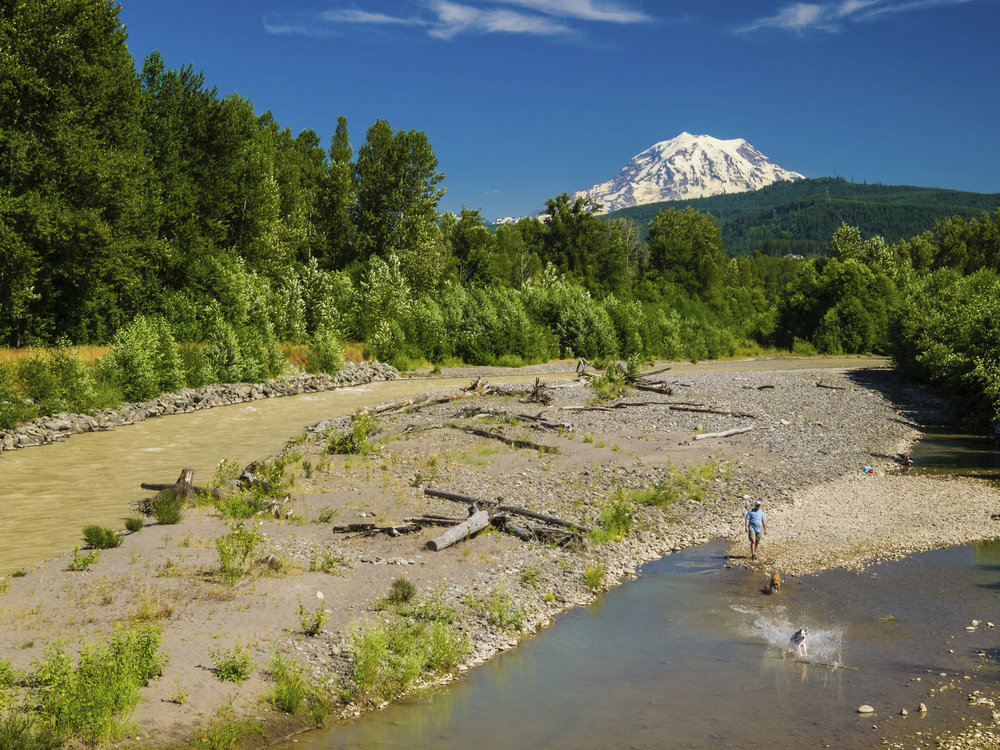
 Recreation on the Puyallup River in Pierce County is accessible to more families thanks to LWCF funding. Photo by Keith Lazelle.

Recreation on the Puyallup River in Pierce County is accessible to more families thanks to LWCF funding. Photo by Keith Lazelle.

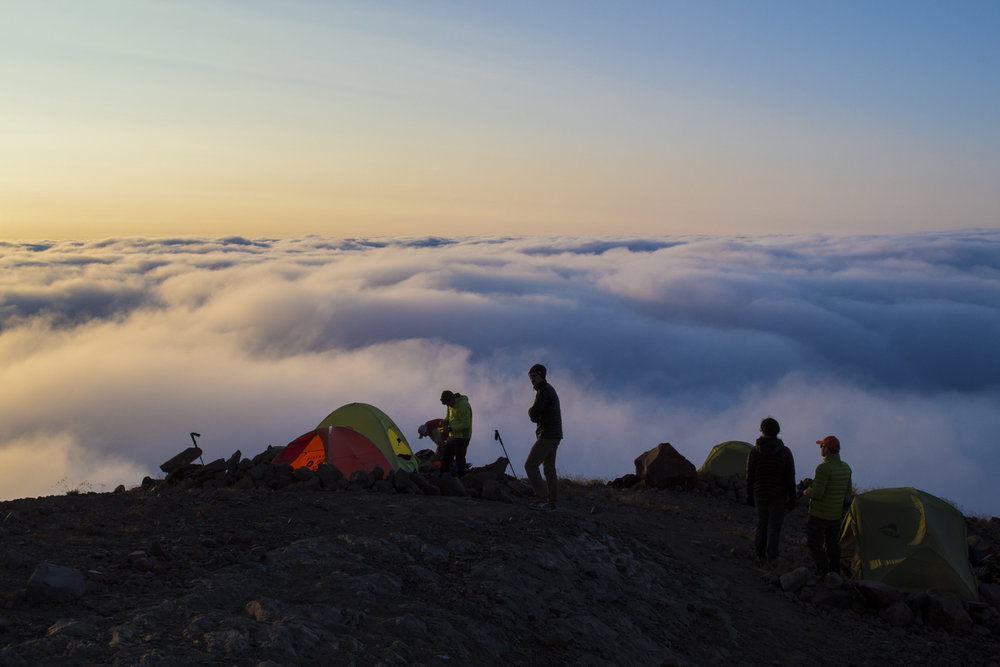
 In the North Cascades, campers enjoy the sunset in the Mount Baker – Snoqualmie National Forest in Whatcom County, protected by LWCF. Photo by Jacob Hall

In the North Cascades, campers enjoy the sunset in the Mount Baker – Snoqualmie National Forest in Whatcom County, protected by LWCF. Photo by Jacob Hall

 Lake Cle Elum is in Wenatchee National Forest, Kittitas County, where we’re working to protect acres of forestland along the Pacific Crest Trail with support from LWCF. Photo by Zoe van Duivenbode

Lake Cle Elum is in Wenatchee National Forest, Kittitas County, where we’re working to protect acres of forestland along the Pacific Crest Trail with support from LWCF. Photo by Zoe van Duivenbode

 Willapa National Wildlife Refuge in Pacific County is protected by LWCF’s federal grant program and is adjacent to our Ellsworth Creek Preserve. Photo by Yoav Daniel Bar-Ness

Willapa National Wildlife Refuge in Pacific County is protected by LWCF’s federal grant program and is adjacent to our Ellsworth Creek Preserve. Photo by Yoav Daniel Bar-Ness


Meet Katie Pofahl, Eastern Washington Community Relations Manager

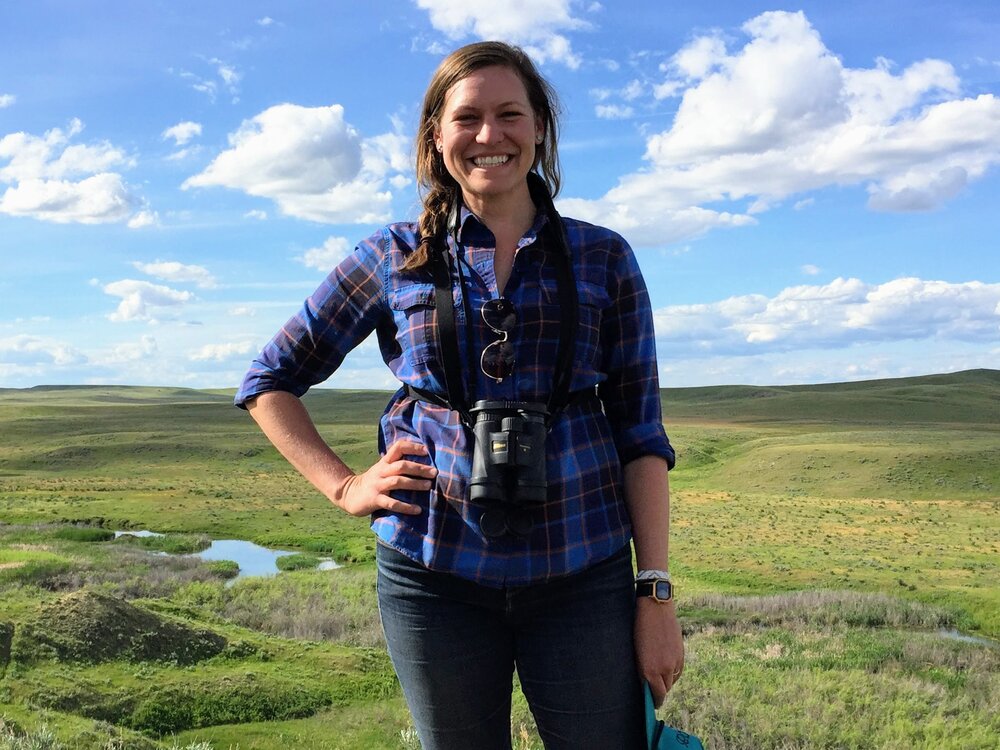
Katie Pofahl has joined The Nature Conservancy’s Washington chapter as our Eastern Washington Community Relations Manager with the Climate Resilient Forests and Communities team.

Katie will be focused on working with local communities, partners and leaders to build trust and plan for, design, and implement projects that reflect a broad suite of community needs, such as climate resilience, habitat conservation, forest health, recreation, economic development, and health and safety.

IMG_6948.JPG

She recently graduated with a Master of Environmental Management from the Yale School of the Environment and brings over ten years of applied conservation. She is a Switzer Fellow, a Wyss Scholar for the Conservation of the American West, and she led the Yale Chapter of the Society for Ecological Restoration. As part of her studies, Katie worked with The Nature Conservancy’s Sierra Nevada program to develop policy approaches that reduce the risk of catastrophic wildfire in California while supporting a sustainable forest products industry. She also collaborated with the Rural West Covid Project where she worked to inform public policy across various levels of government to meet the needs of rural West communities struggling with the social and economic impacts of the pandemic.

Before coming to Yale, Katie worked for a land trust in Central California developing innovative community programs that were featured by the Land Trust Alliance and recognized by California State Parks for excellence in collaboration. She also served in public office with the Monterey Peninsula Regional Park and District protecting 1,041 acres of habitat from development, including rare forests and working ranchlands, and securing $1.2 million annually for open space preservation.

Katie’s work is focused on enacting transformative land conservation that will enable communities in the West to respond to urgent threats from drought, fire, urban sprawl and climate change. A key aspect of Katie’s approach is to view communities as a solution to critical issues rather than as a problem. Her work increases the pace and scale of land conservation while improving the wellbeing of our communities by using proven approaches that link land conservation to economic vitality, health, justice, and resilience to climate change.

Ask Katie about bike touring – she just rode over 550 miles and 30,000 vertical feet over 15 days in the Southern Rockies! She also loves surfing, snowboarding, and walking slowly in the forest

Banner photo © Tomas Corsini, volunteer photographer.

A huge opportunity for Central Washington

We’re thrilled to debut a new short video featuring our work in the Taneum watershed with some amazing partners!

Check out the gorgeous scenery and hear from project partners from the Yakama Nation, Mountains to Sound Greenway Trust, Yakima Basin Integrated Plan, Back Country Horsemen of Washington and more, all sharing their perspective about why the Taneum watershed needs us now.

The 12,000-acre project is up for funding from the Land & Water Conservation Fund this year, but it needs your help to receive the full $14.5 million we need to make it a reality. Help us get the word out by sharing the YouTube link to this video on your social media channel of choice or emailing it to a friend!

The Taneum watershed in the #CentralCascades is an awesome place to play outside – and it’s so much more. Together, we can permanently protect this irreplaceable landscape with #LWCF. Let’s do this!


Learn more about reconnecting the Taneum


Meet Daniel Misch, Arid Lands Assistant Manager

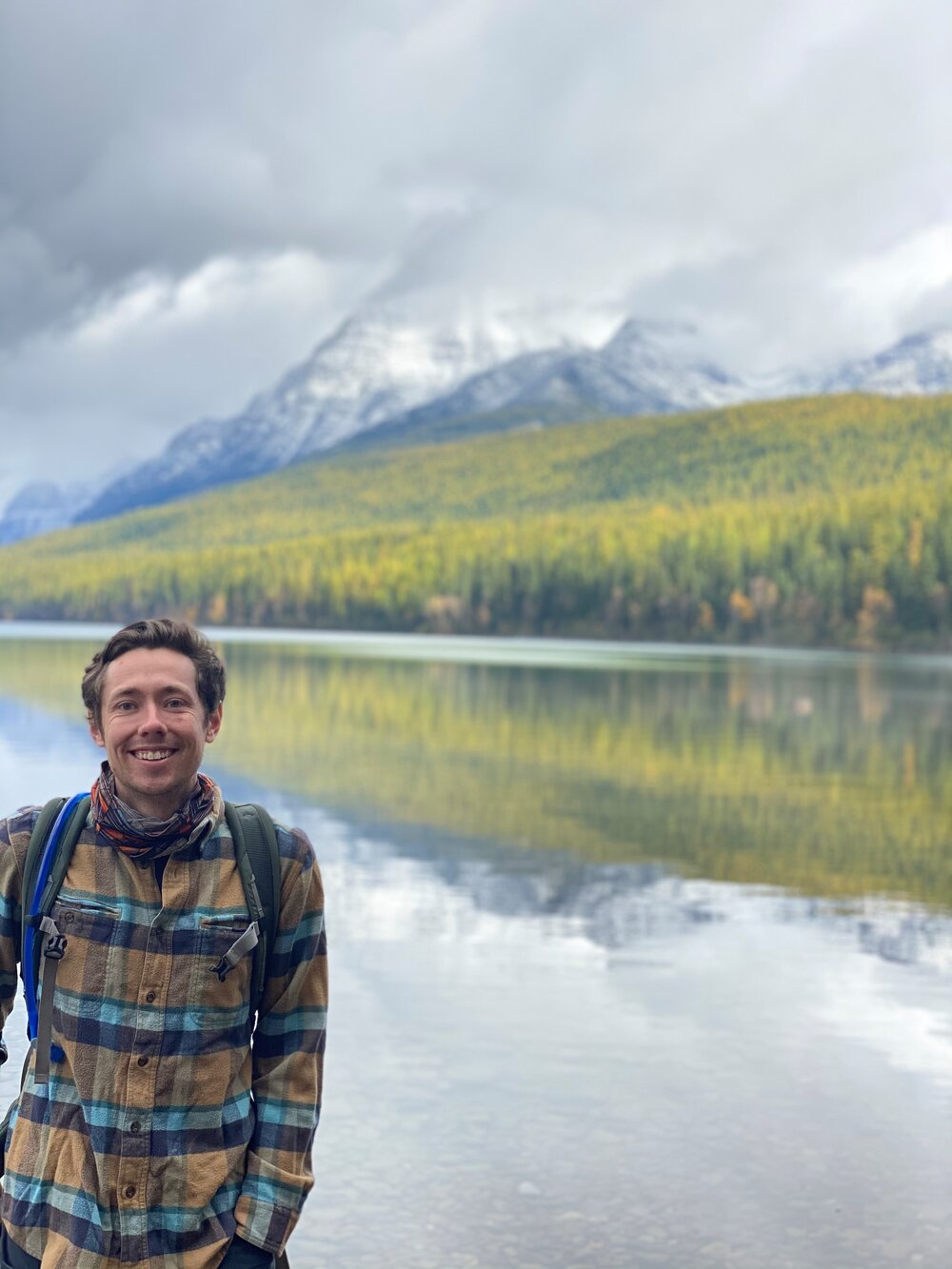
Daniel Misch is the new Arid Lands Assistant Manager at the Moses Coulee/Beezley Hills Preserves.

He’ll be leading post-fire restoration projects and assisting with many other stewardship activities on the preserves.

Profile.jpg

Daniel grew up in Northwest Indiana and graduated from Purdue University with a B.S. in Agriculture and Soil Science Minor. 

“Every summer through college I worked in conservation either spraying invasive weeds or building trails.  After college, I traveled throughout the United States with an environmental resources consulting company, working with Gas and Utility providers in all aspects of Vegetation Management and ecological consulting,” Daniel said .  “I’ve been looking for the right position to get back into conservation work, and I’m excited to start as the Arid Lands Assistant Manager.  In my free time you can find me skiing, mountain biking, or exploring the backcountry.”

Banner photo © TNC/Nikolaj Lasbo