
The Creative Way to Make Money Off Stock Footage

As a videographer, you have a lot of opportunities to make money alongside your mainstream income sources. One of these opportunities is to make money off stock footage. You may be familiar with the concept and may have even thought about giving it a go.

Whatever stopped you back then shouldn’t stand in your way now. Selling stock footage is a great way to help you make some extra bucks! So, it’s time to pull out the best of all those clips sitting in your hard drive and make some money off them. That’s why we’re here to help. We’ll tell you some creative ways to make money off your stock footage. So, let’s get started.

Pick an Out of the Box Niche

Sunrises, waves crashing on the shore, or airplane videos are some of the most commonly found stock videos – unless, of course, you can capture these elements differently. Picking a unique niche and filming it with a fresh, never-like-before perspective is what you need. With it, you’ll set your footage apart from thousands of others out there.

Try to come up with innovative and saleable video concepts. It could be something as simple as filming yourself cooking your breakfast, but with a creative twist of your own. Almost anything and everything that we do in our everyday lives is worth selling as stock footage.

So go out there and shoot videos of anything you feel is worth capturing. The best part about video content is that you don’t even need to step outside – you can capture amazing videos right from the comfort of your home!

Nail the Keyword Game

Your footage may be the best, but it won’t get the visibility it deserves if you don’t have the required keywording skills. With an on-point keywording game, the probability of your footage getting noticed on a stock footage platform is high.

Regardless of the kind of footage you have, you need to use the right set of keywords. A little effort to hone your keywording skills will help you increase your sales. Along with keywords, focus on the perfect title and clear category descriptions to accompany your video.

Leverage Social Media

Apart from stock footage platforms, you can also look for potential buyers on social media platforms. LinkedIn is one of the best platforms to find people who would be interested in purchasing your footage. You can browse LinkedIn and find marketing departments of organizations, producers, or content managers. You’re sure to find a lot of people actively looking to purchase stock footage.

Creating that buzz around your work is something you’d have to do yourself – at least until you are famous enough. For this, you can use Instagram, Facebook, Youtube, and other social media platforms to publicize your work. Put out short videos, clips, or snippets of your behind-the-scenes to garner more attention from the audience.

Consistency is the key, so make sure you regularly keep your social media pages updated with fresh content. Social media will not only help you build your network but also your brand. Lastly, honest feedback on these channels would also help you improve your work.

Focus on the Content

In the end, what’s going to help you the most is the quality of your content. So, this is one aspect you shouldn’t compromise on. Perfect footage is what most people out there are looking for – so steer clear of poorly lit scenes, jerky movements, and out-of-focus shots.

Experiment all you can to ensure you have unique content. Capture subjects from different, interesting angles to give potential clients a point of view they’ve never seen before.

Keep in mind the length requirements of stock footage, too. Every platform has slightly varying criteria but keep your video between 5 seconds to 1 minute long. Editing is another important aspect that you cannot compromise on. Use proper editing software to enhance your videos and add to their visual appeal and saleability.

Summing Up

Consistency is essential when it comes to selling stock footage. You may not see results immediately, but over time, with ample time and effort, you will reap the rewards of your hard work. Until then, keep putting out all your creative work out there!

The post The Creative Way to Make Money Off Stock Footage appeared first on Lightroom Killer Tips.
No Time to Die Honors James Bond Myth, Says Composer Hans Zimmer

Legendary composer Hans Zimmer says that No Time to Die honors the James Bond Myth. In the last thirty years, Zimmer has composed scores for many big budget films, including The Dark Knight, Pirates of the Caribbean, and The Lion King (for which he won an Academy Award in 1995). The eleven time Oscar nominee recently took over as composer for the upcoming James Bond flick set to release on October 8.

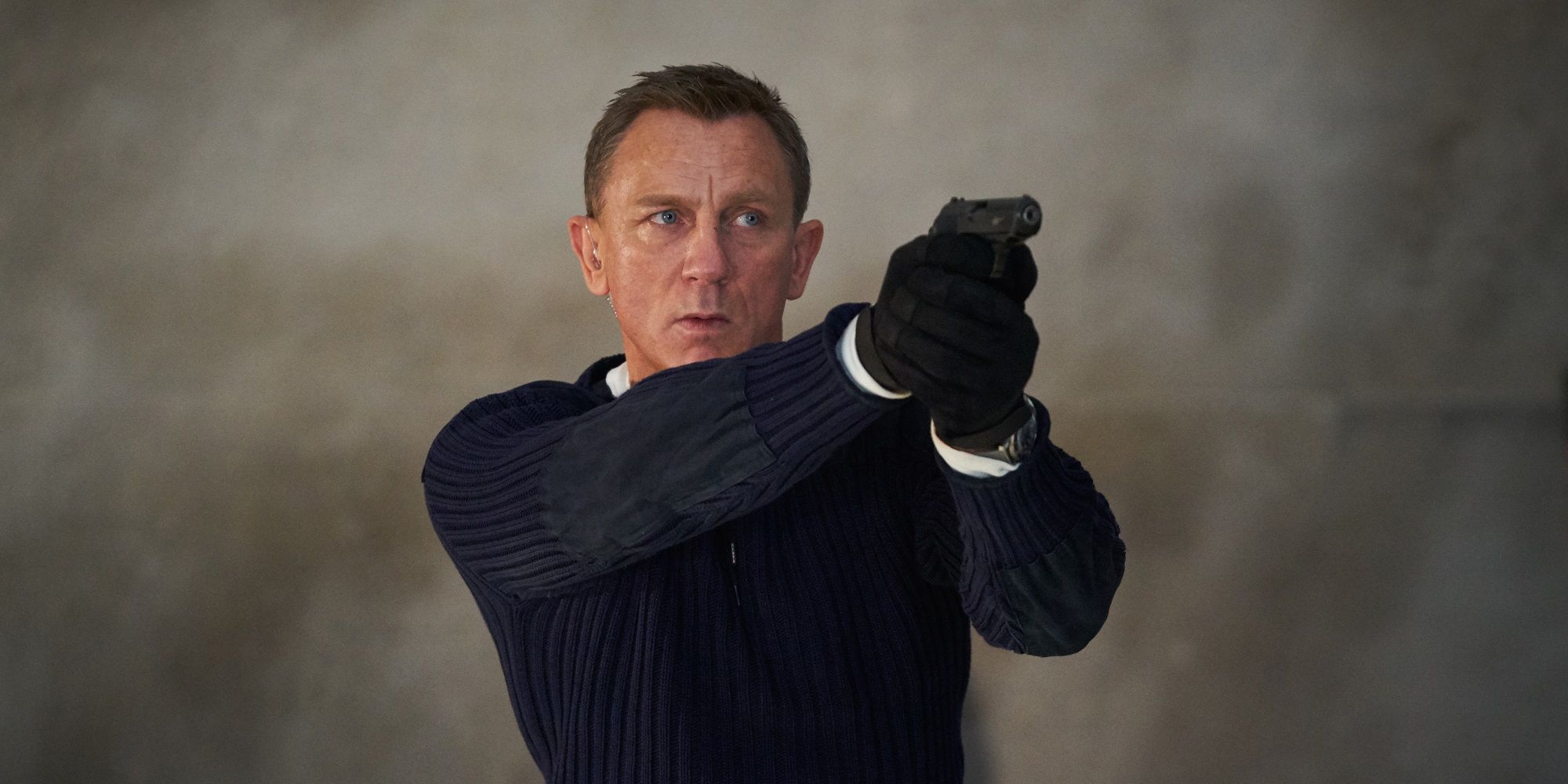
Finally premiering after numerous delays due to Covid-19, No Time to Die marks Daniel Craig’s final portrayal as the suave British spy. Since first playing the Bond character in 2006’s Casino Royale, Craig’s version has largely followed the original Bond themes and tropes, such as a smooth-talking Bond in a handsome suit. However, Craig has also deviated from the formula in a few ways, including his more serious than normal tone. Despite any changes, the myth of James Bond has still prevailed.

Related: No Time To Die Could’ve Broken A Huge Bond Record (Before The Pandemic)

The official James Bond Twitter handle tweeted a video in which the film’s composer, Zimmer, explains how he feels No Time to Die honors the James Bond myth. Speaking on the red carpet at the film’s world premiere at the Royal Albert Hall, Zimmer says that “[Bond] was always a myth,” and that “it’s not that easy” to maintain that myth. View Zimmer’s full quote on the James Bond myth below:

“It’s an extraordinary job in storytelling, in myth making. I mean Bond is not… You know, he was always a myth but to maintain that, to maintain the integrity, to maintain the commitment to this and to constantly reinvent. It’s not that easy. Trust me, I know!”

No Time to Die is the 25th film entry in the James Bond franchise, which means Bond has seen many iterations since his first portrayal in 1962’s Dr. No featuring Sean Connery as the first M16 agent. Since then, actors and directors have largely added to the Bond myth, including iconic catchphrases (such as “Shaken, not stirred”) and an ever-evolving musical score. While Zimmer says the new film honors the Bond myth, No Time to Die is still looking to shake up the mythology a little bit. For example, the upcoming movie features returning characters, such as Madeleine and Moneypenny (Naomie Harris), as well as the film introducing two female agents in Nomi (Lashana Lynch) and Paloma (Ana de Armas).

The James Bond character has always been a smooth, handsome superspy in a nice suit. While different actors throughout the years have added their own flair to the character, the Bond myth has been largely preserved. Although Craig’s upcoming portrayal plans on shaking up the mythology, fans can rest assured knowing No Time to Die not only reinvents the franchise, but also honors it as well.

Next: GoldenEye Saved James Bond’s Aston Martin (And Proved Better Than Brosnan’s Cars)

Source: James Bond

Listen to Eminem team up with Skylar Grey, Polo G and Mozzy for new ‘Venom 2’ song

eminem

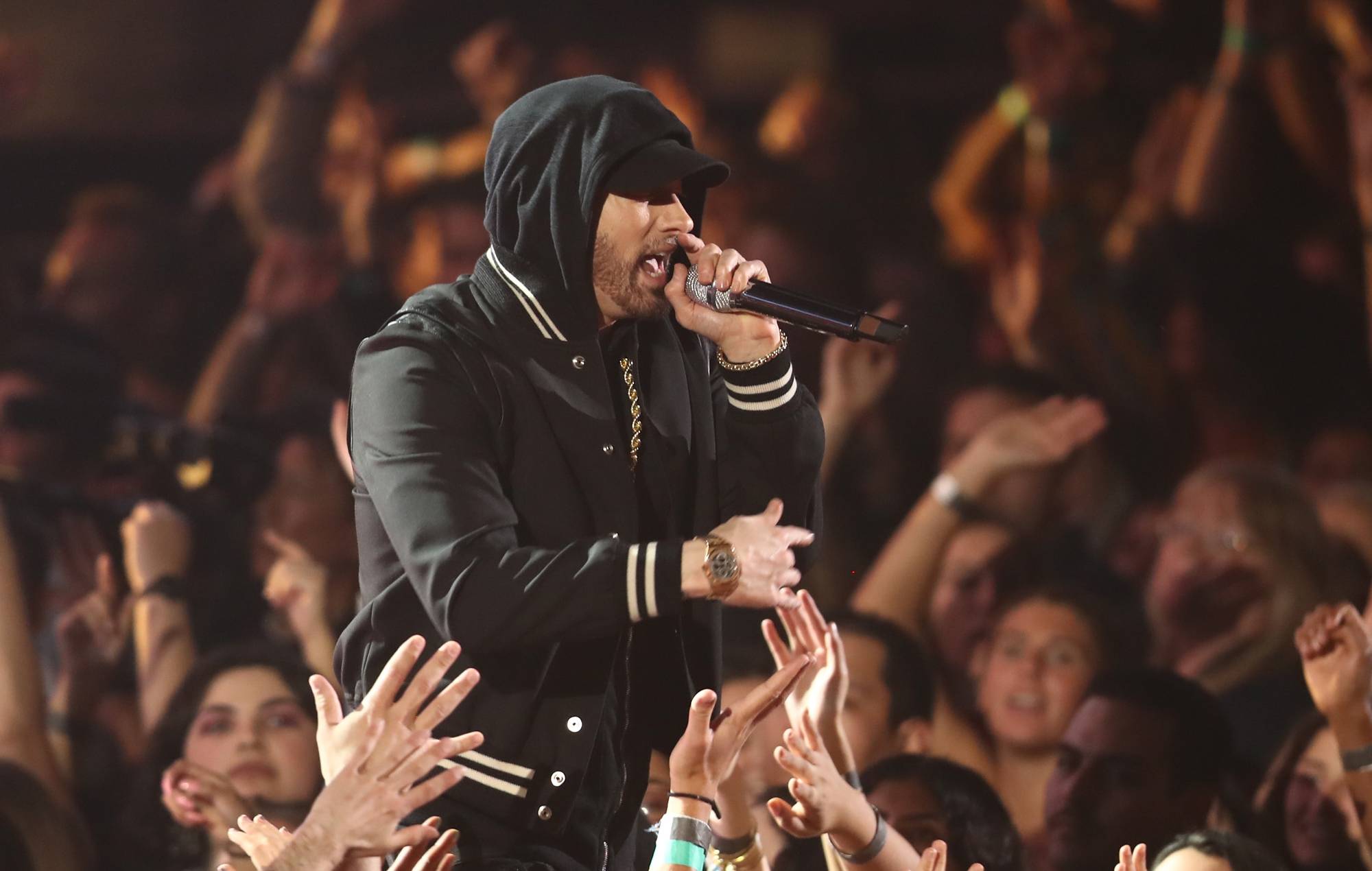
Eminem‘s new song with Skylar Grey – which also features Polo G and Mozzy – for the Venom 2 soundtrack has been released – you can listen to ‘Last One Standing’ below.

The track will feature in the upcoming Marvel Comics film Venom: Let There Be Carnage, the sequel to the Tom Hardy-starring Venom of 2018.

  • READ MORE: Eminem’s ‘Music To Be Murdered By – Side B’: the big talking points

After being teased by the rapper yesterday (September 29), Eminem’s feature on ‘Last One Standing’ has now been released.

The Skylar Grey track also features Polo G and Mozzy, with Grey saying of the song: “Over the past year I’ve been very selective about the projects I work on, outside of working on my album. I’ve really been putting focus on finding the right collaborations and the right film/TV projects. The way this song came together was kind of the perfect storm.”

Grey added: “Venom is one of my favourite superheroes because he’s an antihero and I relate to that. Also Tom Hardy is one of my favourite actors. So I’m honoured to be a part of this.”

Eminem previously contributed his ‘Kamikaze’ track ‘Venom’ to the 2018 film of the same name.


Yesterday saw Eminem opening a new pop-up diner called Mom’s Spaghetti in his native Detroit.

The name of the restaurant was inspired by the lyrics from his 2002 hit ‘Lose Yourself’, which featured on the 8 Mile soundtrack: “His palms are sweaty, knees weak, arms are heavy / There’s vomit on his sweater already, mom’s spaghetti.”

The post Listen to Eminem team up with Skylar Grey, Polo G and Mozzy for new ‘Venom 2’ song appeared first on NME.

Phoebe Bridgers sued for £2.8million by music producer alleging defamation

Phoebe Bridgers

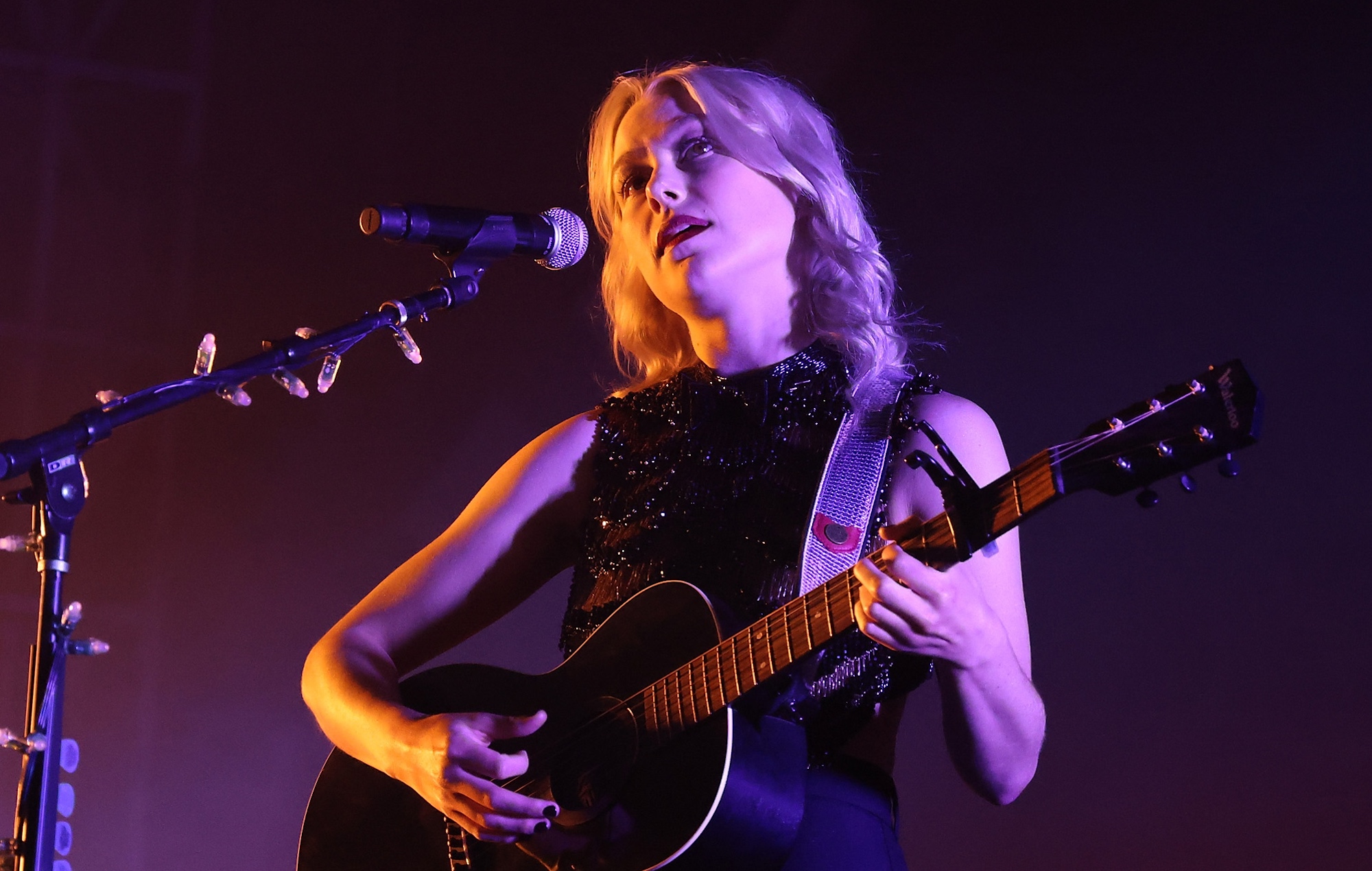
Phoebe Bridgers is being sued for defamation by record producer Chris Nelson of Sound Space Studios, who claims the singer falsely accused him of abusive behaviour in October last year.

The Los Angeles producer – who is not credited as having worked professionally with Bridgers – is seeking $3.8million (£2.8million) in damages from the singer-songwriter. He claims Bridgers “intentionally used her high-profile public platform on Instagram to publish false and defamatory statements” about Nelson “in order to destroy his reputation”.

NME has reached out to Bridgers’ publicists for comment.

As People reports, the lawsuit, filed in Los Angeles County Superior Court, claims that Nelson and his then-girlfriend Emily Bannon “began having consensual sexual encounters” with Bridgers in 2018. According to Nelson, he and Bannon broke up in fall 2019, but Bridgers and Bannon continued their relationship.

It’s alleged that in October 2020, Bridgers wrote on Instagram that she had “witnessed and can personally verify much of the abuse (grooming, stealing, violence) perpetuated by Chris Nelson”. Nelson has categorised these comments as “false and misleading statements”.

Bridgers allegedly pointed her followers to Bannon’s own account, where Bannon accused Nelson of “racially motivated hate crimes” that included “[beating] a young Latinx man to death”. Bannon is also said to have accused Nelson of hacking women’s email accounts and fraudulent activity.

According to Nelson’s lawsuit, these claims were made “maliciously and intentionally” and as part of a “vendetta” that Bridgers and Bannon had against him. Nelson filed a similar lawsuit against Bannon in December last year, also accusing her of defamation.


As Pitchfork notes, Nelson also filed a lawsuit against musician, actress and director Noël Wells in December last year.

Nelson, who worked with Wells on her 2019 debut album ‘It’s So Nice!’, is also accusing the musician of defamation, saying that she told an artist manager with whom Nelson had a working relationship that he had committed “an ‘incredibly predatory move on [her]’” and exhibited ‘incredibly predatory behavior… toward young females including young female musicians’”.

The post Phoebe Bridgers sued for £2.8million by music producer alleging defamation appeared first on NME.

UK grassroots music venues are facing £90million of debt

Fans at IDLES gig. (Photo by Visionhaus/Corbis via Getty Images)

The UK’s grassroots music venues are facing £90million of debt due to the spiralling costs incurred by the coronavirus pandemic and being shut during lockdown.

  • READ MORE Get £10 off Fightback Lager and help save UK music venues

It has been a tumultuous 18 months for grassroots music venues across the UK. At the start of the pandemic last March, there was the very real threat of over 500 venues facing closure. However, the vast majority have been saved thanks to public support and donations to the Music Venue Trust’s #SaveOurVenues campaign, along with pressure being put on the government and a number being saved by the Cultural Recovery Fund.

Despite the MVT’s largely successful efforts to “reopen every venue safely” with the hard work of people on the ground, it now seems that many venues remain in a difficult financial situation.

“The grassroots music venue sector is more than £90million in debt,” MVT CEO Mark Davyd told NME. “Getting that paid off isn’t going to be done this year, it likely won’t be done next year and might not be until 2024 or 2025 if things keep going as they are.

“The average debt they’re emerging with is around £80,000-£120,000 per venue – some are in much more significant debt than that.”

Music Venue Trust launches Save Our Venues Red Alert campaign

Davyd said that these debts were down to “landlords, suppliers, services and money that’s owed within their supply chain,” and that the best response would be for music fans to return to venues when they feel ready. He went on to praise venues’ efforts for making their spaces more COVID-safe, and for fans for taking precautionary measures – with around 95 per cent of gig-goers surveyed either being double vaccinated, having taken a COVID test before a show or having proof of immunity.

“Venues took on a lot of work and effort to try and understand what they should do to make their spaces safe, and then they went out and did it,” Davyd told NME. “The facts are that case numbers were rising significantly and very, very high – right up until the ‘freedom day’ of July 19. Venues then opened on July 19 and, in the following six weeks, case rates went down week on week.

“The most surprising statistic of all is that they went down by 29 per cent across the country, but of the 100 grassroots music venues that we tracked in different locations it went down by 38 per cent in the locality of those venues.”

He continued: “If you like science and believe in correlation rather than causality, you could argue that if you want to reduce transmission rates then you should open more grassroots music venues. The proof is in the evidence and the fact that grassroots music venues have contributed very little to the rise in transmissions. They’ve really managed this very well with air filtration, air quality, risk management and by working incredibly hard.”

Husky Loops performing live on stage at The Lexington in London. Credit: Roger Garfield/Alamy Live News

Davyd said that the best way to help venues through this period was to get back to shows, and to take a test and stay safe before doing do.

“One of the key messages of our #TakeATest campaign is that the artists, the crew, the bar and venue staff are all taking a test to make sure these shows can go ahead,” he said. “It’s only reasonable for them to expect the audience to do the same thing. Tests are free, you can get them easily from an NHS website, it takes minutes of your time and I can’t think of any reason why anyone wouldn’t do that if they want to go and see a band that they love.”

He went on: “The number one thing that people can do is go out there, go and see a show, put your money in a venue, because they know how to use it best to recover from this. If everyone who cares about live music went to one extra grassroots show a month it would completely revolutionise the economics of this sector. Just go and take a chance on something you haven’t seen before, fill up those gigs that are currently half full.”

Davyd added: “If anyone’s feeling a bit vulnerable or not quite confident enough to get back out there, there are plenty of opportunities to go and see some live bands on a Tuesday night in somewhere like Bromsgrove with about 30 people, and you can practice your own social distancing and look after yourself. Not every gig is sold out and there are plenty of different ways to see a live band in a way that feels safe for you.”

Speaking to NME at the end of last year, Davyd put the saviour of UK music venues down to “people power”.

“When we look at where donations are coming from and when they spike, it is very closely linked to the coverage we receive from the NME,” said Davyd. “What that means is that NME readers are taking action and making a huge difference to keep these venues alive. We want to make it incredibly clear to the NME and its readers that the Music Venue Trust are merely standing in front of the work done by the public, by artists and by good Samaritans.”


He continued: “This is the result of people power. When Music Venue Trust and NME were first talking about this crisis in March [2020], we were looking at the very real closure of 500 venues. It’s quite an astonishing achievement, and it belongs as much to the writers and readers of the NME as anyone.”

Visit here for information on how to help or donate the #SaveOurVenues campaign.

Meanwhile, NME will act as media partner at this year’s Venues Day presented by the Music Venue Trust next week – which, for the first time, will be a ‘Hybrid’ celebration to bring together the national and international communities. Visit here for tickets and more information.

The post UK grassroots music venues are facing £90million of debt appeared first on NME.