Anne at 13,000 Feet

In jobs that primarily entail wrangling gaggles of unruly toddlers, the pearl of advice often imparted is to “be childlike, not childish.” Anne (Deragh Campbell, no longer Canada’s best-kept acting secret), the cyclone of arrested development whirling at the centre of Kazik Radwanski’s exacting new character study, has been having trouble with that distinction.

At the daycare where she’s supposed to be helping maintain a friendly sense of order, her immaturity makes her an ideal playmate for the kids and a frustrating coworker for her fellow adults. Her sense of innocent wonder comes in handy when gingerly handling butterflies with the little ones, but behaving like a 10-year-old stuck in the body of a woman creates friction with the sticklers in management. By the time she responds to a reminder that hot beverages aren’t allowed under safety regulations by whipping her cup at another employee, there’s no ignoring that she may not be cut out for the grown-up world.

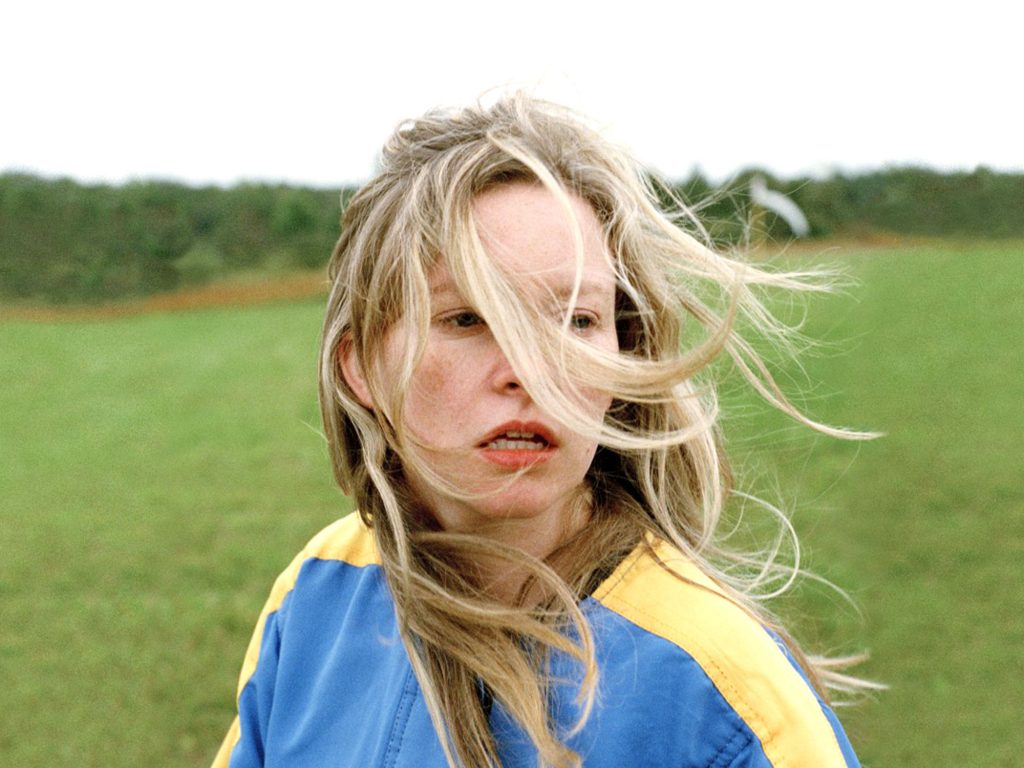
Radwanski places her at odds with a society that can’t make sense of her awkward presence, self-involved choices, or antagonistic streak – though he puts in the effort to do so. The trembling close-ups in which he shoots Campbell’s reserved yet expressive face offer the first signal that she’s under just as much mental strain as she causes anyone else, if not more.

While the film shies away from any specific psychological language, it’s evident that some manner of neurodivergence fills daily life with difficulties for Anne. (Her mother, in the patient yet borderline exasperated tone of voice reserved for loved ones in serious need, obliquely mentions a past clinic stay.) Radwanski and cinematographer Nikolay Michaylov reproduce her pressurised headspace with their claustrophobic camerawork, in harmony with Ajla Odobasic’s disorienting editing schemes that cross-cut scenes within one another and ditch transitions easing the viewer along. The overwhelming sensation that may result, and the distress that comes with it, amounts to a vicarious experience of taxing empathy.

That’s more than she can expect from most of the people in her orbit, each of whom finds their own limit of how much Anne they can take. She has a meet-drunk with a well-meaning guy (Matt Johnson, cult-favourite creator of Operation Avalanche and Nirvana the Band the Show) at a friend’s wedding, only to show up at his flat unannounced and bring him to meet her family unannounced. In his gradual shying-away, a lamentable inverse proportionality comes into focus: the more desperately Anne needs help, the less inclined others are to go through the labor of providing it.

She finds inner peace only while tumbling through the air skydiving, suggesting that her acting out stems from a lack of stimulation in the dull responsibilities of adulthood. Whenever she gets a rise out of someone else and they begin to push back, she hides behind the shame-faced schoolchild’s excuse that it was just a joke. “Joke” may not be the mot juste, but she’s being honest that her desire was simply to enliven the fidgety tedium. The compassion she earns, as in the excruciating passage that sees her regale some rugrats with the story of her cat’s descent into madness and death, tempers our relation to the aggravation she prompts.

Campbell’s fearlessness, in both her abrasion and the fragile humanity behind her chaos, helps strike this delicate balance. To lean into everything alienating about Anne, and then to locate the deeper personhood independent of it – the difference between what she does, and who she is – requires a tremendous leap of faith. And unlike her character, she didn’t have a parachute.


ANTICIPATION.

Kazik Radwanski is well-regarded around Toronto, and little-known elsewhere.
3

ENJOYMENT.

A nerve-shredding gamut of stress and discomfort…
4

IN RETROSPECT.


…that’s all a means to productive, worthy ends.

4


Directed by


Kazik Radwanski

Starring


Tiffany Blom,


Deragh Campbell,


Matt Johnson

The post Anne at 13,000 Feet appeared first on Little White Lies.
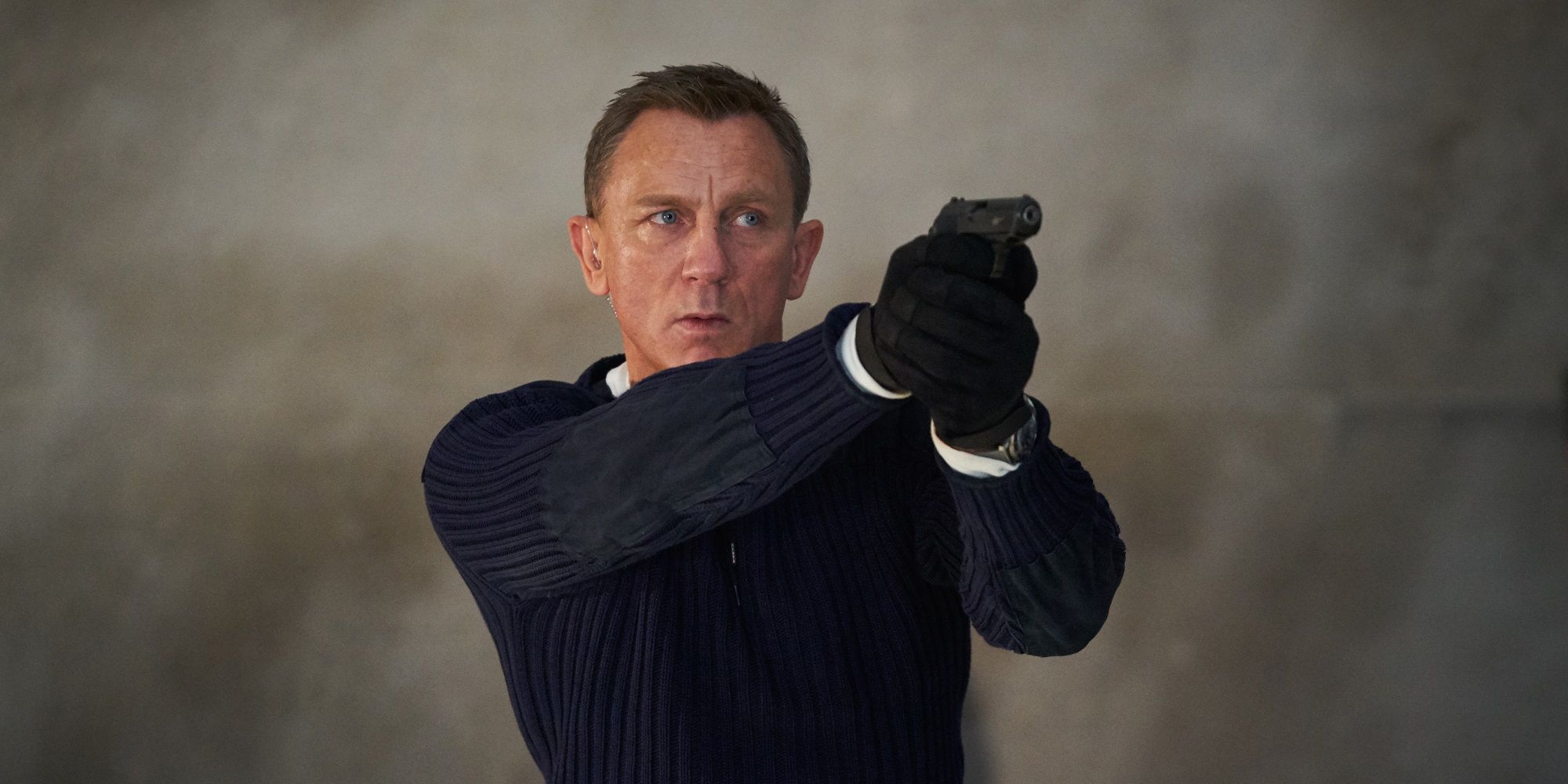
No Time to Die Honors James Bond Myth, Says Composer Hans Zimmer

Legendary composer Hans Zimmer says that No Time to Die honors the James Bond Myth. In the last thirty years, Zimmer has composed scores for many big budget films, including The Dark Knight, Pirates of the Caribbean, and The Lion King (for which he won an Academy Award in 1995). The eleven time Oscar nominee recently took over as composer for the upcoming James Bond flick set to release on October 8.

Finally premiering after numerous delays due to Covid-19, No Time to Die marks Daniel Craig’s final portrayal as the suave British spy. Since first playing the Bond character in 2006’s Casino Royale, Craig’s version has largely followed the original Bond themes and tropes, such as a smooth-talking Bond in a handsome suit. However, Craig has also deviated from the formula in a few ways, including his more serious than normal tone. Despite any changes, the myth of James Bond has still prevailed.

Related: No Time To Die Could’ve Broken A Huge Bond Record (Before The Pandemic)

The official James Bond Twitter handle tweeted a video in which the film’s composer, Zimmer, explains how he feels No Time to Die honors the James Bond myth. Speaking on the red carpet at the film’s world premiere at the Royal Albert Hall, Zimmer says that “[Bond] was always a myth,” and that “it’s not that easy” to maintain that myth. View Zimmer’s full quote on the James Bond myth below:

“It’s an extraordinary job in storytelling, in myth making. I mean Bond is not… You know, he was always a myth but to maintain that, to maintain the integrity, to maintain the commitment to this and to constantly reinvent. It’s not that easy. Trust me, I know!”

No Time to Die is the 25th film entry in the James Bond franchise, which means Bond has seen many iterations since his first portrayal in 1962’s Dr. No featuring Sean Connery as the first M16 agent. Since then, actors and directors have largely added to the Bond myth, including iconic catchphrases (such as “Shaken, not stirred”) and an ever-evolving musical score. While Zimmer says the new film honors the Bond myth, No Time to Die is still looking to shake up the mythology a little bit. For example, the upcoming movie features returning characters, such as Madeleine and Moneypenny (Naomie Harris), as well as the film introducing two female agents in Nomi (Lashana Lynch) and Paloma (Ana de Armas).

The James Bond character has always been a smooth, handsome superspy in a nice suit. While different actors throughout the years have added their own flair to the character, the Bond myth has been largely preserved. Although Craig’s upcoming portrayal plans on shaking up the mythology, fans can rest assured knowing No Time to Die not only reinvents the franchise, but also honors it as well.

Next: GoldenEye Saved James Bond’s Aston Martin (And Proved Better Than Brosnan’s Cars)

Source: James Bond

Phoebe Bridgers sued for £2.8million by music producer alleging defamation

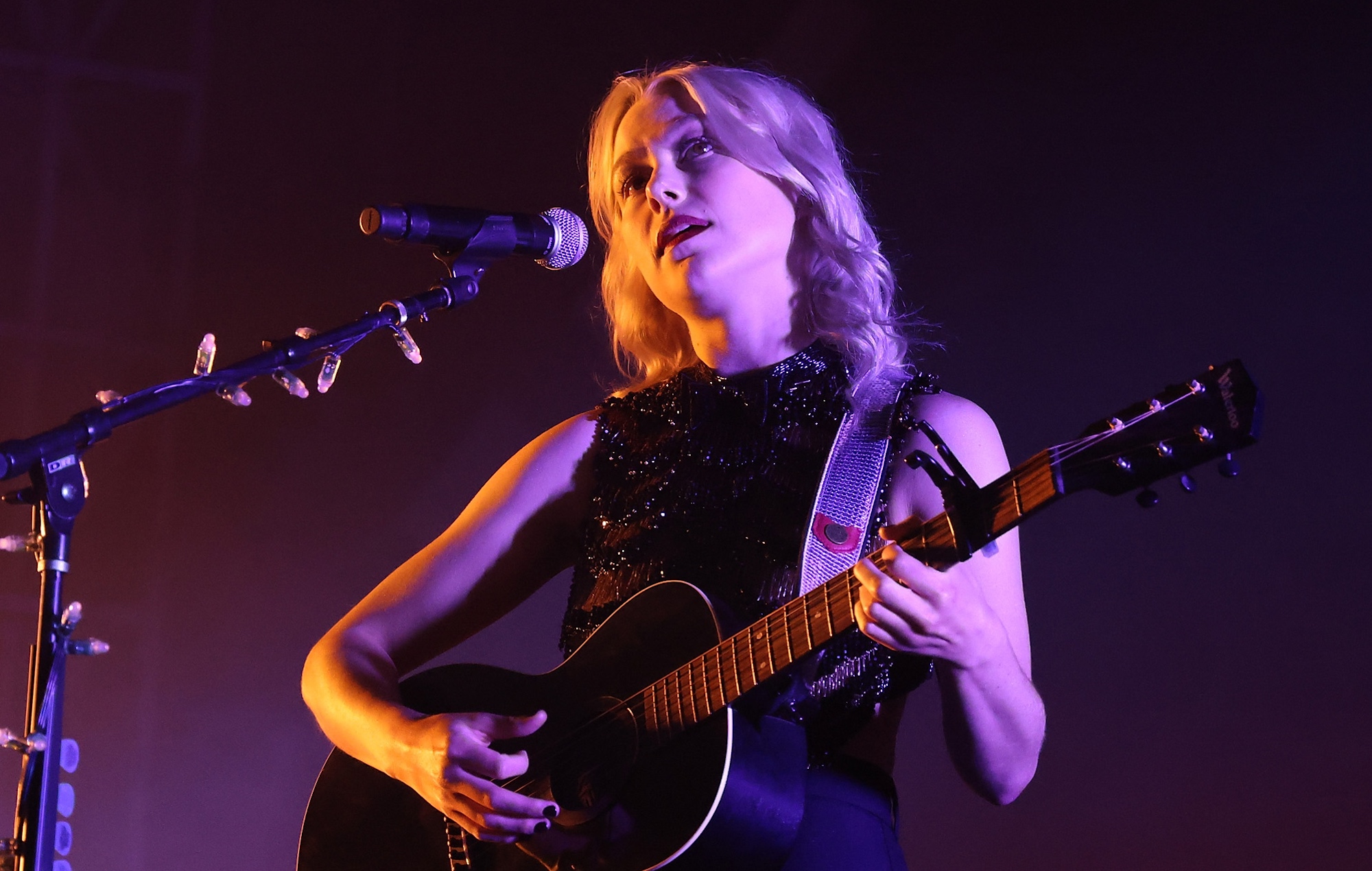
Phoebe Bridgers

Phoebe Bridgers is being sued for defamation by record producer Chris Nelson of Sound Space Studios, who claims the singer falsely accused him of abusive behaviour in October last year.

The Los Angeles producer – who is not credited as having worked professionally with Bridgers – is seeking $3.8million (£2.8million) in damages from the singer-songwriter. He claims Bridgers “intentionally used her high-profile public platform on Instagram to publish false and defamatory statements” about Nelson “in order to destroy his reputation”.

NME has reached out to Bridgers’ publicists for comment.

As People reports, the lawsuit, filed in Los Angeles County Superior Court, claims that Nelson and his then-girlfriend Emily Bannon “began having consensual sexual encounters” with Bridgers in 2018. According to Nelson, he and Bannon broke up in fall 2019, but Bridgers and Bannon continued their relationship.

It’s alleged that in October 2020, Bridgers wrote on Instagram that she had “witnessed and can personally verify much of the abuse (grooming, stealing, violence) perpetuated by Chris Nelson”. Nelson has categorised these comments as “false and misleading statements”.

Bridgers allegedly pointed her followers to Bannon’s own account, where Bannon accused Nelson of “racially motivated hate crimes” that included “[beating] a young Latinx man to death”. Bannon is also said to have accused Nelson of hacking women’s email accounts and fraudulent activity.

According to Nelson’s lawsuit, these claims were made “maliciously and intentionally” and as part of a “vendetta” that Bridgers and Bannon had against him. Nelson filed a similar lawsuit against Bannon in December last year, also accusing her of defamation.


As Pitchfork notes, Nelson also filed a lawsuit against musician, actress and director Noël Wells in December last year.

Nelson, who worked with Wells on her 2019 debut album ‘It’s So Nice!’, is also accusing the musician of defamation, saying that she told an artist manager with whom Nelson had a working relationship that he had committed “an ‘incredibly predatory move on [her]’” and exhibited ‘incredibly predatory behavior… toward young females including young female musicians’”.

The post Phoebe Bridgers sued for £2.8million by music producer alleging defamation appeared first on NME.

Listen to Eminem team up with Skylar Grey, Polo G and Mozzy for new ‘Venom 2’ song

eminem

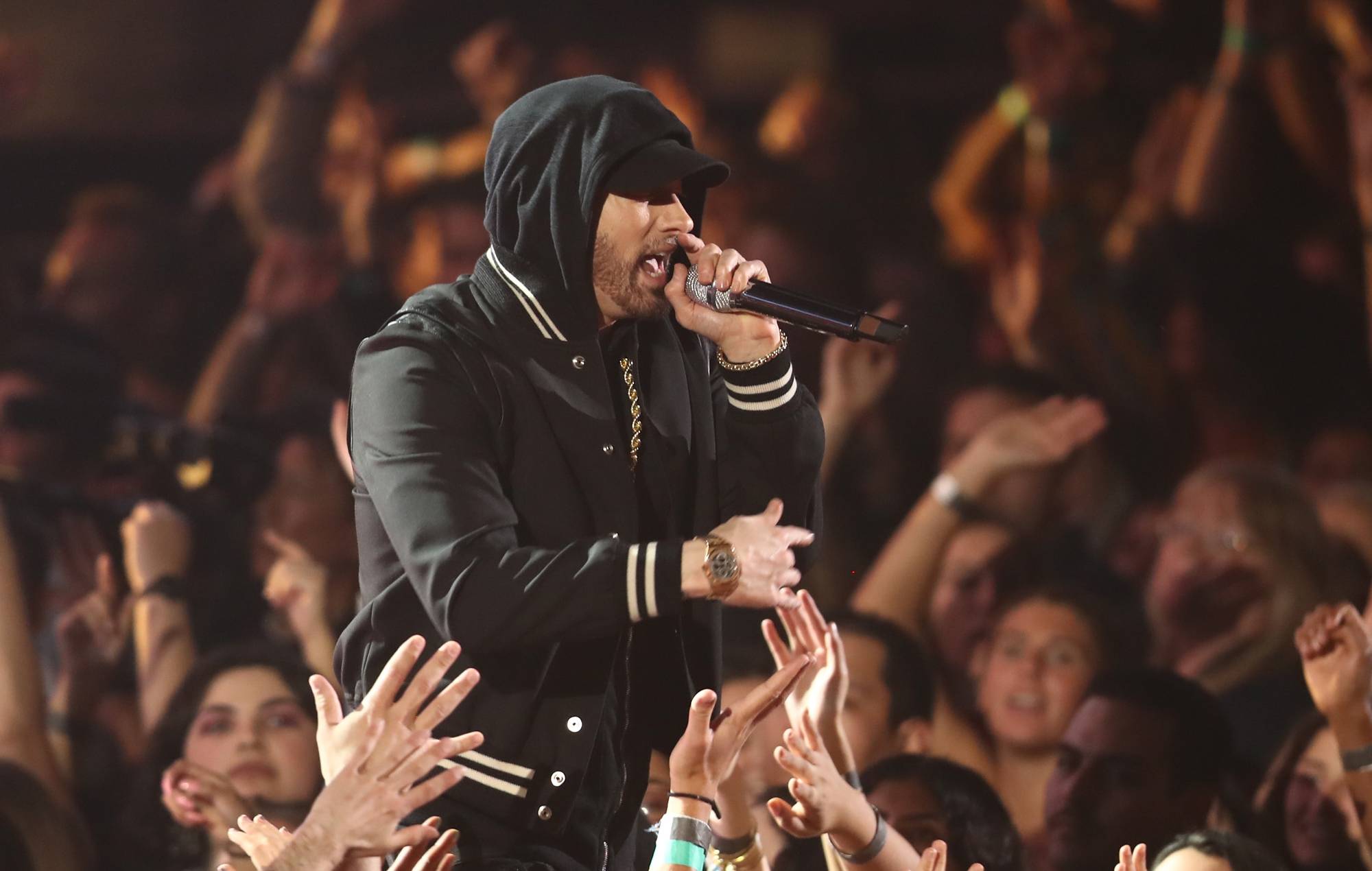
Eminem‘s new song with Skylar Grey – which also features Polo G and Mozzy – for the Venom 2 soundtrack has been released – you can listen to ‘Last One Standing’ below.

The track will feature in the upcoming Marvel Comics film Venom: Let There Be Carnage, the sequel to the Tom Hardy-starring Venom of 2018.

  • READ MORE: Eminem’s ‘Music To Be Murdered By – Side B’: the big talking points

After being teased by the rapper yesterday (September 29), Eminem’s feature on ‘Last One Standing’ has now been released.

The Skylar Grey track also features Polo G and Mozzy, with Grey saying of the song: “Over the past year I’ve been very selective about the projects I work on, outside of working on my album. I’ve really been putting focus on finding the right collaborations and the right film/TV projects. The way this song came together was kind of the perfect storm.”

Grey added: “Venom is one of my favourite superheroes because he’s an antihero and I relate to that. Also Tom Hardy is one of my favourite actors. So I’m honoured to be a part of this.”

Eminem previously contributed his ‘Kamikaze’ track ‘Venom’ to the 2018 film of the same name.


Yesterday saw Eminem opening a new pop-up diner called Mom’s Spaghetti in his native Detroit.

The name of the restaurant was inspired by the lyrics from his 2002 hit ‘Lose Yourself’, which featured on the 8 Mile soundtrack: “His palms are sweaty, knees weak, arms are heavy / There’s vomit on his sweater already, mom’s spaghetti.”

The post Listen to Eminem team up with Skylar Grey, Polo G and Mozzy for new ‘Venom 2’ song appeared first on NME.

UK grassroots music venues are facing £90million of debt

Fans at IDLES gig. (Photo by Visionhaus/Corbis via Getty Images)

The UK’s grassroots music venues are facing £90million of debt due to the spiralling costs incurred by the coronavirus pandemic and being shut during lockdown.

  • READ MORE Get £10 off Fightback Lager and help save UK music venues

It has been a tumultuous 18 months for grassroots music venues across the UK. At the start of the pandemic last March, there was the very real threat of over 500 venues facing closure. However, the vast majority have been saved thanks to public support and donations to the Music Venue Trust’s #SaveOurVenues campaign, along with pressure being put on the government and a number being saved by the Cultural Recovery Fund.

Despite the MVT’s largely successful efforts to “reopen every venue safely” with the hard work of people on the ground, it now seems that many venues remain in a difficult financial situation.

“The grassroots music venue sector is more than £90million in debt,” MVT CEO Mark Davyd told NME. “Getting that paid off isn’t going to be done this year, it likely won’t be done next year and might not be until 2024 or 2025 if things keep going as they are.

“The average debt they’re emerging with is around £80,000-£120,000 per venue – some are in much more significant debt than that.”

Music Venue Trust launches Save Our Venues Red Alert campaign

Davyd said that these debts were down to “landlords, suppliers, services and money that’s owed within their supply chain,” and that the best response would be for music fans to return to venues when they feel ready. He went on to praise venues’ efforts for making their spaces more COVID-safe, and for fans for taking precautionary measures – with around 95 per cent of gig-goers surveyed either being double vaccinated, having taken a COVID test before a show or having proof of immunity.

“Venues took on a lot of work and effort to try and understand what they should do to make their spaces safe, and then they went out and did it,” Davyd told NME. “The facts are that case numbers were rising significantly and very, very high – right up until the ‘freedom day’ of July 19. Venues then opened on July 19 and, in the following six weeks, case rates went down week on week.

“The most surprising statistic of all is that they went down by 29 per cent across the country, but of the 100 grassroots music venues that we tracked in different locations it went down by 38 per cent in the locality of those venues.”

He continued: “If you like science and believe in correlation rather than causality, you could argue that if you want to reduce transmission rates then you should open more grassroots music venues. The proof is in the evidence and the fact that grassroots music venues have contributed very little to the rise in transmissions. They’ve really managed this very well with air filtration, air quality, risk management and by working incredibly hard.”

Husky Loops performing live on stage at The Lexington in London. Credit: Roger Garfield/Alamy Live News

Davyd said that the best way to help venues through this period was to get back to shows, and to take a test and stay safe before doing do.

“One of the key messages of our #TakeATest campaign is that the artists, the crew, the bar and venue staff are all taking a test to make sure these shows can go ahead,” he said. “It’s only reasonable for them to expect the audience to do the same thing. Tests are free, you can get them easily from an NHS website, it takes minutes of your time and I can’t think of any reason why anyone wouldn’t do that if they want to go and see a band that they love.”

He went on: “The number one thing that people can do is go out there, go and see a show, put your money in a venue, because they know how to use it best to recover from this. If everyone who cares about live music went to one extra grassroots show a month it would completely revolutionise the economics of this sector. Just go and take a chance on something you haven’t seen before, fill up those gigs that are currently half full.”

Davyd added: “If anyone’s feeling a bit vulnerable or not quite confident enough to get back out there, there are plenty of opportunities to go and see some live bands on a Tuesday night in somewhere like Bromsgrove with about 30 people, and you can practice your own social distancing and look after yourself. Not every gig is sold out and there are plenty of different ways to see a live band in a way that feels safe for you.”

Speaking to NME at the end of last year, Davyd put the saviour of UK music venues down to “people power”.

“When we look at where donations are coming from and when they spike, it is very closely linked to the coverage we receive from the NME,” said Davyd. “What that means is that NME readers are taking action and making a huge difference to keep these venues alive. We want to make it incredibly clear to the NME and its readers that the Music Venue Trust are merely standing in front of the work done by the public, by artists and by good Samaritans.”


He continued: “This is the result of people power. When Music Venue Trust and NME were first talking about this crisis in March [2020], we were looking at the very real closure of 500 venues. It’s quite an astonishing achievement, and it belongs as much to the writers and readers of the NME as anyone.”

Visit here for information on how to help or donate the #SaveOurVenues campaign.

Meanwhile, NME will act as media partner at this year’s Venues Day presented by the Music Venue Trust next week – which, for the first time, will be a ‘Hybrid’ celebration to bring together the national and international communities. Visit here for tickets and more information.

The post UK grassroots music venues are facing £90million of debt appeared first on NME.