Potential Impacts of Reopening of the Trawl Rockfish Conservation Area

by Marissa Paulling, graduate student at the University of Washington

In the early part of the new millennium, things were not looking promising for the groundfish fishery of the West Coast. Multiple stocks had been designated overfished, and the Federal Government declared the fishery an economic disaster on Jan. 26, 2000. Too many participants were harvesting too few fish, and the future of sustainable employment for fishermen, many of whom came from coastal communities which depended on fishing, was in question.

>
I am excited to contribute to knowledge and research being done to address a local conservation challenge, and to support the fishing communities that make up so much of our West Coast fisheries.

— Marissa Paulling

To address the collapse of the groundfish fishery, catch limits for trips were created, vessel and permit buy-backs programs were created, and the trawl rockfish conservation area (RCA) closed several thousand square miles to bottom-contact gear. The Nature Conservancy played an active role in working with communities and agencies. TNC privately bought out trawl permits, which they later helped redistribute, and worked with fishermen to advance community access to the fishery while advancing technology for conservation use. Much of this work was focused along California’s Central Coast.

Photo: Marissa Paulling, graduate student at the University of Washington
Photo: Marissa Paulling, graduate student at the University of Washington

In what many managers and environmentalists are touting as one of conservation’s greatest success stories, the trawl Rockfish Conservation Area (RCA) off the coasts of Oregon and California was reopened on January 1, 2020, as described by Amendment 28 to the West Coast groundfish fisheries management plan.

Spatial closures are a frequently utilized conservation measure, and a growing body of literature describes best practices for managing closed areas or various human behavior responses to closed areas. However, there is a gap in the literature that describes human response to reopened fisheries areas. The reopened trawl RCA provides an important learning opportunity for managers, partners, and fishermen.

Using Vessel Monitoring System (VMS) data, Christina Madonia, Patrick Dodd, and I collaborated with NOAA and TNC to map vessel tracks in response to the reopening of the trawl RCA as part of our graduate research. We wanted to see how fishermen and probable fishing behavior changed between 2015-2020. We were hopeful that the first five years of vessel tracks would inform us of “normal” fishing activity, and that 2020 would exhibit notable differences. We had two hypotheses: the first involved the extent to which fishermen would use these new areas. The second hypothesis was based on our expectation that 2020 would be a year of significantly different fishing behavior.

The Port of Ilwaco, located at the mouth of the Columbia River in Ilwaco, Washington. Photo credit: © Erika Nortemann

The Port of Ilwaco, located at the mouth of the Columbia River in Ilwaco, Washington. Photo credit: © Erika Nortemann

The year 2020 was a year unlike any other, and this was representative of our findings of fishing behavior off the West Coast. COVID-19 altered vessel willingness to take an observer. Markets were disrupted, and first receivers tackled Covid outbreaks at their landings. Therefore, only the first quarter of annual fishing data was analyzed. Additionally, we observed a change in ocean productivity, as proxied by the Pacific Decadal Oscillation Index (PDO) over the course of the analysis. But fishermen returned to the reopened RCA, nonetheless.

Of the changes we observed in reopened RCA use, there was a dramatic shift of fishing pressure shoreward. This demonstrates a departure from the trend that many fishermen follow, wherein flatfish and sablefish tend to be offshore in the winter months and migrate onshore during the summer months to spawn. Rockfishes tend to show more site fidelity, not normally engaging in these seasonal onshore-offshore migrations, but rather staying close to home.

The RCA was originally a tool designed to address the overfished status of several rockfish stocks. Six of the seven rockfish stocks that the trawl RCA protected have been rebuilt since the closure, and the last of the stocks is projected to be rebuilt decades ahead of the originally forecast. However, for conservation to be used the best way possible, and to prevent rebuilt stocks from declining, managers must continue with other programs and regulations in place, including a catch shares structure and observer coverage. The Nature Conservancy continues to work closely with several California partnerships to ensure that their livelihoods are sustainable and well managed.

As a student in the Levin Lab at the University of Washington, much of the student work incorporates applying conservation practices within partnerships between shareholders and The Nature Conservancy (TNC). Understanding the history and network that TNC has assisted in creating with fishermen, especially along California’s Central Coast, gives me a great sense of pride. Not only do I trust the seafood options available to me from this region, but as a student of the University of Washington (UW), and with prior field experience with groundfish, I understand the importance of the TNC-UW partnership in fostering conservation focused on the intersection of people and nature.


Learn more about the TNC-UW Partnership

The Nooksack River: Nature of Change

by Carol Macilroy, Floodplains by Design

The long history and more recent series of events that brought us to this point are complicated. Heart-breaking and heart-warming, the history of the Nooksack River and its people shows up today in words said and unsaid, biases known and unknown, relationships formed and unformed, and possibilities for a different future tantalizingly close, but seemingly unattainable.

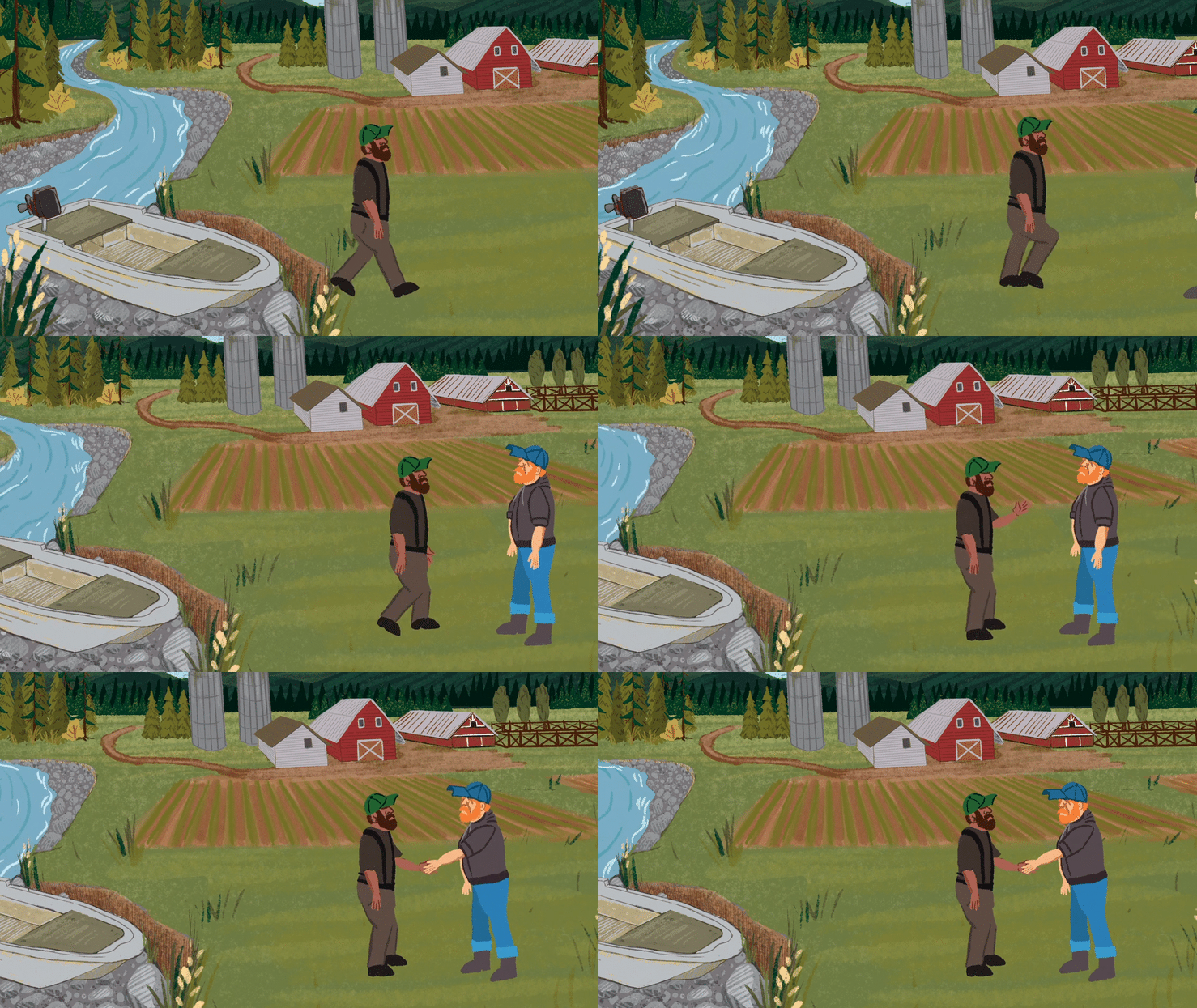
The Nooksack River_ Nature of Change-high (7).gif

In the midst of a pandemic and at the start of a potentially divisive water adjudication that was stalling our collaborative work to develop a plan that supported salmon recovery, maintained farm viability and reduced flood risk, a cheery call from Courtney at The Nature Conservancy came. “Do you want to create an animated video to tell the story of the Nooksack floodplain and the effort to bridge across salmon, farms and flood management to shape a better future?” No one was in the mood. No one thought it would be useful.

But it was.

People skipped out of meetings to instead review storyboards. They turned around comments on a dime, and smiled enthusiastically about the video as it began to take shape. Our little collaborative planning team, now fighting for survival but on opposite sides in a water adjudication battle, hung together to create something beautiful, something inspiring. Our team did it together.

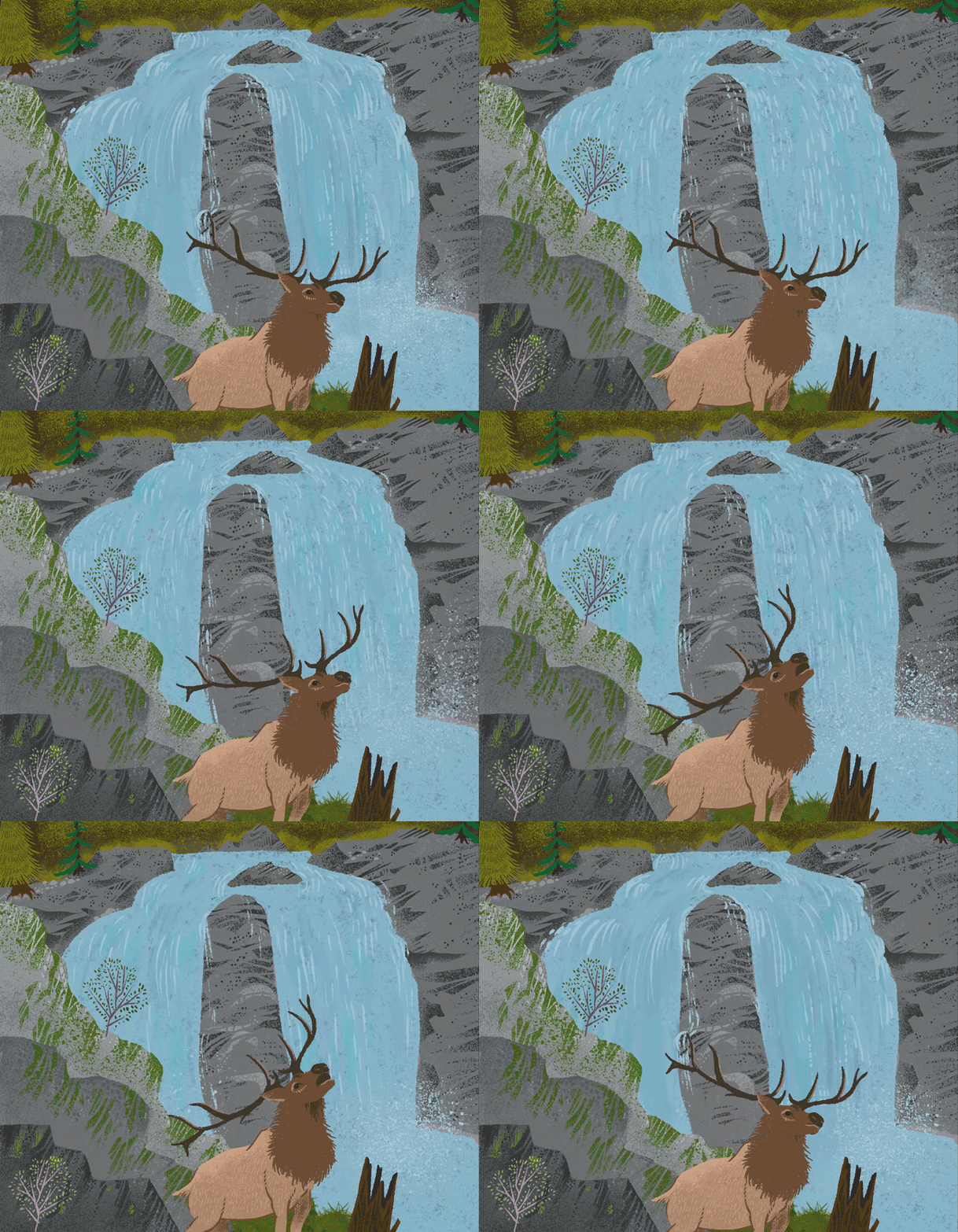
ELK_loop.gif

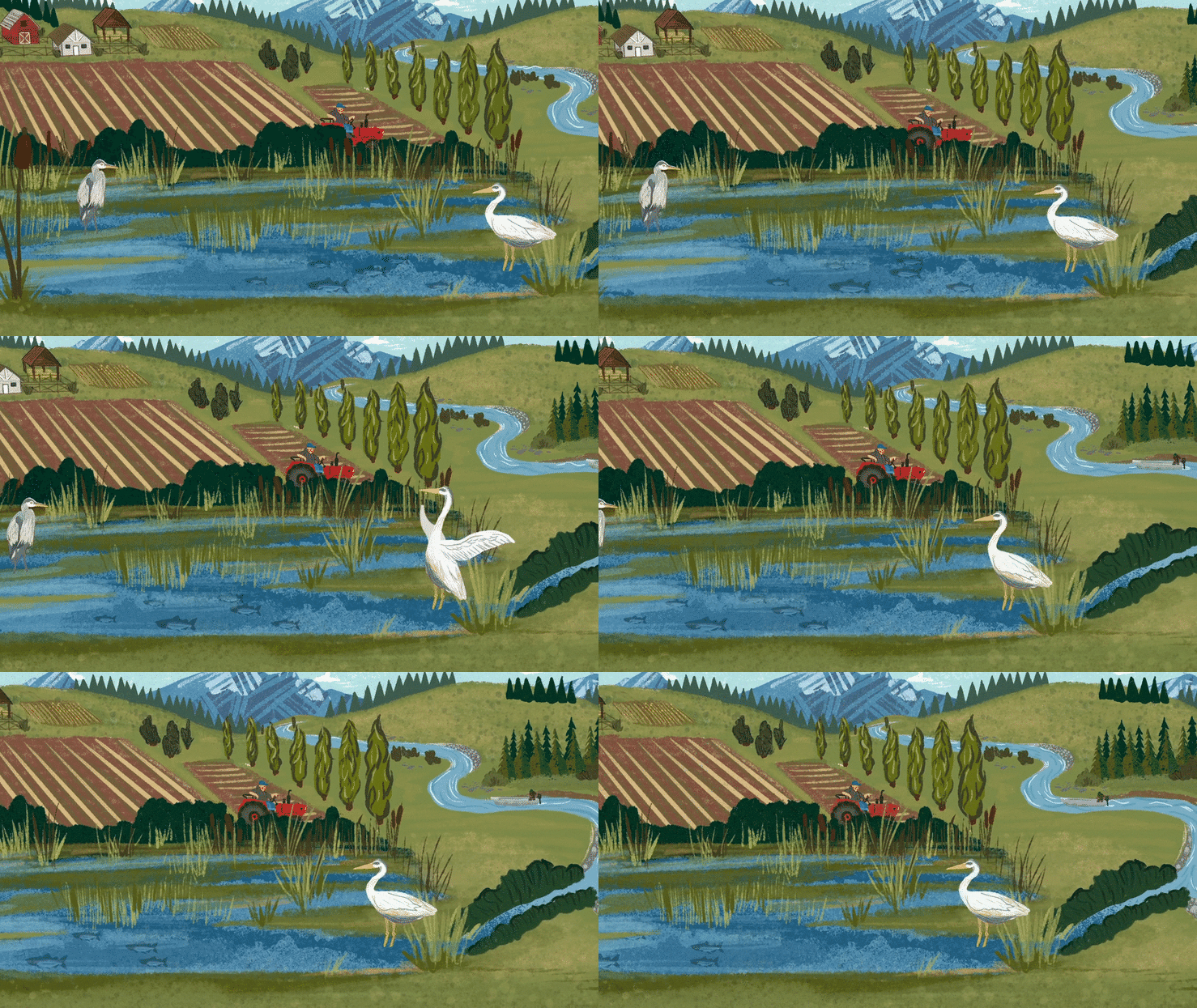
“Farmers are not caricatures. No Whatcom County farmer dresses like that. The farm buildings don’t look like that. We have cows, not sheep,” said the farm representative. “There need to be trees. Before they were cut, the landscape had trees. Bigger trees, please.

And, by the way, no salmon has striped adipose fins,” said the tribal staff person.

“Rocks that we drop for armoring are angular, you have put river rock in places that should be angular armoring rock. There is no armoring on the inside of a river bend. Our machines no longer dig in the water like that,” said the flood engineer.

With every detail heard and listened to and then redrawn, the actual people and what they care deeply about began to take shape. The history and issues came forward in drawings with beautiful colors of greens, blues, reds and yellows. We all learned things. We all saw new things.

The Nooksack River_ Nature of Change-high (6).gif

“This is not all the farmers’ fault,” said a tribal staff person and the farm representative on separate calls in the same week.

“We have no fish. We barely have any fishermen left,” said the tribal staff person.

“We are afraid we will lose everything,” said the farm representative.

“We have already lost everything,” said the tribal staff person.

And through working and reworking, drawing and redrawing, a common story of the Nooksack began to take shape. It was told by the river, because in and through the river, our team began to be seen by themselves and each other. And what came forth was resilient and hopeful. Again.

Watch “The Nooksack River: Nature of Change” below!


Rowing to Yellow Island

Story and Photos by Matt Axling, Yellow Island Steward

I am a terrible swimmer. I sink straight to the bottom of the pool. I avoided swimming lessons my entire life. When I smell the chlorine at my son’s swim lessons, my palms sweat. With all of these factors, it is ironic that I have spent so much of my life on the water.

I am a mediocre biker. What I lack in talent I make up for with effort and silly biking socks. I really love biking to work. The morning commute has put me in a great state of mind as I arrived at various past jobs. And an uphill ride back to my house helps me leave my workday behind and be present for my family when I arrive home. I first started biking to work in Seattle in 1993 when I worked a summer job at a cherry processing factory in Georgetown. Nobody was riding their bikes around Seattle at the time. There were no bike lanes or established bike routes. My shortcuts included cutting through the Kingdome parking lot and the SoDo rail yard. I was hooked.

After accepting the position as steward for Yellow Island for The Nature Conservancy, my bike commuting has taken a back seat. In no way can I complain about my current work commute. I hop in the trusty Yellow Island boat in Friday Harbor, and zip out to Yellow Island in 25 minutes. Traffic consists of pods of orcas blocking my route and the only time I am forced to slow down is when the wind is blowing.

Yellow Island sits in San Juan Channel. 85% of the time, the weather is cooperative and the trip to Yellow is uneventful. The other 15% of the time, you don’t want to be on the water.

Orca cruises past the Yellow Island cabin that is occasional home to island steward Matt Axling.

Orca cruises past the Yellow Island cabin that is occasional home to island steward Matt Axling.

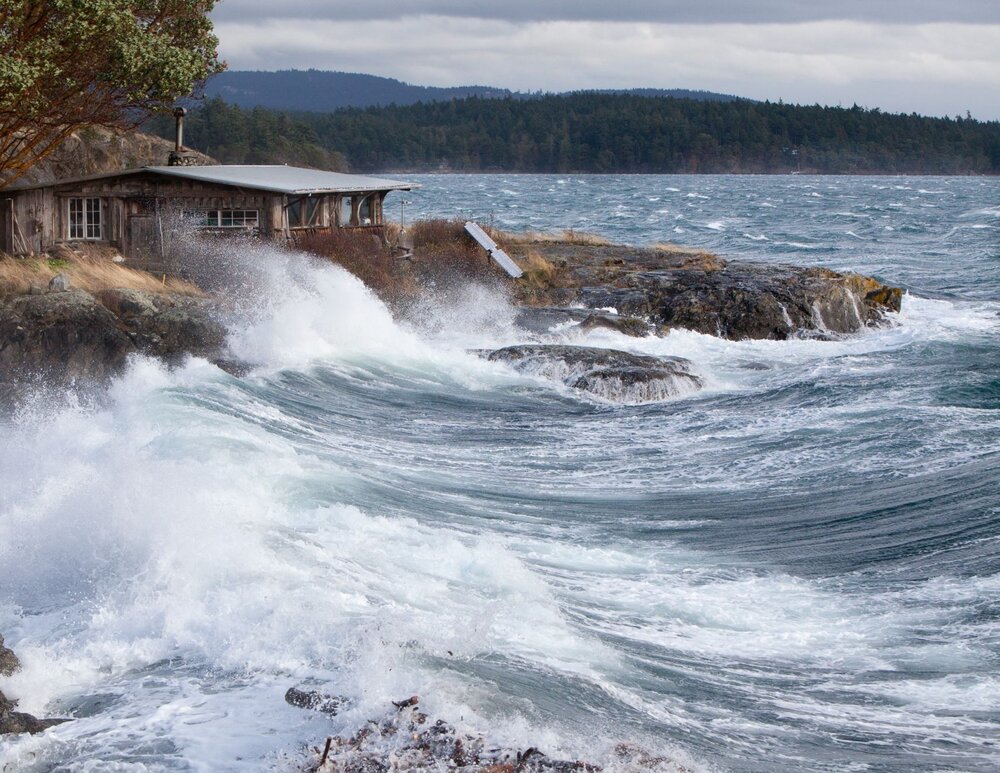
Yellow Island cabin amidst the storm.

Yellow Island cabin amidst the storm.

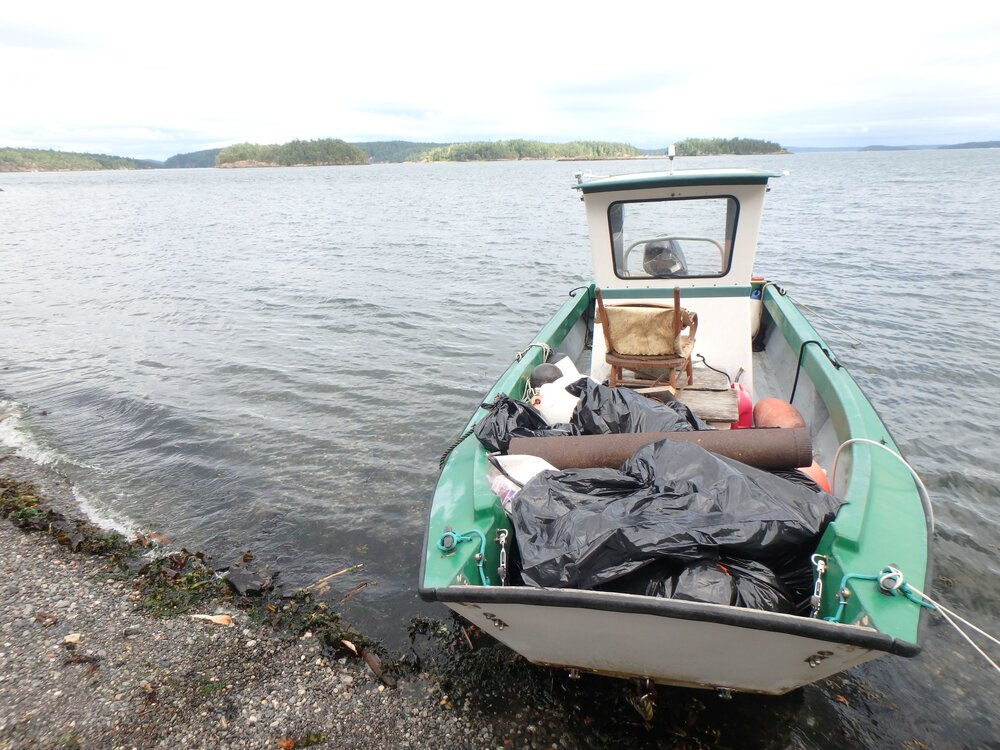
The Yellow Island boat was built in the late 1980s in Anacortes. It is a fiberglass landing craft that is good for hauling trash, tools, or people. It has dutifully sat in the water for close to 30 years as various caretakers have navigated their way to and from the island. The boat is powered by an 85hp Tohatsu outboard engine. The engine was purchased on the same day that I was hired four years ago. Since that time, I have put 300 hours of travel time on the engine.

The Yellow Island boat tied up on the shore.

The Yellow Island boat tied up on the shore.

I am very conscious about my boat usage and that 85hp engine has often given me pause. It is easy to see how a motorboat can have an adverse impact on the marine environment. Outboard boat engines are not known for their fuel efficiency. Also a boat traveling through the water at 20 knots and emitting a roar so loud that I wear ear protection are other factors which can impact marine mammals, birds and fish. At times, that engine has seemed incongruous with our mission.

May was Bike to Work Month. This was our second straight Bike to Work Month where we did not participate in bike to work due to COVID. So, in an effort to align my commute with TNC’s mission, to get a little exercise, and to have a spring project to focus on, I decided that May 2021 should be “Row to Work Month.”

THe Right boat

The waters around Yellow Island can be a little dicey. While San Juan Island offers some shelter to Yellow Island from the seasonal SW wind blowing in from the Straits of Juan de Fuca, the currents and wind dynamics of San Juan Channel can be tricky. Kayaking to Yellow Island is something that should only be done under perfect conditions, and if I was going to power myself to Yellow for an entire month, I was going to need a bigger boat.

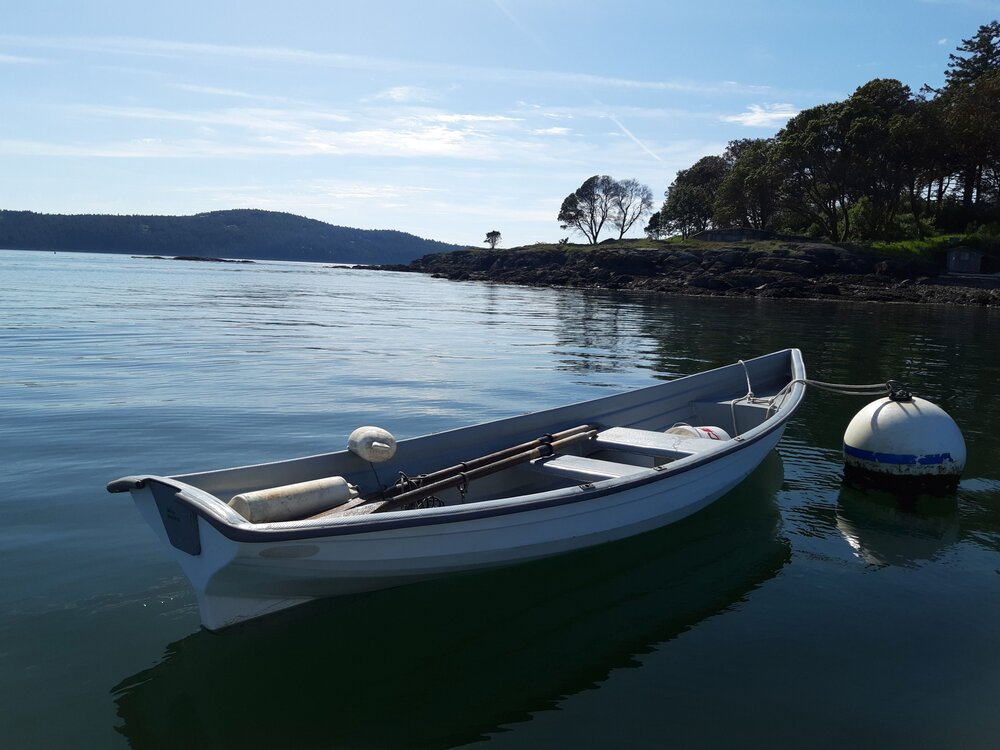
My mother and uncle were kids who grew up in Ballard. Like most Norwegian immigrants, they have boating in their blood and various derelict boats in their driveways. My mom owns a 14-foot Whitehall rowboat built by Gig Harbor Boatworks. This model boat rows like a dream and is used as an open water rowboat by people traveling through the Inside Passage. The boat was rebuilt by my uncle a few years ago. I hadn’t seen either of them in over a year due to COVID. I scheduled my COVID shot for late April in their hometown as an excuse to go pick up the boat. As I was leaving with the boat in tow, my mom came running out of the house waving a small object and yelling “DON’T FORGET THE PLUG!!!!” I was off to a good start.

The 14-foot Whitehall rowboat at rest.

The 14-foot Whitehall rowboat at rest.

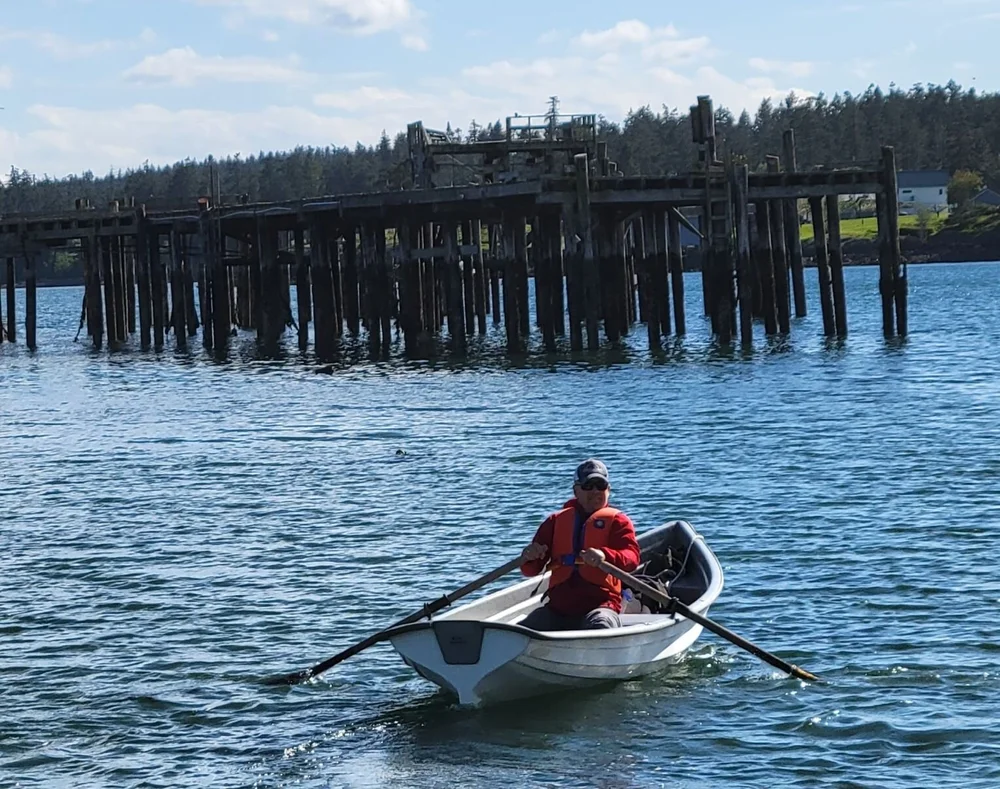
Fast forward to the end of May. I have now commuted the entire month out to Yellow using my rowboat. I have rowed about 44 miles during 5 round trips excursions to Yellow.

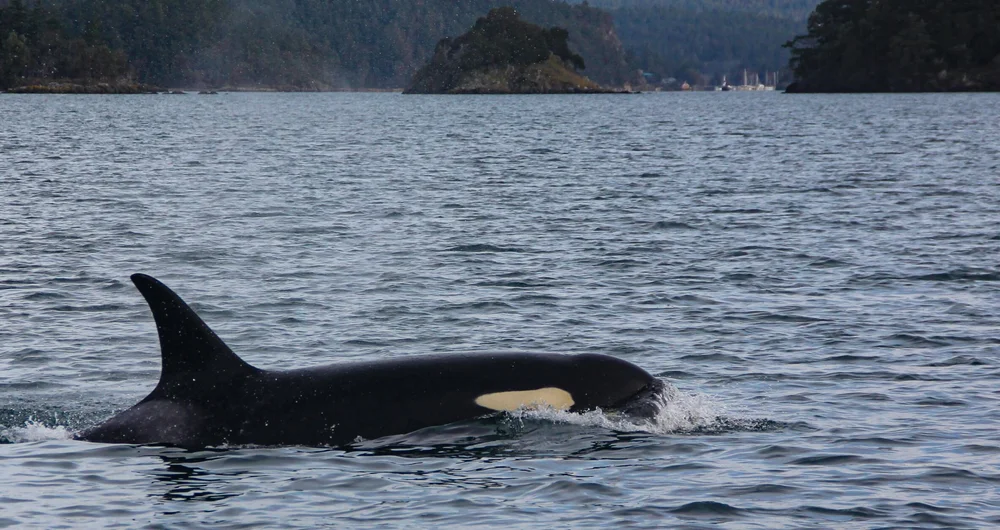
As I expected, I saw and experienced many beautiful and amazing things by slowing down. I rowed near a pod of orcas which seemed much bigger and waaaaay more intimidating than when I am in my motorboat. I hugged the shoreline and saw guillemots fledging for the first time. I picked up some marine debris which washed up on a rock during a winter storm. When I was hot, I hid in the shadows of San Juan Island, and when I was cold, I rowed in the sun in the middle of the channel. I laughed at my ridiculously slow progress when I was rowing against the current and enjoyed several exciting trips downwind.

Matt Axling at the oars.

Matt Axling at the oars.

Closeup visit with an orca.

Closeup visit with an orca.

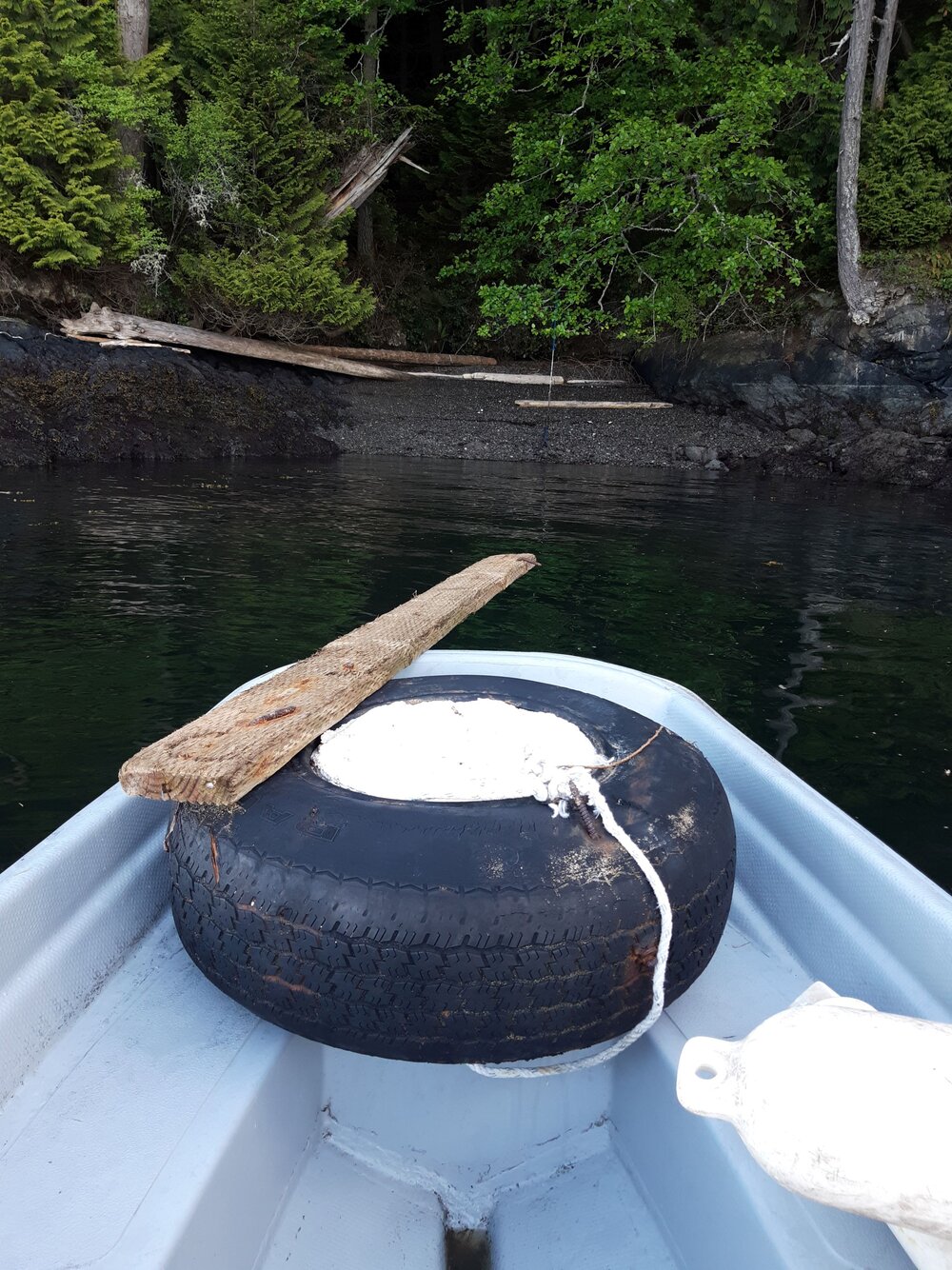
You never know what you’ll find in the water, including this old tire.

You never know what you’ll find in the water, including this old tire.

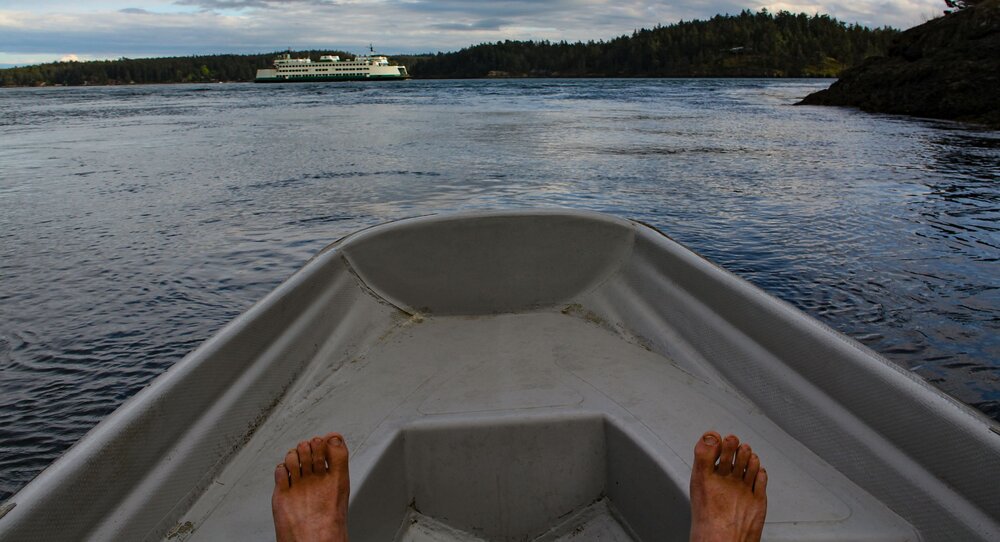
Some days are barefoot days.

Some days are barefoot days.

What I didn’t expect was how solo rowing for a month would connect me to so many people. Bike commuting has some similar parallels. Simply because you are not behind a windshield, you are forced to interact with everyone in your surroundings. You talk with all kinds of people. I noticed this when I was leading international bike trips in Argentina and Norway with groups of youth. Even though we didn’t share a similar language or culture, the bike would bring people together because it was a common experience.

At the Port of Friday Harbor, my little rowboat soon became a focal point for many people. I received a phone call from somebody who wanted to buy the boat on the spot. People were often gathered around it when I arrived in the morning or waved at me when I was rowing through the port. I soon became known as “the guy who was rowing to Yellow”.

lessons learned from a month of rowing

May is my busiest month of the year on Yellow. The flowers were out and people flock to Yellow to see the progression of blooms.

Indian paintbrush in bloom with the Whitehall rowboat floating in the distance.

Indian paintbrush in bloom with the Whitehall rowboat floating in the distance.

Due to COVID protocols requiring me to keep my distance from the public, I spent much of the month talking with the public while sitting a safe distance away at my picnic table. With my rowboat tied up to the mooring ball behind me, eventually the conversation would turn to the boat.

“Are you rowing to Yellow? (yup)

“From where?” (Friday Harbor)

“How long does it take?” (Depends on wind and tide but about 1 ½ hrs)

“Aren’t you tired?” (Yes – but in a good way).

“Why are you rowing?”

It was this last question which sparked the most conversation. Yellow Island is indeed a special piece of land. It is unlike anything that exists in Washington and is truly unique. Its conservation value is important, but I think its true power is its ability to connect people to our work. People who come to Yellow aren’t just looking for flowers. They are looking for a connection to the land. The reason I was rowing to Yellow Island changed over the course of the month. What started out as a fun side project, turned into a deeper conversation about ways to do things differently. How the ways we have viewed stewardship, and people’s ability to access our lands needs to evolve and grow and to include more voices. Just like rowing the boat, sometimes we need to slow down and take the time to value the quality and depth of our work and relationships which we are trying to build.

As I write this, I have a few more rowing trips to complete this month. Visitation is quieting down and my busiest month of the year is coming to an end. Signs of summer are in the air: pregnant seals are returning to the island, spotted towhees are singing and the Island’s flowers are going to seed. Rowing back and forth has reminded me to look at our work from all different angles. If we listen and take our time, amazing experiences can be created.

Learn more about Yellow Island


Reconnecting the Taneum with LWCF

The Taneum watershed, in the heart of the Central Cascades but only a 90-minute drive from Seattle, provides an awesome place to play outside.  Locals and visitors flock to the area to hike, camp, bike, ski, fish, snowmobile, horseback ride, hunt and more. But, though the opportunities to enjoy nature here are tremendous, there’s so much more to the Taneum. 

The Greenway

The Taneum watershed is part of the 1.5-million acre Mountains to Sound Greenway, a National Heritage Area connecting communities with nature from Seattle to Ellensburg. The Greenway Trust is an indispensable partner and tireless advocate for protecting the headwaters of the Yakima River.

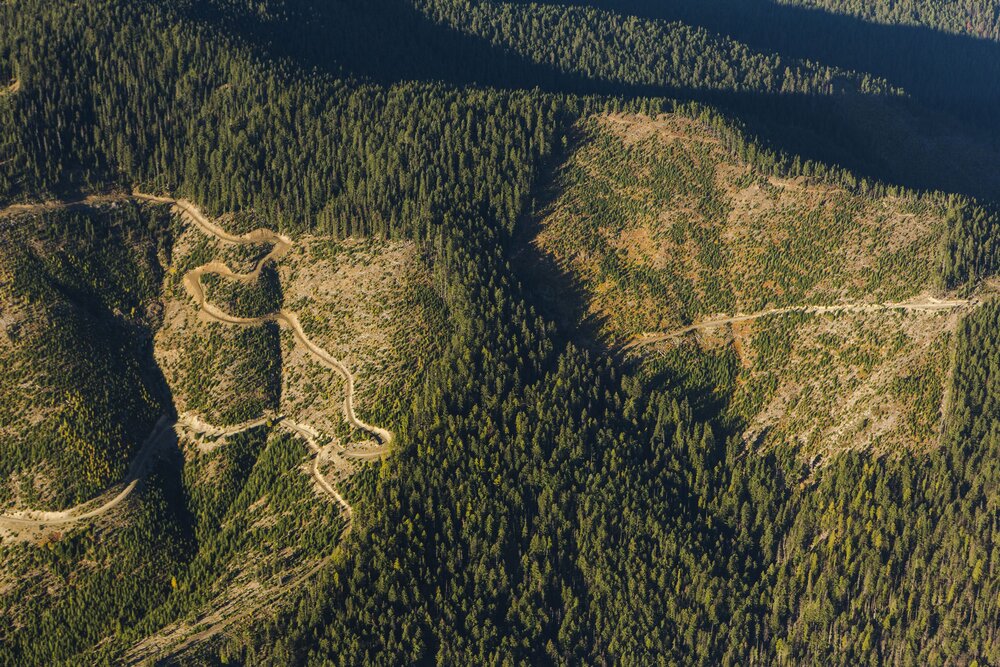
In addition to the something-for-everyone outdoor activities in the area, the “checkerboard” forest lands of the Taneum are important habitat for rare and endangered fish and wildlife and are a precious water source near the headwaters of the Yakima River. This watershed supports agriculture, outdoor recreation and natural resource economies – both up in the Central Cascades and downstream in the Yakima Valley.

Watch our new video about this project

Central Cascades Checkerboard and Rainier by Benjamin Drummond.jpg

Checkerboard 2 by Benjamin Drummond.jpg

Central Cascades mountain biking by John Marshall.jpg

Emily nordic xc skiing central cascades by Hannah Letinich.jpg

recreation in the central cascades by caleb and ariana babcock.jpg

hiking in central cascades by caleb and ariana babcock.jpg

ManastashTaneum wild lily - maybe Mountain - Columbia - Martagon - Tiger - close up by Zoe van Duivenbode.jpg

mid-columbia river steelhead-pair-USFWS.jpg


The Power of LWCF

Permanently reauthorized and permanently funded one year ago this summer as part of the 2020 Great American Outdoors Act, LWCF is our country’s most important conservation program. With $14.5 million in LWCF funding to support this transfer, the OWNF can take major strides toward restoring forest health and resolving the inefficient pattern of checkerboard ownership that has dogged land managers and frustrated forest users for decades.  

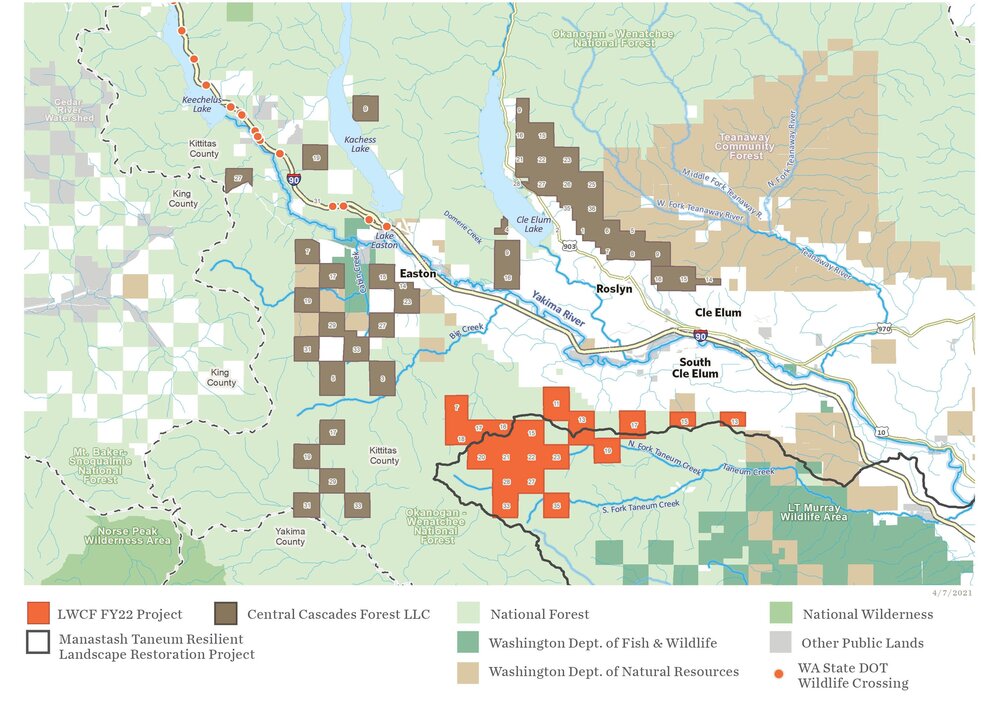
We are proud to partner with the Okanogan Wenatchee National Forest (OWNF) on a project to protect 12,000 irreplaceable acres in the Taneum. Located south of I-90 and the communities of Easton and South Cle Elum, and northwest of the LT Murray Wildlife area, the Taneum is part of a “checkerboard” legacy of land ownership.  With support from the Land and Water Conservation Fund (LWCF) this project would transfer 12,000 acres of privately owned parcels to the National Forest. This transfer will improve management efficiencies and public access in addition to protecting the landscape for fish, wildlife, water users and future generations.  

The parcels highlighted in orange below – already nearly surrounded by the OWNF – are part of this year’s project. Click on the map for a larger view of this checkerboard landscape.

FFOF_CentralCascades_LWCF_Fy22_20210407_11x8.5_forWeb.jpg

since time began

The Taneum watershed is located within the ceded lands of the Confederated Tribes and Bands of the Yakama Nation. Descendants of the original inhabitants of these lands still steward the area today, protecting it for future generations. Leaders from the Yakama Indian Nation have generously lent their support to this LWCF project through the years.

Water is the lifeblood of Central Washington, and the health of the Yakima River impacts the well-being and livelihoods of tens of thousands of Washingtonians: members of the Yakama Indian Nation, farmers and vintners downstream in the Yakima Valley, and municipal water users from the City of Yakima to the Tri-Cities. The Yakima River is critical habitat for salmon and steelhead, and protecting the Taneum is crucial to improving the Upper Yakima Watershed’s ability to store and deliver clean water for fish and wildlife, agricultural irrigators, and thousands of urban, suburban and rural households.

Taneum+Creek+at+Heart+K+Ranch+by+Keith+Lazelle.jpg

Confluence of Yakima and Naches Rivers near I-82 by Benjamin Drummond.jpg

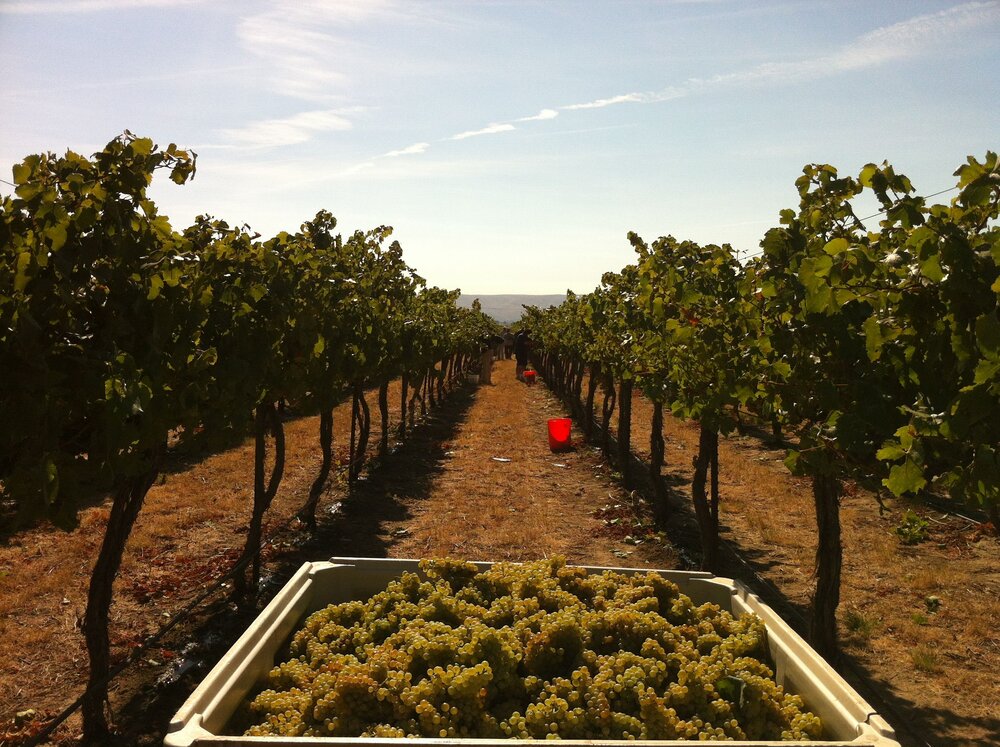
Chardonnay_grapes_harvested_from_Wykoff Vineyard in Yakima Valley creative commons photo by Agne27.jpg

Eastern WA apples by Cameron Karsten.jpg

Irrigated farmland thanks to Yakima River by Benjamin Drummond.jpg

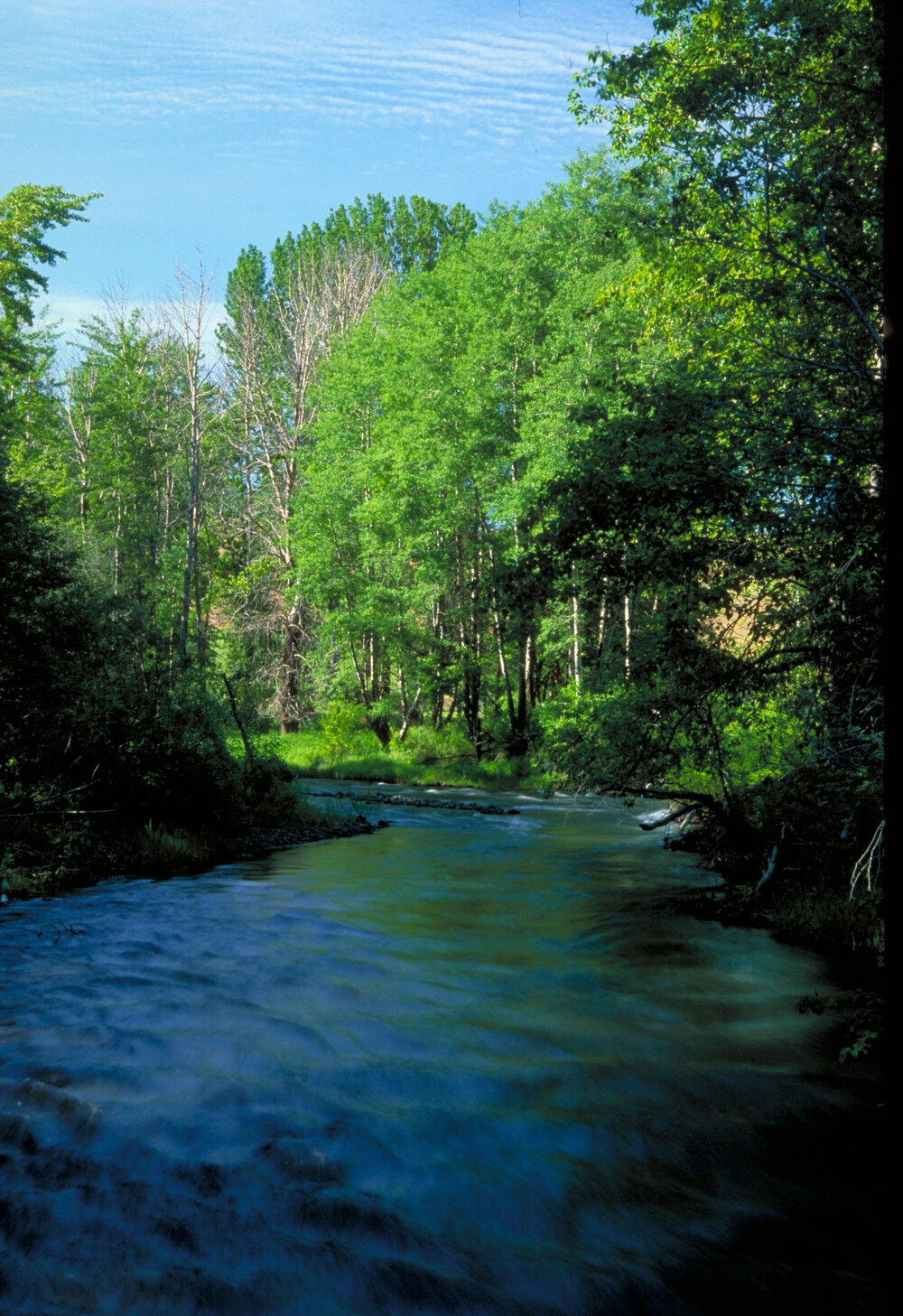
River in the Taneum by Zoe Van Duivenbode.jpg

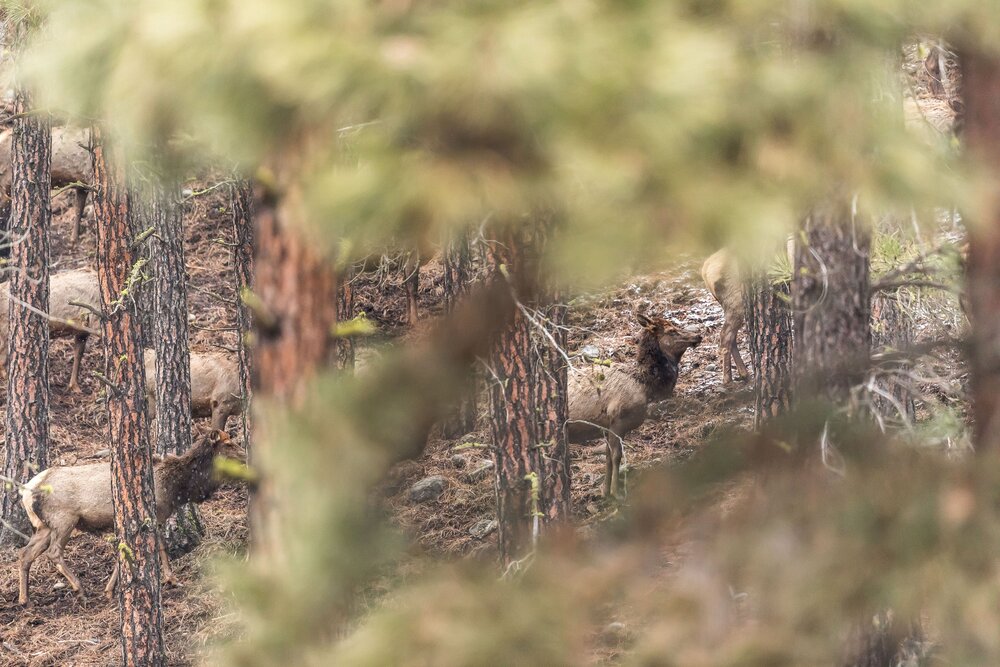
WA_2018_WinterElk_Tieton-by Cameron Karsten.jpg

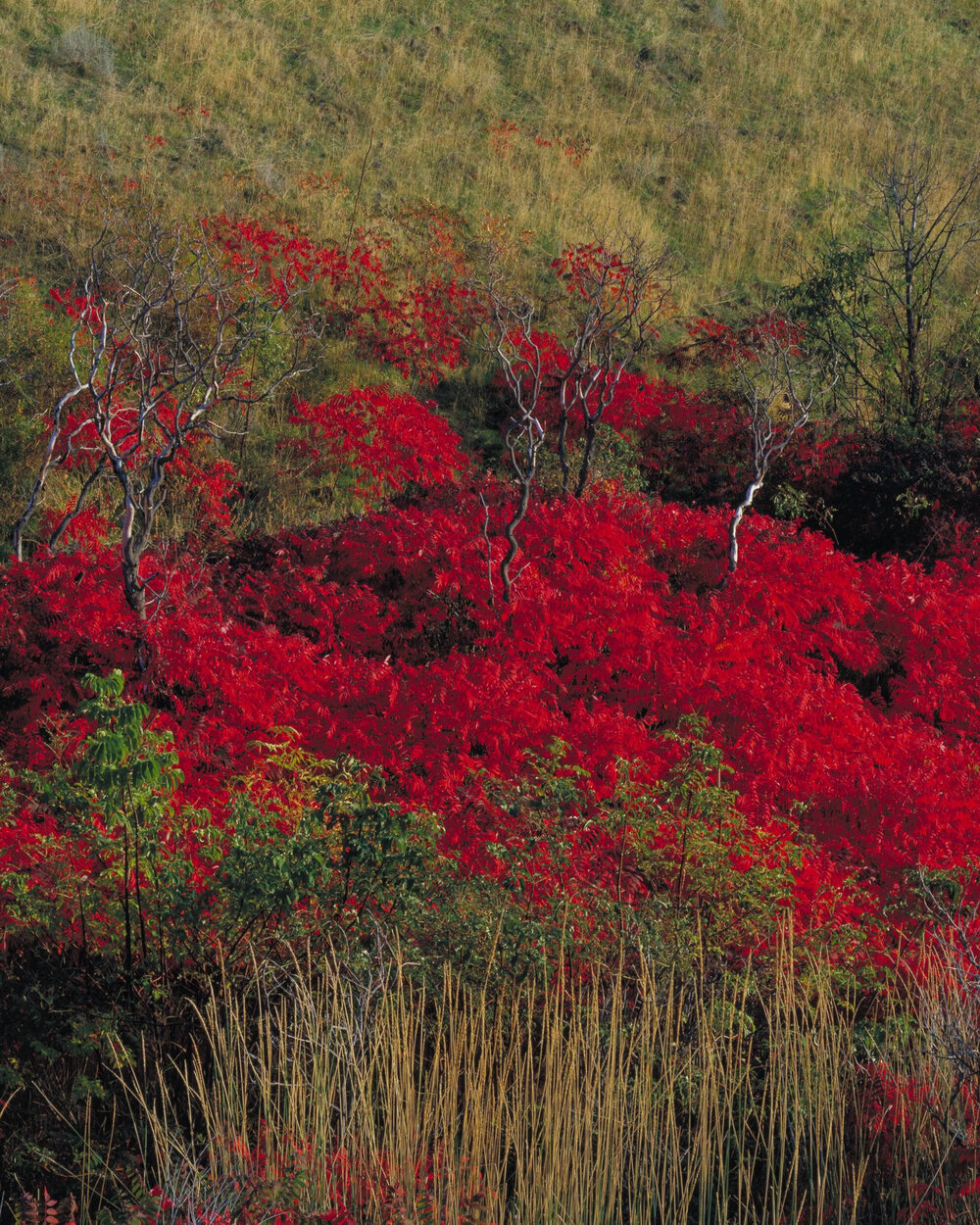
Sumac+Rhus+glabra+in+hills+above+Yakima+Valley+by+John+Marshall.jpg

WA_2018_TNC_TietonSpring-62 by Cameron Karsten.jpg


Home to Ponderosa pines, large mammals like elk and bear, rare and threatened species such as wolverines and spotted owls, as well as 200 species of birds, the Taneum is under pressure.  Water is especially valuable here, and it’s increasingly scarce.  The Yakima River is strained by increasing demand for irrigation and a growing population, climate change and wildfire. Partners working to restore the watershed as part of the Yakima Basin Integrated Plan are seeking to manage the risks and balance the demands with coordinated efforts to protect groundwater, store surface water, remove barriers to fish passage and provide high-quality recreation access and opportunities.  

See more LWCF Places & Spaces


Collaboration is at the Heart of Floodplains

The Floodplains by Design (FbD) network is a group of floodplain practitioners and floodplain influencers across Washington that are changing the way we look at floodplains from a siloed approach to an integrated holistic approach to river management. While each floodplain may have their own players, drivers and next steps, the common thread is the collaborative approach to finding agreement on achieving healthy rivers systems and healthy communities. But the challenge hit us last year, how can we continue to collaborate when we can’t be in community with each other? Learn more about how the FbD network faced this challenge; with creativity, nimbleness and most importantly found a community to lean on for help.

Read the full story here.