
The post HSK 1 Week 24: Words 116-120 appeared first on Written Chinese.
HSK 3 Week 6: Words 326-330
The post HSK 3 Week 6: Words 326-330 appeared first on Written Chinese.
HSK 3 Week 5: Words 321-325
The post HSK 3 Week 5: Words 321-325 appeared first on Written Chinese.
City Break: Charleston
City break (noun): a short holiday spent in a city, such as when on business travel.
Before there was bleisure travel, there was the city break—the short space of leisure time that grants you access to the cultural and culinary amenities that big cities offer. In this series from TripIt, we explore some of the world’s best cities for planning a quick getaway or extending a work trip.
Here are our tips for making the most of your city break in Charleston.
Where to fly in
Charleston is served by Charleston International Airport (CHS), located just 12 miles north of the city. CHS consists of one main terminal, with flights departing from two concourses. While it is South Carolina’s busiest airport, it’s also relatively small, and thus, easy to navigate.
Once on the ground, travelers can catch the Charleston Area Regional Transportation Authority (CARTA) public bus service right outside of baggage claim to head into the city. CARTA’s Airport Express route is a direct link between the airport and downtown Charleston.
Taxis and ride shares are also available from CHS. Alternatively, rental car pick-up can be found just past baggage claim before you exit the terminal.
Where to stay during your city break

In search of some Southern hospitality? Look no further than the colorful The Mills House Wyndham Grand Hotel. Here, you’ll stay in the heart of Charleston’s historic district, steps away from fine dining restaurants, vibrant nightlife, and charming shops. Or, the equally luxurious Belmond Charleston Place, also located on central Meeting Street, offers three on-site restaurants, a swimming pool (and poolside bar), and a full-service spa.
If a hotel in a prime Charleston location is what you’re after, look no further than the Andrew Pinckney Inn. This four-star hotel is walking distance from major attractions such as Waterfront Park, Charleston City Market, College of Charleston, and more.
Looking for the charm of a boutique hotel? Check out—well, check in—to Emeline. Located in historic downtown Charleston, this hotel is a great place to call home while you explore the city. Grab a coffee from on-site coffee shop Clerks before you head out; return in the evening for a glass of wine on the patio. The twinkly lights await you.
In Charleston on business and in need of event space? The Francis Marion Hotel offers 19,000 square feet of meeting space, including a conference center. Business travelers will also appreciate the complimentary Wi-Fi, on-site business center, and express check-out.
How to get around
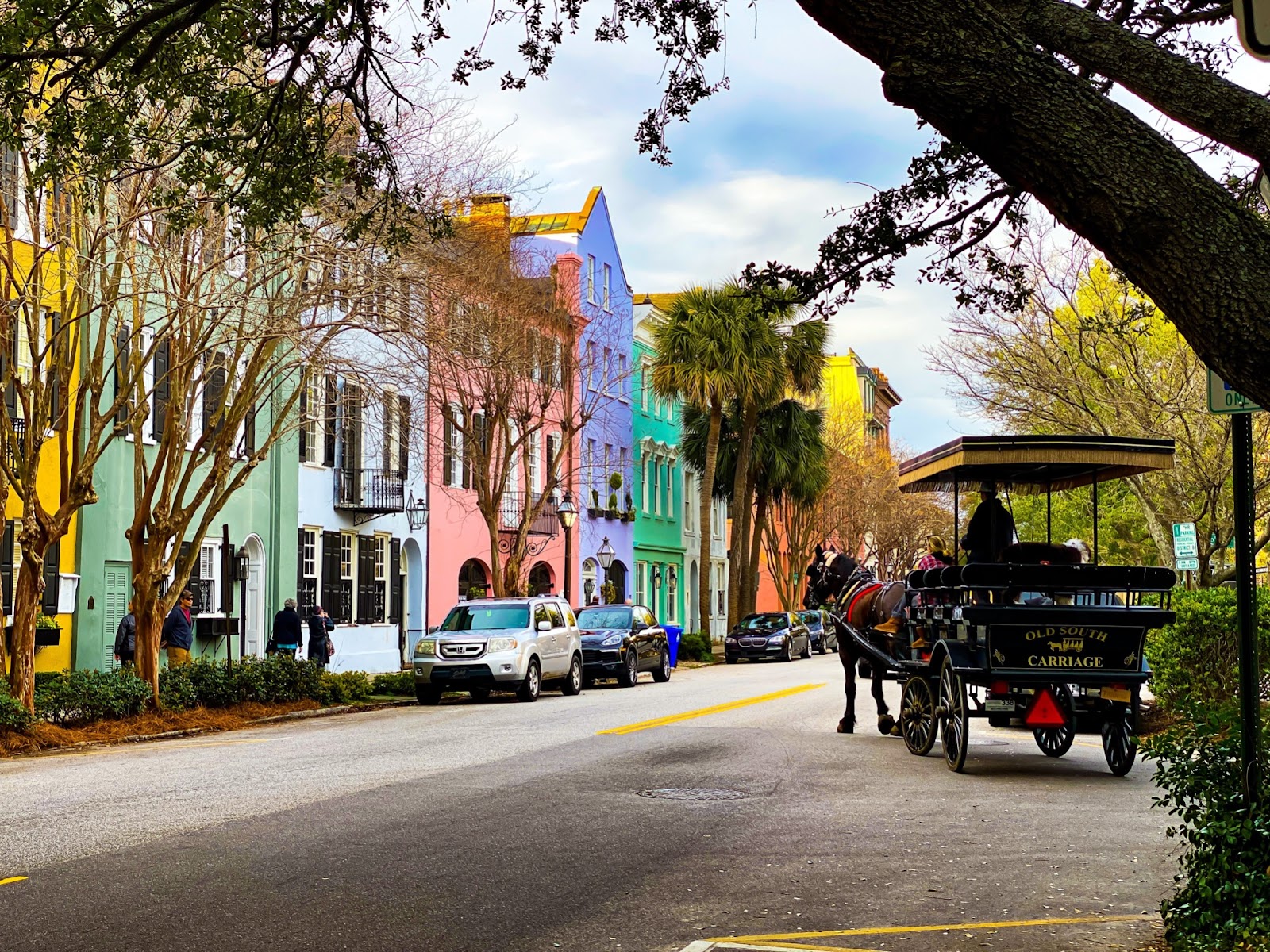
Part of Charleston’s charm is its easy walkability. Plan accordingly by packing comfortable shoes for walking from place to place. Your reward? An unobstructed view of Charleston’s colorful homes, complete with tucked-away piazzas and decorative flora.
When walking isn’t feasible, Charleston’s CARTA bus system can be your go-to for getting around. An express one-way fare costs $3.50 and can be purchased online or from the bus driver (exact change only). Alternatively, a day pass costs $7; multi-day passes are available at a reasonable discount, as well. You can buy passes online or at the Charleston Visitor Center.
Alternatively, Uber is available in Charleston and is likely your best option for getting around the city in a jiffy.
Pro tip: Use TripIt’s Navigator feature to search transportation options available to you. It will show you the estimated costs and travel times for each option, so you can decide which works best. You can find Navigator within your flight, hotel and rental car details screens. Plus, if you add a restaurant reservation to your itinerary (more on where to eat below), Navigator also helps you find the best transportation options for getting to your table.
Where to eat
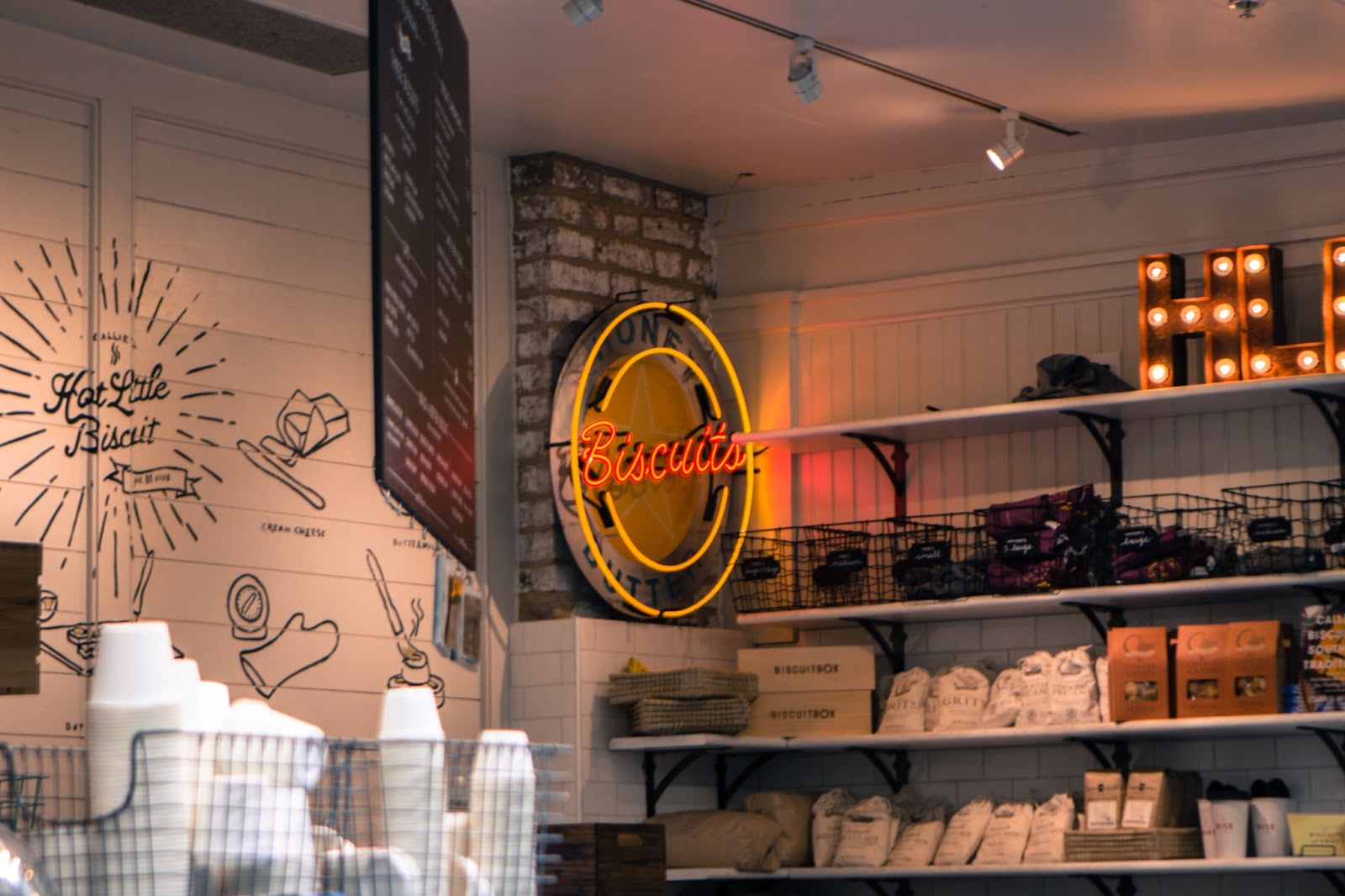
If you traveled to Charleston just to eat at its restaurants, I can’t blame you. A city known for bringing together the flavors of the Lowcountry—both from the land and the sea—Charleston is guaranteed to satiate any kind of appetite.
If you only have time for one meal in Charleston, make it at Husk. This award-winning restaurant features seasonal dishes made with locally-sourced ingredients. You will absolutely need a reservation (seriously, make one now, I’ll wait…). Didn’t snag one in time? Bide your wait at the bar enjoying a classic cocktail, or opt for a specialty drink crafted by Husk’s professional mixologists.
Just a few doors down on Queen Street, 82 Queen is another delectable option for fine dining in Charleston. Aimed at celebrating all the Lowcountry has to offer, 82 Queen is open for lunch, brunch, and dinner.
Looking for the best seafood in Charleston? Head to Hank’s Seafood Restaurant, which has held the title of the spot for seafood in Charleston for 18 years running. We recommend the tuna tartare to start as you peruse the menu.
Have a new client (or a new date) to impress? Book a reservation at Maison. This French restaurant offers a seasonally inspired menu and a $5 champagne happy hour. Win-win? Oui!
Craving Southern BBQ in a casual atmosphere? You came to the right city. Choose from delectable spots like Rodney Scott’s BBQ, Lewis Barbecue, and Home Team BBQ.
What to do on your city break
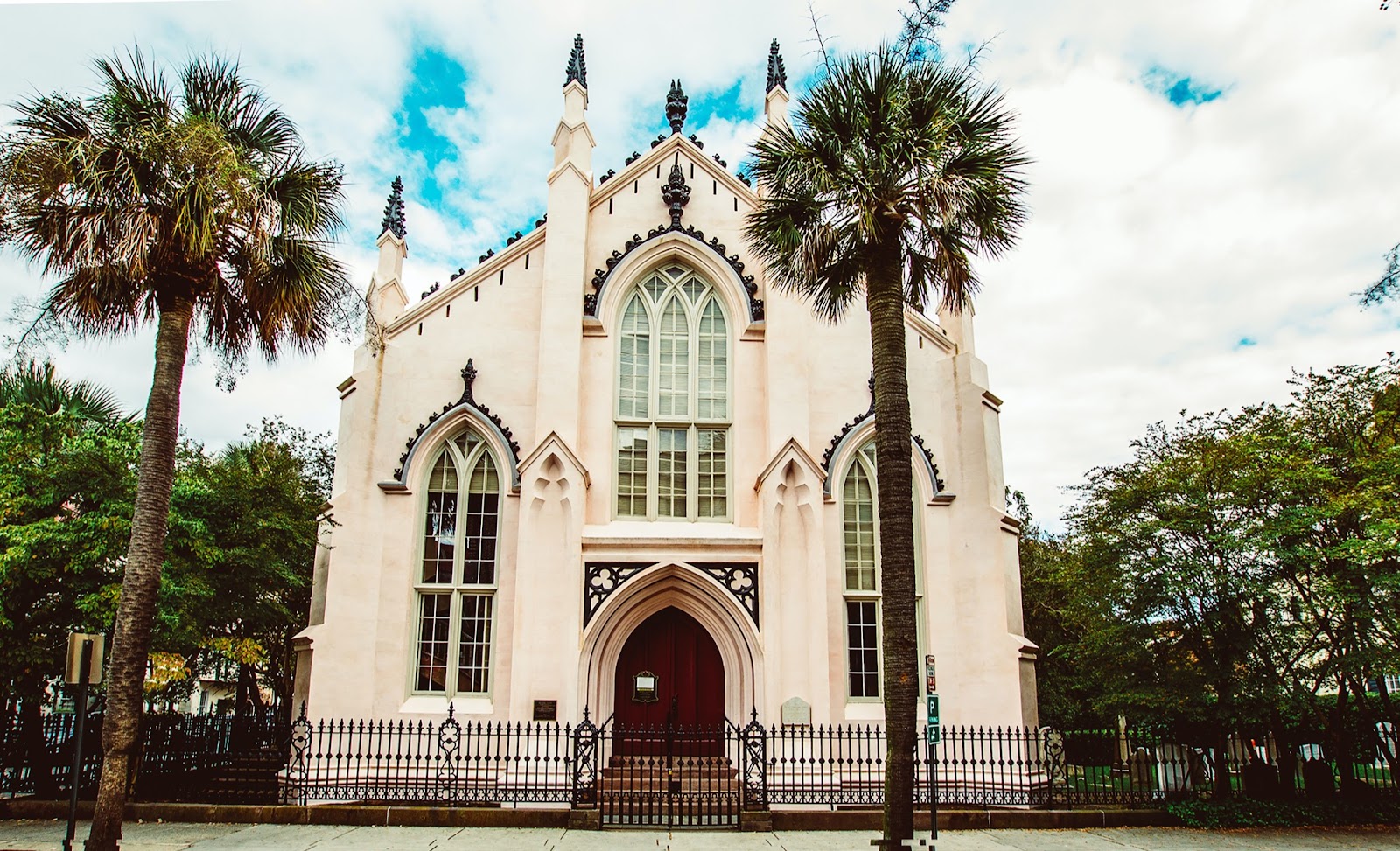
If this is your first time visiting Charleston, start your clock at Charleston City Market. Take a stroll through the great hall and open air sheds—some dating back to the early 1800’s—that now house local vendors selling crafts and goods.
Once you’ve had your fill of the market, board a horse-drawn carriage for a tour of the city. During your one-hour tour, you’ll learn about the city’s history, and how earthquakes, great fires, and two wars have shaped its evolution. Carriage tours can be picked up right next to City Market. If you only have one hour of leisure time in Charleston, I highly recommend you spend it here.
There are also plenty of kid-friendly things to do in Charleston. Catch the ferry to Fort Sumter to learn about its place in American history, particularly the role the fort played in the Civil War. Or, head to Folly Beach, about a 25-minute drive from downtown, for some family fun in the sun.
Adults only? By day, wander King Street and Queen Street to shop the city’s many antiques stores and art galleries. By night, head to The Gin Joint in downtown or HandCraft Kitchen & Cocktails in Mount Pleasant for—you guessed it—unique handcrafted cocktails.
Looking for a different kind of spirit? Book a ghost tour with Bulldog Tours for a guided jaunt through the city’s graveyards, jail, dungeons, and more.
Note: As cities reopen around the world, be sure to consult and adhere to all local guidelines and travel restrictions, as they vary widely and will continue to change. One way to stay on top of changing guidelines is to consult the COVID-19 travel guidance feature in the TripIt app for destination-specific information, including current infection rates, quarantine rules upon arrival, testing requirements, and other information you need to know before visiting the area.
The post City Break: Charleston appeared first on TripIt Blog.
American Travelers Practice Cautious Optimism, Many Are Waiting to Book End-of-Year Trips
‘Tis the season for booking holiday travel. Or, is it? Earlier this month, we asked more than 1,500 U.S.-based travelers about their travel plans: Of those planning to travel in the next year, 63% plan to do so in the next three months, suggesting a busy holiday travel season ahead.
But when it comes to booking travel—for the holidays and otherwise— American travelers are practicing cautious optimism. More than a quarter (26%) of travelers said they have made plans they are prepared to cancel or change. And a quarter (25%) said they’re holding off making plans due to the Delta variant. Our data also points to many Americans waiting to book holiday travel plans, with the majority of those planning to travel for Thanksgiving, for example, planning to book only one month out.
Perhaps past experience lends to this behavior—more than a quarter (28%) of travelers said they have canceled or changed plans due to the Delta variant. Of those who changed or canceled plans, 27% lost money, some up to $5,000.
So, is the Delta variant making Americans more cautious about booking travel plans? What precautions are they taking—and what makes them feel comfortable—when they travel? What else do travelers consider before planning a trip? We look at the answers to these questions, and more, below.
One third of Americans book vacations six months out; business trips one month in advance
The top three reasons why Americans plan to travel in the year ahead have remained mostly consistent over the course of 2021. This time around, 77% said they’re planning a vacation, 60% are planning to visit family and friends, and 41% are planning a business trip.
Other reasons include the winter holidays (27%), a special occasion (25%), a rescheduled trip (22%), and Thanksgiving (19%).
As for when Americans are planning to book these trips:
- Nearly one third (31%) of travelers planning a vacation will book six (or more) months in advance. More than a quarter (26%) plan to book three to six months out.
- Half (50%) of people taking a rescheduled trip (re)booked it six months in advance—or more.
- Unlike vacations and rescheduled trips, business trips are most likely to be booked closer to the date of travel: 34% of those planning a business trip will book one month out; 28% book three weeks out.
- As for the upcoming holidays, 28% of those planning to travel will book plans for Thanksgiving one month in advance; 20% of those traveling for the winter holidays plan to book one month out, as well.
Would-be travelers grapple with the Delta effect
When we released survey data back in August, we saw that those comfortable flying in current conditions increased. And while remaining a top need, the relative importance of airline safety measures dropped.
But the Delta variant has changed what travelers need to feel comfortable flying. Our recent survey data shows that nearly half of travelers (47%) said in order to feel comfortable flying they would need proof of vaccination or a negative COVID-19 test required for passengers. Forty-two percent of travelers would like to see airlines continue or increase their safety measures, such as mask requirements and COVID-19 testing mandates. In addition, more than a third (38%) of travelers said requiring vaccination or COVID-19 testing for airline employees would make them feel comfortable flying. (Soon after this survey was fielded, many U.S. airlines began doing just that.)
Travel-related concerns looked a bit different this time around, as well—and we’re positing the Delta variant is why. Back in August, we saw some familiar travel concerns return: overcrowding and long lines were the top concern, meanwhile unruly passengers and the costs associated with travel appeared in the top five.

Now, more than a third of travelers (37%) said their top concern was whether they might need to cancel or reschedule a trip due to COVID-19 restrictions, requirements, or illness. Staying up to date on travel restrictions, guidelines, and requirements came in second, with 35% of travelers expressing concern about this. Overcrowding and long lines dropped to number four in the list, but more than a quarter (27%) still say this is a top concern next time they travel.
Travel plans – check! Now what?
Keys, wallet, phone, passport, vaccine passport. The list of things you need to travel in the new normal has lengthened—for most people.

According to our survey data, of those who traveled in the past six months:
- 60% carried their CDC COVID-19 vaccination card with them on a trip
- 29% took a COVID-19 test for their trip
- 15% used a vaccine passport app for their trip
- Only 4% had to quarantine upon arrival or when they returned home
- Just 1% of travelers had to reschedule or change their trip plans due a positive COVID-19 test; likewise, just 1% of respondents contracted, or traveled with someone who contracted, COVID-19 during a trip
That said, 30% of people told us none of the above applied to them.
Millennial travelers are twice as likely to consider environmental impact of their trips
After a hard reset, many Americans are reshuffling their priorities when it comes to travel. Whether it’s ascribing to the slow travel movement or being more conscientious of their carbon footprint, travelers are rethinking how they travel—and why. Indeed, more than half (57%) of travelers said they consider political, environmental, and social issues when they travel.
The top issues or values on travelers’ minds when planning a trip include the political environment or social unrest at their destination (43%), the ethics of traveling to their destination, e.g., vaccine equity/access or overtourism (23%), and the impact to the local community at their destination (15%).
When we looked at the differences between generations, we found that:
- Millennials and younger are twice as likely (16%) to consider the impact of their travel-related carbon emissions than Gen Xers (7%) or baby boomers and older (8%).
- Millennials and younger are more likely (25%) to consider the impact to the local community than Gen Xers (17%) or baby boomers and older (10%).
- Gen Xers (9%) and baby boomers (11%) are more likely to consider potential threats based on their political views than millennials and younger (4%).
Because of the uncertainty surrounding COVID-19, Americans are taking a cautiously optimistic approach to planning—and booking—trips. While some book flexible travel plans they know they might need to change or cancel, others are holding off booking until the last minute.
These behaviors are understandable. Some travelers have lost money on canceled travel plans; others have had to reschedule trips—and then reschedule them again.
Nonetheless, our data shows travelers persisted. They’ve done what it takes to travel, whether it’s carry their CDC-issued vaccine card, take a COVID-19 test for their trip, or book a spontaneous trip.
We appreciate that changing travel restrictions and requirements can sometimes feel confusing and hard to predict. But with just 1% of travelers contracting (or traveling with someone who contracted) COVID-19, we’re glad to see caution paying off in keeping travelers safe.
Methodology: TripIt surveyed more than 1,500 U.S.-based users to understand their travel plans for the year ahead. The survey took place in late September to early October 2021. For the purpose of this research, TripIt defined generations as follows: millennials (1981-1996); Generation X (1965-1980); and baby boomers (1946-1964).
The post American Travelers Practice Cautious Optimism, Many Are Waiting to Book End-of-Year Trips appeared first on TripIt Blog.