The 2021 term of the Culinary Nutrition Expert Program has wrapped up and we are unbelievably proud of this year’s incredible community. Our 2021 crew came from across the globe, with over 30 countries represented and everyone had an infinite level of wisdom and inspiration to offer.
The grand finale of the Culinary Nutrition Expert Program, their final assignment, is a 2-hour live class facilitated by our culinary nutrition experts-in-training. This is an opportunity for our students to incorporate all of the skills they’ve learned throughout the semester and share what they know about culinary nutrition with family, friends, or coworkers.
It brings us tremendous joy to hear about how their classes went. Our students often feel:
Our students are always a little nervous about hosting an event, but every year they are filled with elation and gratification after they totally rock it.
We are so proud to share photos of some of our students, of their smiling faces, beautiful food and pride at a job well done!
“Had a blast running my workshop! I went into this course thinking, ‘I’ll brush up on my nutrition info and get some ideas for cooking/baking’, but it has been such a pleasure and has given me so much while reminding me why I love it so much. I’m in corporate America and it’s scary to think about walking away from it but through this experience I can see a future with workshops and coaching in it.”
“Had my workshop last night on the topic of psoriasis/autoimmune conditions. We had an amazing time and so much food!! I felt so comfortable explaining, but definitely challenging to cook, teach and stay on track. My guests had so many questions. It was a great experience & everyone loved the food!”
“My Cultivating Calm Workshop was a success!! This was way outside my comfort zone but it felt really right, and I felt excited to share everything I’ve learned from this program. Everyone loved all the recipes and learned so much. I had so much fun making everything and teaching. I felt organized and prepared. I even cracked some jokes to lighten the mood. I think one of my love languages must be giving and cooking because it felt so good to be able to give others the gift of good health!”
“I have to admit I was stressed and worried, but I did approach it from the stance that I truly wanted my participants to feel their time was valued. I did not think of this as my assignment but my opportunity to share with them the incredible knowledge I’ve gained from this course.
I am excited to share that it went amazing. We had so much fun. I presented, we discussed, I demoed – then they all cooked/prepped at individual stations then we met back at the table to discuss what each person made, what they thought of it, changes they made or would make. It was lively and interactive.
Following our class they wanted to create a WhatsApp group for recipe and lifestyle sharing (which we did). I have to give huge kudos to Meghan and her team.”
“I was nervous when prepping to do the workshop, but I was all good once I got started. I was just excited to inform and teach my people. We had lots of laughs and enjoyed the samples. It was so empowering. I loved it and can’t wait to plan another one.”
Good nutrition is important to help us maintain vibrancy and resilience. Without it, our health, work, sleep, personal relationships and enjoyment of life may suffer. But with rising food prices, is it possible to maintain a nutritious diet? This is where budget-friendly recipes and tips can help.
Food prices reached a 10-year high in 2021 and it looks like relief won’t be on the horizon in 2022. The pandemic, recent environmental disasters, the labour market, broken supply chains and inflation are just some of the reasons why you may be feeling sticker shock right now.
Food Insecurity and Budget-Friendly Recipes
Food insecurity is on the rise alongside food prices. The recent global circumstances have exposed many truths about food insecurity and food accessibility that have existed for decades, and have only worsened in the last two years.
The ability to choose budget-friendly whole foods such as fruits, vegetables, and beans is a privilege and one that is not available to many people around the world. There are vast populations that not only cannot afford basic staples but also don’t even have access to them based on where they live. For more about this, we have a detailed post about food insecurity and the people who are making a difference.
Budget-Friendly Tips
Aside from budget-friendly recipes, these are some things you can do in your kitchen to help save money and make the most of the food you buy.
Eat More Plants
Most plant-based foods are less expensive than animal products, so incorporate plenty of vegetables into your menu plans, along with beans, legumes and gluten-free grains. If you’re going to eat animals, buy high-quality products and use them sparingly – make veggies the star of the plate, with meat as the side dish.
Focus on Budget-Friendly Foods
Some foods are simply less expensive than others – and the good news is many of the inexpensive options are true superfoods that are easy to find at most grocery stores. For a detailed list of budget-friendly foods, check out these resources
- Healthiest Budget Friendly Foods: Get More Bang for Your Buck and Bite
- Podcast: How to Eat Healthy on a Budget
Buy Local and Seasonal Food
Food costs less when it’s in season because it’s plentiful in nature. When you purchase from local farmers, the food doesn’t travel as far to get to you, cutting down on travel costs (and the impact of carbon emissions on the environment). Plus you can help support the local economy.
Try Growing Food
Whether you’re working with a yard, balcony, windowsill or community garden, this guide to growing food shares optimal tips to help you grow your own veggies, fruits and herbs. And don’t forget about things like sprouting, which you can easily do indoors.
Reduce Your Food Waste
There is a lot of food that ends up in the landfill. Store your food well to make it last, and try use up your fresh ingredients or pantry items before making a trip to the grocery store. Many of our students like to ‘shop’ their fridges, freezers and pantries to figure out creative ways to mix and match the ingredients for delicious meals.
Grocery stores and businesses are now embracing ‘ugly’ produce – these are the fruits and veggies that are still tasty and fresh to eat but have flaws in shape or colour, or have bruises. Give these veggies some love and as a bonus, they’re often discounted!
Start Menu Planning
Creating a weekly menu plan helps you reduce food waste, cut down on pre-made meals or takeout, and lowers dinnertime stress. Learn how to start menu planning with these resources:
- Healthy Batch Cooking 101
- 5 Essential Meal Plan and Meal Prep Tips
- Choose Your Own Adventure Family Meal Ideas
- Podcast: How to Solve Dinnertime Stress and Revive Mealtimes
Cook From Scratch
You knew this one was coming. If you want to save some cash, cooking from scratch is the way to go. Think about how much you spend on buying restaurant meals, takeout, pre-made items and drinks at the local coffee shop – if you do this regularly, it’s probably a lot. Cooking at home using fresh ingredients is not only better for our health, but will help you pad your wallet too.
And so, if you’re looking to get started with some budget-friendly meal inspiration, check out our favourite budget-friendly recipes.
best budget-friendly recipes for 2022
3-Ingredient Vegan Pancakes

3-Ingredient Vegan Pancakes by Green Evi
All you need are oats, a banana and nut or seed milk to make these pancakes a reality. Doesn’t get much easier, or inexpensive, than this!
Creamy Red Lentil and Kale Soup

Creamy Red Lentil and Kale Soup by The Healthy Family and Home
A beautiful vegan meal packed with protein and fibre – and it’s ready in 30 minutes!
Mexican Fried Brown Rice

Mexican Fried Brown Rice by Eat Healthy Eat Happy
A cheap and cheerful gluten-free meal that includes ingredients you probably already have in your pantry. Easy!
Vegan Korean Mung Bean Pancakes

Vegan Kimchi Bin Dae Tteok (Korean Mung Bean Pancakes) by Culturally Ambiguous Things
A flexible budget-friendly recipe that you can customize with your favourite vegetables and includes a fermented food for extra digestive measure.
Avocado Tuna Cakes

Avocado Tuna Cakes by Well Plated
Protein-packed tuna cakes that you can enjoy on a burger bun, or pair with a salad or roasted veggies.
Curried Chickpeas and Rice

Curried Chickpeas and Rice by Meghan Telpner (*ACN Founder and Director)
A hearty, low-maintenance meal that yields a large serving – and is even kid-friendly.
Grillable Vegan Black Bean Quinoa Burgers

Grillable Vegan Black Bean Quinoa Burgers by Jessica in the Kitchen
If you have a hankering for a simple veggie burger, this gluten-free and vegan recipe is just the ticket. Flourish with your favourite toppings and condiments and you’ve got yourself a meal.
Pan Roasted Chicken Thighs

Pan Roasted Chicken Thighs by Life Tastes Good
Everyone always heads for the chicken breasts first, but the thighs and legs are much more affordable and ultra delicious, too. This 5-ingredient recipe pairs perfectly with your favourite gluten-free grains, roasted veggies, or a simple salad.
Charred Romaine Salad with Tahini Dressing

Charred Romaine Salad with Tahini Dressing by The Pancake Princess
Ever grilled a romaine heart? It’s life-changing! This recipe doesn’t need a BBQ, just a hot pan – and incorporates a simple and quick tahini dressing.
Hearty Vegetarian Chili

Hearty Vegetarian Chili by All The Healthy Things
Nothing says budget cooking quite like a plant-based chili! Beans, rice, tomatoes, a bit of veg and spices. It’s an easy, cheap and no-fuss meal.
5-Ingredient Pea and Mint Soup

5-Ingredient Pea and Mint Soup by Lauren Caris Cooks
With only five inexpensive ingredients, this vegan soup is a bowl of bright green goodness.
Cauliflower Chickpea Masala

Cauliflower Chickpea Masala by Budget Bytes
This recipe clocks in at less than $2 per serving, and makes for a protein-rich and delicious meal. All of the recipes on this site offer an ingredient cost breakdown so it’s a good resource to use if you’re working with a tight budget.
Hummus Without Tahini

Hummus Without Tahini by Munaty Cooking
Chickpea hummus is already budget-friendly, but you can make it even cheaper with this recipe that eliminates the tahini but doesn’t compromise the flavour.
Simple Vegetable Soup

Simple Vegetable Soup by Lealou Cooks (*Culinary Nutrition Expert)
This clean-out-your-fridge soup recipe ensures nothing goes to waste. We love budget-friendly recipes like this one!
Twice Baked Breakfast Sweet Potatoes

Twice Baked Breakfast Sweet Potatoes by What Great Grandma Ate
A very satiating and easy breakfast meal to fuel you for the day. To make this even more budget-friendly, swap in beans for the chorizo.
Pumpkin Seed Zucchini Crackers

Pumpkin Seed Zucchini Crackers by Sondi Bruner (*ACN Head Program Coach)
Making your own gluten-free and grain-free crackers is much less expensive! This recipe is packed with budget-friendly seeds and zucchini, and is the perfect complement to salsa or dips.
Almond Butter and Jelly Green Smoothie

Almond Butter and Jelly Green Smoothie by Simple Green Smoothies
This antioxidant-rich dairy-free smoothie will remind you of your favourite peanut butter and jelly sandwich, minus the peanuts. It’s appealing to the kiddos, too, so give it a try!
Hungarian Goulash

Hungarian Goulash by Jan’s Sushi Bar
When using budget-friendly cuts of meat, hearty stews (or slow cooking) can yield a tender and flavourful result. Try this Hungarian goulash recipe stuffed with plenty of extra vegetables.
Super Iron Supper

Super Iron Supper by Stone Soup
This quick and easy iron-rich meal will give you a plateful of energy-boosting power. For the vegans and vegetarians, there is also a meat-free version.
Lazy Man Paleo Apple Pie

Lazy Man Paleo Apple Pie by Paleo on a Budget
Got apples in the fridge? Then you basically have what you need to make this gluten-free, dairy-free, grain-free and Paleo faux ‘apple pie’.
Gluten-Free Fudge

Gluten-Free Fudge from Gluten-Free on a Shoestring
A Paleo-friendly gluten-free fudge recipe that will satisfy your sweet tooth without breaking the bank.
Cozy Winter Lentil Stew

Cozy Winter Lentil Stew by Cindy Spratt (*Culinary Nutrition Expert)
This hearty stew feeds a small crowd and is very easy to stash in the freezer for later.
Share your favourite budget-friendly recipes in the comments below!

The post 22 Best Budget-Friendly Recipes for 2022 appeared first on Academy of Culinary Nutrition.
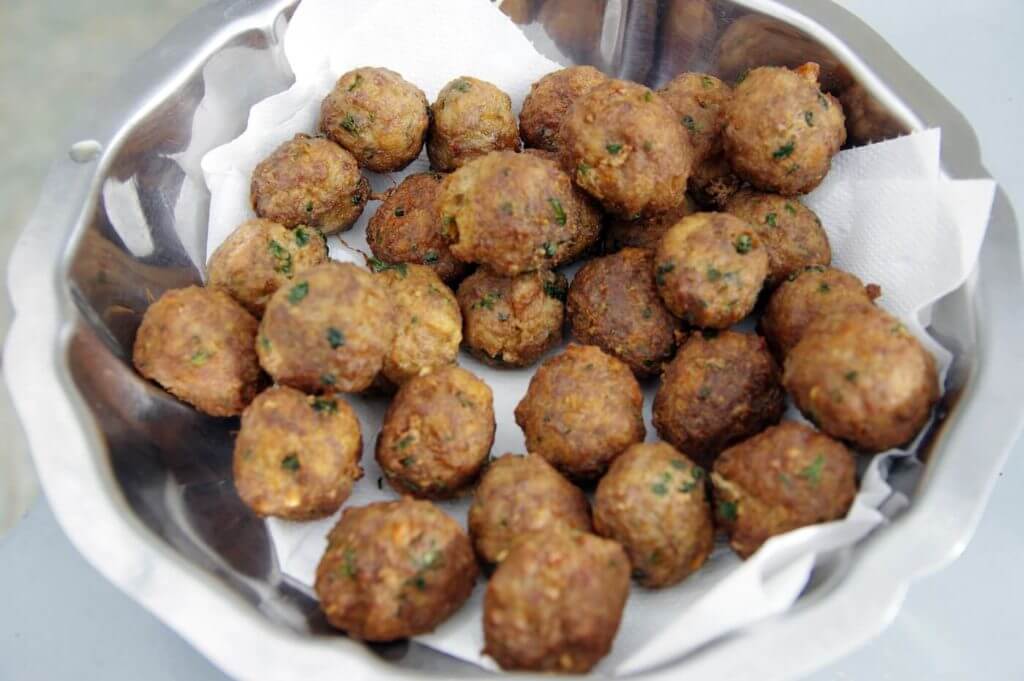
Most people have enjoyed a heaping plate of spaghetti and meatballs at some point during their life, and many can’t help but come back for more again and again.
This comforting pasta dish may seem quintessentially Italian, but it did not get its start in Italy. In fact, many restaurants in Italy today don’t even serve spaghetti and meatballs.
So where did this popular meal come from, and who should be credited with its creation? Let’s find out more about the history of spaghetti and meatballs.
History of Meatballs
The star of this pasta dish are the tender and flavorful meatballs. Meatballs can be found in, but are not exclusive to, Italian cuisine. In fact, a lot of countries and cultures have their own version of meatballs. For example, Sweden has köttbullar, China has lion’s head, and Greece has keftedes.
Many sources say the first meatball was made in ancient Persia, but this is debated by food scholars. Nevertheless, these meatballs, called kofta, caught on and inspired new recipes as the Persians traded with neighboring countries and exchanged goods and knowledge. Meatballs were probably introduced to regions throughout the Middle East before making their way to Italy centuries ago.

Traditional Italian Meatballs
In Italy, meatballs are most often a stand-alone dish. Called polpettes, Italian meatballs are often served sauceless and are much smaller than the meatballs you’re probably used to.
Traditional Italian meatballs typically contain equal portions of meat and soaked bread, and other additions such as egg and vegetables. They may be made with beef, lamb, turkey, or even fish, depending on what meat is available. Regions of Italy use their local ingredients, and polpettes can look very different from one region to another.
If you want to explore new meatball preparations at home, you can take an online cooking class through Auguste Escoffier School of Culinary Arts Home Gourmet, in partnership with America’s Test Kitchen, to learn how to make Meatballs Around the World or Italian-Style Turkey Meatballs.

Traditional Italian polpettes
Bringing Spaghetti and Meatballs to America
Italian American cuisine is responsible for creating the spaghetti and meatball preparation we all know and love today.
Italian immigrants brought the concept of meatballs with them to America, but adapted this recipe to meet their budgets. This dish was probably invented by Italians that came to America between 1880 and 1920, when millions of Italians left Italy in search of freedom and land.
They desired diets rich in meat, after discovering that meat in America was relatively inexpensive. They made meatballs using affordable ground beef and indulged in larger portion sizes than they had had back home.
To bulk up their meals further, they added a generous helping of pasta topped with a sauce made of canned tomatoes. These ingredients, canned tomatoes and dried pasta, were cheap to purchase and easy to cook with. The dish we call spaghetti and meatballs was born of a combination of inventiveness and resourcefulness!
Today, people in America still love spaghetti. According to a news release by the International Pasta Organization on pasta trends in 2019, the average American eats almost 20 pounds of pasta every year, with long noodles like spaghetti being the preferred pasta shape.

Variations of This Classic Dish
Though spaghetti and meatballs is a simple dish, different riffs on it can be found throughout the U.S. Many of these differences can be attributed to which region of Italy immigrants came from.
Italian immigrants came to America from Abruzzi, Sicily, Calabria, and many other regions, bringing with them the Italian recipes they knew. Meatballs prepared by Abruzzese Italian Americans, for example, would be more likely to contain lamb, as this ingredient is an important part of Abruzzo cuisine. Meatballs prepared by immigrants from Sicily may contain pine nuts, which are native to the region.
The dish served in Italy that most closely resembles spaghetti and meatballs is probably beef ragù, two classic versions of which originated in Naples and Bologna. Ragù Napoletano and Bolognese Ragù have been served in Italy since the Renaissance of the 14th and 15th centuries.
This is a tomato-based sauce served over pasta, usually containing meat, spices and vegetables, red wine, and aged Italian cheese such as Parmigiano-Reggiano or Pecorino Romano. The sauce is simmered for anywhere from an hour to eight hours, to allow the meat to soften and deep flavors to develop. The meat used, usually a combination of beef or veal and pork, may be ground or cut into large chunks and shredded. Often, a long noodle wider than spaghetti, like pappardelle, is chosen for this dish.

Controversy and Cultural Significance
Spaghetti and meatballs is a dish with both opponents and admirers. Some Italians find spaghetti and meatballs so outrageous that it’s insulting, while others, such as Italian Americans, regard it as an important part of their culture.
If you ever travel to Italy, avoid ordering spaghetti and meatballs unless you see it on the menu. But if you visit an Italian restaurant in America, ordering spaghetti and meatballs will likely mean you get a house specialty!
You can learn about the cultural significance of your favorite dishes and how to prepare them in our online cooking classes.
Or pursue your passion for the culinary arts with a culinary degree or diploma from Auguste Escoffier School of Culinary Arts.
If you enjoyed this post, you’ll like these too!
- Who Are the Disciples & Les Dames of Escoffier?
- An Introduction to the 5 French Mother Sauces
- A Short Bio of Auguste Escoffier
This article was originally published on December 10, 2013, and has been updated.
The post A History Of Spaghetti And Meatballs appeared first on Escoffier Online.
One of the five mother sauces, bechamel is a staple of French cuisine. This decadent white sauce forms the base of many other sauces and dishes.
Bechamel is simple to make, with or without a recipe. With enough practice, many culinary students, professional chefs, and even dedicated home cooks can recreate this traditional sauce in mere minutes.
You may be surprised to learn just how versatile a classic sauce like bechamel can be. Here’s everything you’ve ever wondered about bechamel, including where it came from and how to make it.
Origins of Bechamel
The famous chef Auguste Escoffier is often credited with developing the five mother sauces of French cuisine in the 1900s, building on the ideas of Marie-Antoine Carême before him. When Escoffier published Le Guide Culinaire in 1903, he introduced the five mother sauces as we know them today, and explained how to prepare and use them.
These sauces are referred to as mother sauces because they are basic sauces that “give birth” to, or form the basis of, more complex derivative sauces. These may be called daughter, small, or secondary sauces, and these tend to be culturally influenced and more complex in both flavor and preparation.
The mother sauces are tomato, veloute, hollandaise, espagnole, and bechamel sauce. Bechamel gives rise to mostly cream-based secondary sauces.
You don’t have to be a professional chef to have an appreciation for sauces and French cuisine. Through online cooking classes offered by Auguste Escoffier School of Culinary Arts Home Gourmet in partnership with America’s Test Kitchen, you can learn about sauces, classic French foods like baguettes, and so much more.

What Is a Bechamel Sauce?
A bechamel sauce is a white sauce made by combining a roux and whole milk. This roux, a white roux, contains equal parts butter and flour.
Bechamel is made using a few simple ingredients: butter, flour, and milk. Salt and pepper are also important, but other seasonings are optional. Many people use bay leaves, nutmeg, or even lemon to bring depth of flavor to a bechamel.
Uses for Bechamel
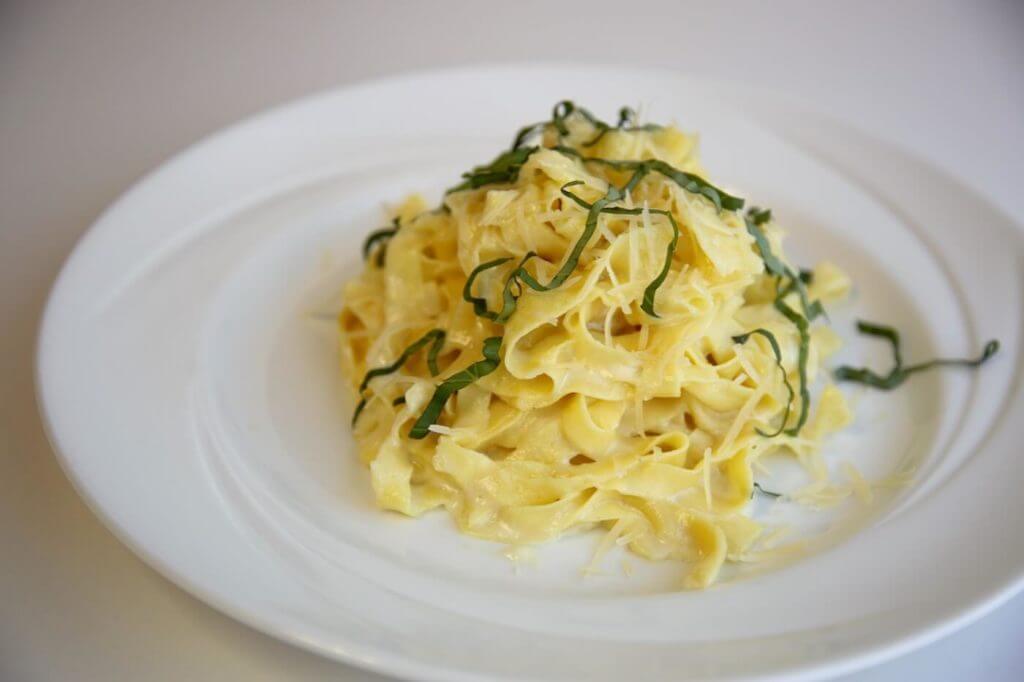
Bechamel is often used as a sauce on its own, but it can also be used as the base of another sauce such as a mornay, a cheesy version of bechamel, or a soubise, a bechamel sauce enriched with cooked onions.
In traditional French and Italian recipes, you will see bechamel both standing alone and supporting other sauces or gravies.
By itself, bechamel may adorn a plate of pasta, a serving of cooked vegetables, or a filet of meat or fish. In more complex dishes like au gratins, a layer of bechamel can be used to bind ingredients such as potatoes and cheese together for more richness and texture.

How to Make the Perfect Bechamel
Before you begin cooking, gather your ingredients. The practice of preparing your ingredients and tools before cooking is referred to in French cooking as “mise en place.” This will allow you to control the speed of your cooking to prevent your bechamel from thickening too much or worse, breaking.
The quality of your ingredients is also important, as is often the case in French cuisine. Choose a minimally processed butter with a high fat content for an indulgent, creamy bechamel; European-style butter is often best. Organic milk or milk from grass-fed cows is not necessary, but you may find that you prefer the flavor. And of course, season with your favorite salt.
Try this foolproof recipe to make a bechamel.
Bechamel Sauce: Steps and Ingredients
You will need:
- 2 tbsp butter
- 2 tbsp all purpose flour
- 1 cup milk (room temperature or warm)
- Salt and pepper to taste
To combine, follow these steps:
- Add butter to a medium-sized saucepan and place over medium heat. Allow to melt.
- Sprinkle in flour and whisk constantly, scraping the bottom to prevent burning. Allow butter and flour paste, a white roux, to cook until butter is fragrant, and the smell of flour has dissipated. It should be lightly golden in color.
- Add milk slowly to the roux, whisking constantly until there are no lumps. Let simmer to allow sauce to thicken to almost desired consistency—sauce will thicken as it cools, so don’t simmer too long. Remove from heat.
- Optional: Strain sauce through a chinois or mesh strainer to remove any clumps.
- Season to taste. If sauce is too thick, add warmed milk and whisk. If too thin, simmer longer.
- Serve cooled or hot depending on recipe and preference.

Mastering Sauces and More
As a home chef, being able to create a rich and smooth bechamel for any dish can make you feel triumphant. And if you’re serious about cooking, the French Mother sauces are a great place to start.
As you get more comfortable in the kitchen and explore classic and traditional recipes, you may want to think about making cooking more than a hobby. A culinary degree or diploma from Auguste Escoffier School of Culinary Arts can help lay the foundation for a career as a culinarian.
To learn more about French cuisine and fine dining, read these articles next:
- What Spices Are Used in French Cooking?
- How To Make Velouté
- How To Make Espagnole Sauce
This article was originally published on December 10, 2014, and has been updated.
The post How To Make Bechamel Sauce appeared first on Escoffier Online.


 Photo by Jessica Pescush


 Total Time: 10 minutes
  Yield: About 4 cups