
The post HSK 3 Week 26: Words 426-430 appeared first on Written Chinese.
HSK 3 Week 25: Words 421-425
The post HSK 3 Week 25: Words 421-425 appeared first on Written Chinese.
The New HSK (2022): An Overview and What’s Changed
The HSK is an official, standard Chinese proficiency test used in international Chinese language education. Starting July 2021, the New HSK standard will replace the previous six-level model. The New HSK 3.0 has a more specific classification system, including both levels and bands. Comparing the difficulty and quantity of words required for all four-dimension benchmarks (syllables, characters, vocabulary, and grammar), the New HSK is more rigorous than the old one. Here is a brief overview of the New HSK and how it differs from the old HSK.
General Overview of New HSK quantitative criteria:
|
NEW HSK |
|||||
|---|---|---|---|---|---|
|
Level |
Band |
Syllable |
Character |
Vocabulary |
Grammar |
|
Elementary |
1 |
269 |
300 |
500 |
48 |
|
2 |
468 |
600 |
1272 |
129 |
|
|
3 |
608 |
900 |
2245 |
210 |
|
|
Intermediate |
4 |
724 |
1200 |
3245 |
286 |
|
5 |
822 |
1500 |
4316 |
357 |
|
|
6 |
908 |
1800 |
5456 |
424 |
|
|
Advanced |
7 / 8 / 9 |
1110 |
3000 |
11092 |
572 |
|
Total |
1110 |
3000 |
11092 |
572 |
|
Why the New HSK 3.0?
1. The new HSK classifies learners’ Chinese proficiency more precisely because it includes has three stages and nine levels. It uses four basic Chinese language elements (syllables, characters, vocabulary, and grammar) as well as verbal communication skills, and situational exercises to form its evaluation dimensions, which determine learners’ Chinese proficiency accurately.
2. The New HSK will align with other international guidelines, such as CEFR (Common European Framework of Reference for Languages) and ACTFL (American Council on the Teaching of Foreign Languages).
3. It fully reflects the elements required for language competency. Besides listening, reading, and writing, skills such as speaking, handwriting Chinese characters, and translation will also be tested.
4. The newly added advanced level in the new HSK, from Band 7 to Band 9, is designed for learners who major in Chinese language and literature or sinologists. If you want to study for a master’s degree or Ph.D. in Chinese, or just want to challenge yourself, this new HSK is for you.
About the HSK and its history
HSK refers to the Hànyǔ Shuǐpíng Kǎoshì, the official, standard Chinese proficiency test, which came about in 1992 and was organized by Hànbàn, an affiliation of the Ministry of Education of China, which is also in charge of the Confucius Institutes worldwide. The HSK test is held regularly in China and other countries each year. It`s the most widely accepted Chinese language test in the world.
The original HSK 1.0 version was used from 1990 to 2009. There were 11 ranks and 3 test formats. Since it was criticized for being impractical and using too many obscure historical and cultural references, the current HSK 2.0 version came out in 2010. There was a huge reformation of the ranking system, from the original 11 levels to 6 levels. The HSK 2.0 was quite successful thanks to its lowered requirements and gentle learning curve. However, the 2.0 version does not correspond to other 6-level systems, like the Common European Framework of Reference for Languages (CEFR). In 2021, the HSK 3.0, also known as the New HSK, was just introduced and included new standards.
The main differences between the current HSK and the New HSK
1. The New HSK has a more specific level classification
The old HSK had 6 levels, while New HSK has 3 levels, each including 3 distinct bands. Unlike the current HSK, the New HSK has three more bands for ranking advanced learners.
|
NEW HSK 3.0 |
CURRENT HSK 2.0 |
|||
|---|---|---|---|---|
|
Level |
Band |
Required Vocabulary |
Required Vocabulary |
Level |
|
Elementary |
1 |
500 |
150 |
1 |
|
2 |
1272 |
300 |
2 |
|
|
3 |
2245 |
600 |
3 |
|
|
Intermediate |
4 |
3245 |
1200 |
4 |
|
5 |
4316 |
2500 |
5 |
|
|
6 |
5456 |
5000 |
6 |
|
|
Advanced |
7 / 8 / 9 |
11092 |
/ |
/ |
Access New HSK Vocabulary List here >>
2. The four-dimension benchmarks of the New HSK
The New HSK uses four basic Chinese language elements to form its Four-dimension Benchmarks, which accurately determine learners’ Chinese proficiency. These benchmarks include syllables, characters, vocabulary, and grammar. Each level and band have its own specific requirements for each dimension.
|
Four-dimension Benchmarks |
|||
|---|---|---|---|
|
Syllables |
Characters |
Vocabulary |
Grammar |
3. The increased difficulty of New HSK standard
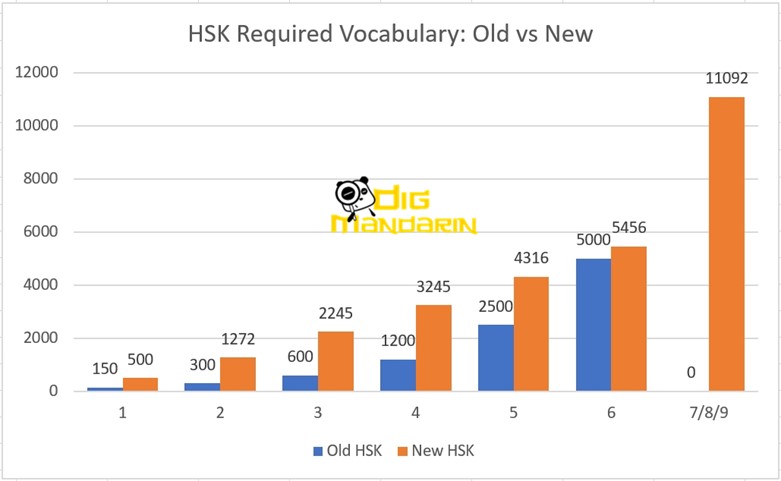
Compared to the current HSK 2.0, there is an obvious increase in the difficulty and number of words required for each band. In other words, if you took the current HSK 3 test and passed, that only equals the New HSK elementary level band 1/2. Many new words have been added, and also some outdated and less-frequently used words have been dropped from the list.
4. New skills required for the New HSK
The New HSK requires learners to master five verbal communication skills: listening, speaking, reading, writing, and translation. Students need to be able to apply these five abilities to talk about different topics in various situations in Chinese.
Handwriting Chinese characters and translation have been newly added.
The test requires learners to be able to COPY the required characters at Band 1 ~ 3 and even sets a minimum speed for copying them. So, it makes learning to write Chinese characters a MUST, even for those who weren’t interested in learning.
The New HSK standards also require learners to have spoken and written translation skills starting at band 4.
|
Characters Handwriting Requirement |
|||||||
|---|---|---|---|---|---|---|---|
|
Band |
1 |
2 |
3 |
4 |
5 |
6 |
7-9 |
|
Required Handwriting Characters |
100 |
200 |
300 |
100 |
250 |
400 |
500 |
|
Handwriting Speed |
≥10 characters per minute |
≥15 characters per minute |
≥20 characters per minute |
/ |
/ |
/ |
/ |
When will the HSK tests change?
For HSK 1-6, the current tests and classification will not change recently. Thus, the current HSK learning materials and courses still work for all learners at DigMandarin. The New HSK 3.0 HSK 1-6 will adjust accordingly in the future 3-5 years. Once all the changes are released officially, we will keep you updated immediately. For more about the current HSK, you can check and know it here: The HSK Complete Guide (Level 1-6)
HSK Advanced level (Band 7-9) will be
introduced as testing on Dec. 2021, while the official test will work on March
2022.
What does this mean for the learners
> For all learners in general
In a word, for all learners and test-takers, it is becoming more challenging to learn Chinese. There are more required vocabulary words, grammar concepts, and general content in each band, but it is also more adapted to the current world. More new and practical words have been added, while some outdated or rarely used words have been dropped, meaning it is up to date and useful for learners in real life. It’s easier for learners to use the same language skills in daily life and for academic tests. What’s even more important, the learning process becomes more fun and practical with modern learning materials.
> For the current HSK test takers
If you have already taken the current HSK 2.0 tests, it’s totally okay. The only difference is that the current HSK levels are not equivalent to the new HSK. The current HSK levels 1 to 3 are regarded as the new HSK’s elementary level Band 1/2, while there are three bands in the new HSK that are divided evenly between levels 5 and 6 of the old HSK.
Besides the old HSK’s listening, reading and writing requirements, you need to pay attention to and start practicing handwriting Chinese characters and translation, which you will be tested on too.
> For advanced learners
For those who have passed level 6 of the current HSK and felt aimless, you can start setting your sights on new learning goals now, such as being a certificated advanced learner. The new HSK adds a whole new level for advanced learners and provides corresponding standards and new learning content. The advanced level of the new HSK from Band 7 to Band 9 is designed for learners who major in Chinese language and literature or sinologists. You will also be tested on your translation ability then. If you take the new HSK’s advanced level test, your band would be determined based on your score.
> For those who don’t want to learn Chinese characters
Unlike level 1 and level 2 of the current HSK 2.0, learning to handwrite Chinese characters is a must for the new HSK. Learners should learn to write characters from the very beginning and be able to master characters’ stroke order and writing rules as well as punctuation rules. Basic Chinese writing skills are also required. Besides character writing accuracy, there is also a minimum writing speed required in each band.
We’ll always continue to update it with the latest information, including new HSK test timing, formats, and learning resources at Dig Mandarin. Make sure you subscribe to us and stay tuned!
New HSK levels in detail
Elementary Level (Band 1-3)
Target:
Understand simple texts and hold basic and
routine conversations requiring a simple exchange of information in daily, academic,
professional and social contexts.
Understand basic knowledge of Chinese culture and master simple social interaction strategies to help with communication.
Requirements:
| Syllables | Characters | Vocabulary | Grammar | Handwriting |
| 608 | 900 | 2245 | 210 | 300 |
Band 1
Verbal communication skills:
Be able to communicate and have brief, basic
social interactions on familiar topics.
Topics:
Personal information, daily routines, food,
transportation, hobbies, etc.
Tasks:
Use polite words and sentences in different
social situations.
Be able to recognize simple information in
a public environment and make inquiries and confirmations.
Requirements:
| Syllables | Characters | Vocabulary | Grammar | Handwriting | |
| 269 | 300 | 500 | 48 | 100 |
≥10 characters per minute |
| Listening |
Learners should be able to understand all the required topics and tasks for Band 1, including simple dialogues (≤80 words) including basic words or simple sentences. The dialogue will be at a pace of least 100 characters per minute. Understand basic information with the help of pictures, objects, etc. |
| Speaking |
Master all required syllables for Band 1 and pronounce them correctly. Use the vocabulary and grammar from Band 1 to hold interactions and speak about various topics. Have simple dialogues with commonly used words and sentences. |
| Reading |
Be able to read the required syllables, characters and vocabulary. Understand texts (≤100 characters) on required topics. Recognize daily signs and get basic information from simple notes, files and maps. Read at a speed of at least 80 characters per minute. |
| Writing |
Master 100 characters from the required handwriting list. Be able to copy the characters correctly with a handwriting speed of at least10 characters per minuteUnderstand stroke order and character writing sequence, as, as well as basic punctuation. Be able to fill out basic personal information and write notes with simple words and sentences. |
Band 2
Verbal communication skills:
Be able to communicate briefly and have
basic social interactions on familiar topics.
Topics:
Simple social interactions, family, study
plan, shopping, dining, personal feelings, etc.
Tasks:
For instance,
Order in a Chinese restaurant and talk
about it with friends.
Recognize and fill in personal information on
a school enrollment form.
Requirements:
| Syllables | Characters | Vocabulary | Grammar | Handwriting | ||
| Total | 468 | 600 | 1272 | 129 | 200 |
≥15 characters per minute |
| New | 199 | 300 | 772 | 81 | 100 | |
| Listening |
Understand all the required topics and tasks from Band 2, including daily speech or dialogues (≤150 words) based on simple sentences and some compound sentences. The dialogue will be at a pace of at least 140 characters per minute Understand basic information with the help of gestures, facial expressions, etc. |
| Speaking |
Master all required syllables from Band 2 and pronounce them correctly. Use the vocabulary and grammar from Band 2 to hold interactions and speak about various topics Have dialogues and social interactions and make statements with simple sentences. |
| Reading |
Be able to read the required syllables, characters and vocabulary. Understand texts (≤200 characters) on required topics with the help of pinyin, illustrations and a dictionary. Understand information from introductory or narrative materials and understand regular notes, emails, etc.Read at a speed of at least 100 characters per minute. |
| Writing |
Master 200 characters from the required handwriting list. Be able to copy the characters correctly with a handwriting speed of at least 15 characters per minuteUnderstand stroke order and character writing sequence, as, as well as basic punctuation. Write basic information on topics such as personal life and studies with simple sentences within the allotted time. (≥100 characters) |
Band 3
Verbal communication skills:
Be able to communicate and complete daily
social interactions on basic topics such as daily life, studies and work.
Topics:
Travel, courses, entertainment, festivals
and customs, education, occupations, etc.
Tasks:
Talk about travel plans and customs of traditional
festivals such as the Spring festival.
Be able to give formal invitations orally
or in writing and respond to other’s invitations.
Requirements:
| Syllables | Characters | Vocabulary | Grammar | Handwriting | ||
| Total | 608 | 900 | 2245 | 210 | 300 |
≥20 characters per minute |
| New | 140 | 300 | 973 | 81 | 100 | |
| Listening |
Understand all the required topics and tasks from Band 3, including daily speech or dialogues (≤300 words) based on long simple sentences and simple compound sentences. The dialogue will be at a pace of at least 180 characters per minute which is close to normal speaking speed. Understand key information with the help of voices, intonation, changes in speaking speed, etc. |
| Speaking |
Master all required syllables for Band 3 and pronounce them correctly. Use the vocabulary and grammar from Band 3 to hold interactions and speak about various topics Be able to communicate or discuss with comparatively complex sentences. |
| Reading |
Be able to read the required syllables, characters and vocabulary. Understand texts (≤300 characters) on required topics. Understand simple compound sentences and the general meaning and details of narrative and illustrative materials.Understand the meaning of new words with dictionaries and possess the ability of skimming and skipping reading.Read at a speed of at least 120 characters per minute |
| Writing |
Master 300 characters from the required handwriting list. Be able to copy the characters correctly with a handwriting speed of at least20 characters per minuteMaster stroke order and character writing sequence, as, as well as basic punctuation. Be able to have simple written communication and be able to write emails, announcements and narrative compositions fluently and clearly within the allotted time. (≥200 characters) |
Intermediate (Band 4-6)
Target:
Understand materials covering various
topics and have conversations fluently. Be able to express oneself in
paragraphs about topics such as daily life, work, occupations, culture, etc.
Know how to apply common social strategies and have a good knowledge of Chinese
culture.
Requirements:
| Syllables | Characters | Vocabulary | Grammar | Handwriting | |
| Total | 908 | 1800 | 5456 | 424 | 700 |
| New | + 300 | + 900 | + 3211 | + 214 | + 400 |
Band 4
Verbal communication skills:
Possess standard listening, speaking,
reading, writing skills, as well as basic translation skills. Be able to have a
complete and effective conversations on the topics such as daily life, studies,
work, etc.
Topics and tasks:
Community life, health, school life, daily
work, animals, plants, etc.
Be able to perform tasks related to the
above topics. For instance, describe your health issues when seeing a doctor,
write a simple advertisement for a part-time job, respond to other’s
inquiries.
Requirements:
| Syllables | Characters | Vocabulary | Grammar | Handwriting | |
| Total | 724 | 1200 | 3245 | 286 | 100 |
| New |
+ 116 |
+ 300 |
+ 1000 |
+ 76 |
| Listening |
Understand the required topics and tasks for Band 4, including informal dialogues or speeches (≤400 words) with a natural, authentic intonation, at a normal speaking speed – about 180-200 characters per minute.Understand hidden meanings such as sarcasm or humor, and consider cultural knowledge while listening.Be able to discern accurate information, even if there might be redundancies or unnecessary pauses in someone’s speech. |
| Speaking |
Master all required syllables for Band 4 with correct pronunciation and natural intonation.Use the vocabulary and grammar from Band 4 to hold interactions and speak about various topics Be able to use some complex sentences to describe situations, make statements and express feelings in paragraphs fluently and accurately. |
| Reading |
Be able to read the required syllables, characters and vocabulary. Understand texts (≤500 characters) on required topics and tasks. Understand key information from narrative, explanatory and argumentative texts.Possess strong reading skills, including skimming, guessing and associating.Read at a speed of at least140 characters per minute. |
| Writing |
Master 100 characters from the required handwriting list. Have a complete understanding of characters’ structure.Be able to use different patterns to compose paragraphs and compose simple narrative and explanatory texts within the allotted time. (≥300 characters) |
| Translation |
Possess basic translation skills. Be able to translate content from Band 4’s required topics completely and recognize its related culture. Be able to perform fluent oral interpretation in informal settings. Be able to accurately translate simple written narrative and explanatory content. |
Band 5
Verbal communication skills:
Possess standard listening, speaking,
reading, and writing skills, as well as basic translation skills. Be able to
have complete fluent and effective conversations on topics such as complicated
situations related to daily life, studies, work, etc.
Topics and tasks:
Social interactions, lifestyle, study
methods, nature, social phenomena, etc.
Be able to perform tasks related to the
above topics. For instance, exchange opinions over common social phenomena,
reply to emails or describe your study methods and suggestions.
Requirements:
| Syllables | Characters | Vocabulary | Grammar | Handwriting | |
| Total | 822 | 1500 | 4316 | 357 | 250 |
| New | + 98 |
+ 300 |
+ 1071 |
+ 71 |
| Listening |
Understand the required topics and tasks from Band 5, including informal and formal dialogues or speeches (≤500 words) with a natural, authentic intonation at anormal speaking speed – about 200-220 characters per minute.Understand culture related to the dialogue or speech.Be able to discern accurate key information and some details, even if there might be redundancies or unnecessary pauses in someone’s speech. |
| Speaking |
Master all required syllables from Band 5 with correct pronunciation and natural intonation.Use the vocabulary and grammar from Band 5 to hold interactions and speak about various topics. Be able to use paragraphs with complex structures to describe things, express personal opinions and convey complex feelings logically and appropriately. |
| Reading |
Be able to read the required syllables, characters and vocabulary. Understand texts (≤700 characters) on required topics. Be able to understand main points and arguments from narrative, explanatory and argumentative texts over your own comments and thoughts. Understand hidden meanings and cultural factors by reading between the lines and making logical references. Possess strong reading skills including skimming, guessing, associating and searching for information.Read at a speed of at least characters per minute. |
| Writing |
Master 250 characters from the required handwriting list. Be able to analyze the common characters’ structures.Be able to use complex structures to write paragraphs and compose regular narrative, explanatory and simple argumentative texts within the allotted time. (≥450 characters) Know basic writing styles |
| Translation |
Possess basic translation skills. Be able to translate the content from Band 5’s required topics completely and handle with its related culture. Be able to perform fluent oral interpretation in informal settings. Be able to translate normal written narrative and explanatory content accurately. |
Band 6
Verbal communication skills:
Possess standard listening, speaking,
reading, and writing skills, as well as regular translation skills. Be able to
have a complete fluent, rich and decent discussion on topics such as work and
professional level studies.
Topics and tasks:
Social interactions, business issues, contradictions,
social news, cross-cultural comparison, etc.
Be able to perform tasks related to the
above topics. For instance, talk about historical and cultural differences in
informal settings, understand social news and make remarks.
Requirements:
| Syllables | Characters | Vocabulary | Grammar | Handwriting | |
| Total | 908 | 1800 | 5456 | 424 | 400 |
| New |
+ 85 |
+ 300 |
+ 1140 |
+ 67 |
| Listening |
Understand the required topics and tasks from Band 6 (≤600 words count) with a natural, authentic intonation and accent at a normal or somewhat fast speaking speed – about 220-240 characters per minute.Be able to understand someone’s real intentions and related cultural factors, even if there might be speech impediments or problems in someone’s speech. |
| Speaking |
Master all required syllables from Band 6 with correct pronunciation and natural intonation.Use the vocabulary and grammar from Band 6 to hold interactions and speak about various topics Be able to use paragraphs with complex structures to speak smoothly, describe situations accurately, discuss and negotiate fluently and fully convey personal feelings and opinions logically and appropriately. |
| Reading |
Be able to read the required syllables, characters and vocabulary. Understand texts (≤900 characters) on required topics. Follow the structure of language materials, understand the content accurately, and get main points and information.Be able to speculate hidden information and understand related cultural context.Possess strong reading skills including skimming, guessing, associating and searching for information.Read at a speed of at least 180 characters per minute. |
| Writing |
Master 400 characters from the required handwriting list. Analyze Chinese characters’ structures expertly.Be able to use long and complex structures to write paragraphs and compose regular narrative, explanatory and argumentative texts within the allotted time. (≥600 characters) Know common writing styles and skills, as well as rhetoric. |
| Translation |
Possess general translation skills. Be able to translate content related to Band 6’s required topics completely and reconcile the complete content with Chinese language.Deal with related cultural context properly. Be able to perform fluent oral interpretation in informal settings, and correct yourself quickly.Be able to translate normal written narrative, explanatory and argumentative content accurately. |
Advanced (Band 7-9)
Target:
Understand complicated materials on various
topics in various formats, and have deep discussions. Be able to express
oneself with appropriate language and discuss complex topics such as social
life and academic studies logically and reasonably. Know how to apply common
social strategies and have a good knowledge of Chinese culture as well as
cross-cultural interaction skills.
Requirements:
| Syllables | Characters | Vocabulary | Grammar | Handwriting | |
| Total | 1110 | 3000 | 11092 | 572 | 1200 |
| New | + 202 | + 1200 | + 5636 | + 148 | + 500 |
Notes:
The newly added Bands 7 – 9 are for those aiming
to get a degree from the University of China, professional Chinese language
learners, those who work with Chinese professionally, or those who truly want
to challenge themselves.
There is one HSK exam for Bands 7-9 of the
advanced level. The student’s level will be determined by their score.
Band 7
Verbal communication skills:
Possess excellent listening, speaking,
reading, writing skills, as well as elementary professional translation skills.
Be able to have a complete standard, rich and appropriate conversation about broad
and high-level topics.
Topics and tasks:
Social interactions, science and technology,
literature, sports, mental health, major courses, etc.
Be able to perform tasks related to the
above topics. For instance, communicate with participants at a formal
conference or understand the learning materials of a major course and complete
assignments.
Requirements:
| Listening |
Understand the required topics and tasks from Band 7 (≤800 words) with a normal or somewhat fast speaking speed.Be able to understand the main facts and perspectives accurately and understand the inner structure and related social and cultural implications, even if there might be environmental disturbances. |
| Speaking |
Use the required syllables, vocabulary, and grammar from Band 7 to perform tasks and speak about various topics Be able to use complex structures in discourse to express personal opinions, discuss and negotiate fluently and logically. Speak in different styles based on the situation and use rhetorical methods to enhance expression. Possess accurate pronunciation, natural intonation, fluent expression and strong logic.Have a strong sense for cross-cultural interaction. |
| Reading |
Be able to read the required syllables, characters and vocabulary. Understand texts in different writing styles on required topics.Read at a speed of at least 200 characters per minute.Have some understanding of Chinese ways of thinking and expression habits. Understand related culture content.Possess strong reading skills and be able to search information independently. |
| Writing |
Master the required handwriting list. Be able to write narrative, explanatory, argumentative and professional essays with clear perspective and logic using correct formats and appropriate expression.Know common writing styles and skills, as well as rhetoric. |
| Translation |
Possess elementary professional translation skills. Be able to translate content related to Band 7’s required topics completely and accurately.Fluently perform consecutive and accompanying interpretation on formal occasions.Be able to translate narrative, explanatory and argumentative essays accurately with correct formatting. |
Band 8
Verbal communication skills:
Possess excellent listening, speaking,
reading, and writing skills, as well as elementary professional translation
skills. Be able to have a complete standard, rich and appropriate conversation on
broad and high-level topics.
Topics and tasks:
Linguistics and language, politics and
economics, legal issues, philosophy, history, etc.
Be able to perform tasks related to the
above topics. For instance, have deep discussion on topics such as philosophy,
regions and news, be able to express opinions, make inquiries and appeal when
confronting dissension.
| Listening |
Understand the required topics and tasks from Band 8, such as professional lectures and special news, (≤800 words) with a normal or somewhat fast speaking speed.Be able to summarize main points, understand details accurately, and understand the logical structure, even if there might be environmental disturbances and obstacles. |
| Speaking |
Use all required syllables, vocabulary and grammars from Band 8 to perform tasks and speak about various topicsPossess the ability to express oneself clearly in discourse and have flexible use of the language.Be able to have speeches and simultaneous debates to fully and appropriately express oneself. Possess accurate pronunciation, natural intonation, fluent expression and strong logic.Use proper rhetorical methods to enhance oral expression and have cross-cultural interaction skills. |
| Reading |
Be able to read the required syllables, characters and vocabulary. Understand texts in different writing styles on the required topics.Read at a speed of at least 220 characters per minute.Generally master Chinese ways of thinking and expression habits. Understand related culture and thoughts accurately.Possess strong reading skills and be able to find language problems and logic defects in the articles. |
| Writing |
Master the required handwriting list. Be able to write narrative, explanatory, argumentative and professional essays with clear perspective and logic using correct formats and appropriate expressions.Use various idioms, slang and rhetoric correctly. |
| Translation |
Possess elementary professional translation skills. Be able to translate content related to Band 8’s required topics completely and accurately.Fluently perform consecutive interpretation of professional content on formal occasions and also adapt it to Chinese expression habits.Be able to translate long narrative, explanatory and argumentative essays accurately and follow the original version’s rhetoric and style. |
Band 9
Verbal communication skills:
Possess excellent listening, speaking,
reading, and writing skills, as well as professional translation skills. Be
able to have a standard, fluent and appropriate conversation on various topics
and occasions with different skills.
Topics and tasks:
Academic research, policy and regulation,
trade, international affairs, etc.
Be able to perform tasks related to the
above topics. For instance, debate and negotiate with business partners in
formal settings and be able to understand files related to policy, regulations
and research reports, as well as make relevant remarks.
| Listening |
Understand the materials on required topics from Band 9 (≤800 words) with a normal or somewhat fast speaking speed.Be able to analyze and speculate information, understand related social and cultural implications correctly. |
| Speaking |
Be able to use all required syllables, vocabulary and grammars from Band 9 toto perform tasks and speak about various topics. Possess the ability to express oneself clearly in discourse and have flexible use of the language.Be able to accurately and appropriately express oneself fully. Possess accurate pronunciation, natural intonation, rich expression and strong logic. Use rhetorical methods flexibly to enhance oral expression and have strong cross-cultural interaction skills. |
| Reading |
Be able to read the required syllables, characters and vocabulary. Understand texts in different writing styles on required topics Read at a speed of at least 240 characters per minute.Generally master Chinese ways of thinking and expression habits. Understand related culture and thoughts accurately.Be able to use various reading skills comprehensively. |
| Writing |
Master the required handwriting list. Be able to write a degree thesis and different forms of literature with clear perspective and logic using correct formats and appropriate expressions.Use various structures and rhetoric correctly. Make the writing rich and beautiful. |
| Translation |
Possess professional translation skills. Be able to translate content related to Band 9’s required topics completely and accurately.Fluently perform simultaneous interpretation of professional content on formal occasions.Be able to translate articles and different forms of literature accurately and follow the original version’s rhetoric and style. |
The post The New HSK (2022): An Overview and What’s Changed appeared first on .
The Best Chinese Language Learning Apps (2022)
Which mobile app do Chinese learners find to be the most helpful? There are a ton of amazing Chinese learning Android and iOS apps out there. However, their usefulness is usually limited to the goals and habits of those who are using them. The key to learning with these apps is to find what works for you, and what doesn’t. Accordingly, you can then separate these apps by their strengths and weaknesses, their purposes and their main training targets, which will save you time and energy that you can then give to proper learning.
So here it is, my dear readers, my recommendations of the best Chinese language learning apps that are available right now. Some of these apps may be a surprise, while some are quite popular. Make sure to return to this article from time to time as we will be constantly updating it with the latest apps we will test.
The Best Apps to Learn Chinese ( by function)
- Chinese Reading Apps
- Chinese Characters Apps
- Chinese Dictionary Apps
- Chinese Listening Apps
- Gamification Apps
- Chinese Speaking Apps
Chinese Reading Apps
Du Chinese
Du Chinese is a revolutionary app will help you to improve your Chinese reading skills.
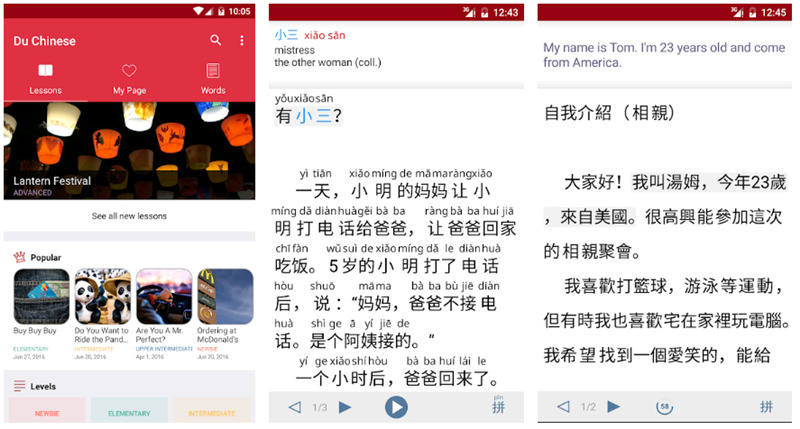
I am impressed by the clean design and user interface. It is easy to use and loading material takes only seconds. You can read by yourself or listen to an audio recording and read along. The characters and pinyin layout look very comfortable. You can easily turn the pinyin on and off and switch Chinese characters between Simplified and Traditional. It supports English translations for single words and sentences. All sentences have been carefully translated and they stay as true as possible to the original Mandarin.
The reading material topics are quite interesting, covering daily conversations, Chinese culture, current events,the latest trends, funny stories, and regular life in China. They are marked by difficulty, ranging from newbie to master. Each session is also labelled from HSK level 1 ~ 6+. It is easy to find material for your level.
Save 10% on your subscriptions to Du Chinese with the promo code “DIG10”.
Chinese Characters Apps
Skritter
Skritter does really well with teaching correct stroke order and focusing on the muscle memory that should be formed when learning new characters. The lists of vocabulary are expansive, and I can really appreciate that the vocabulary are taken straight from textbooks. This would be a useful resource for language learners who are using a particular textbook in their classes. They could look up if their textbook is in the database, and draw vocabulary right from there. It offers lists from 393 different books. The lists are organized by popularity, learner level, and alphabetically. You simply chose a list and start learning.
Another great feature Skritter offers is the ability to track your progress. They keep track of how many characters are introduced, how many are practiced, and how many are memorized. You can also study the words offline, and the progress will be synced when connected again. You can look up your progress by the day, week, month, and year.
Zizzle
If you have trouble memorizing Chinese characters, then Zizzle will definitely help you.
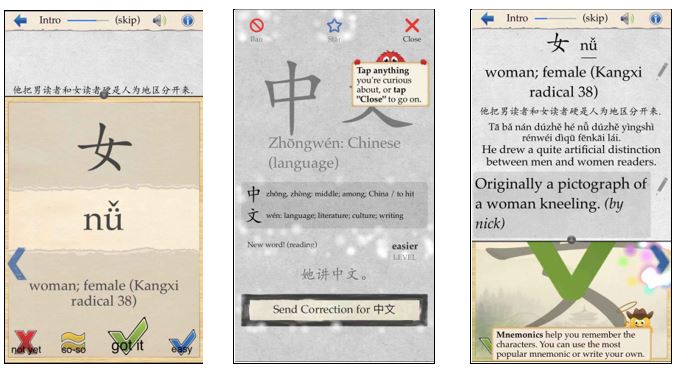
This app breaks down characters into their component parts. Then, they use images and a short story to help you remember these components. Most of the stories are ridiculous or funny enough to be memorable. Each tone is represented by a certain animal which helps you remember the character. It also teaches characters that build up from smaller to more complex characters in a logical way.
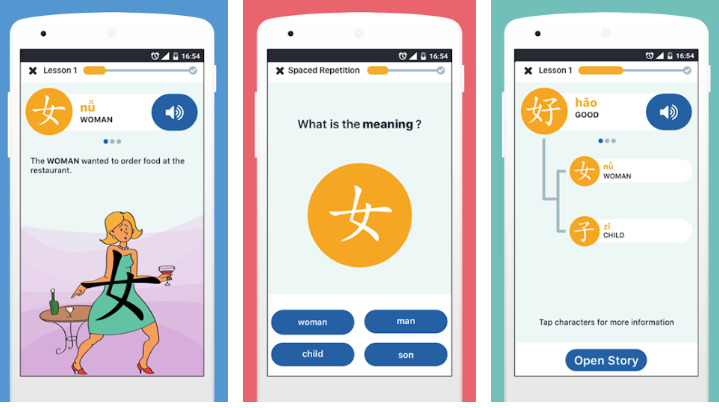
I am in love with this app, and its method taught me characters that I have tried and failed to learn in the classroom. It presents an effective, novel, and fun way to learn and memorize Chinese characters. If you are total beginner, I can safely say you will know hundreds of characters in few days and be able to read them confidently.
Use the promo code “DIGMANDARIN10” to save 10% on all three-month and annual subscriptions, as well as packs.
Chinese Dictionary Apps
Pleco
The dictionary app will probably be one of the most useful and frequently used ones for people learning Mandarin; Pleco may be the app most frequently recommended for this function. It allows you to quickly look up a Chinese word or character wherever you are.
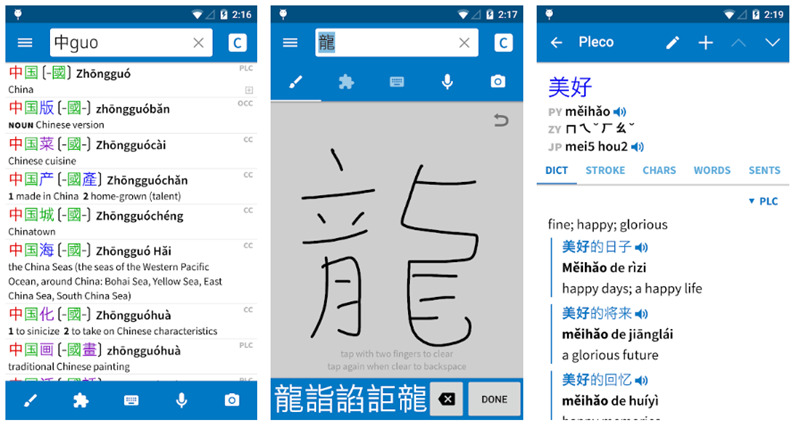
Key features:
- Chinese handwriting recognition: the option to hand write instead of typing in pinyin is very useful when searching for characters you don’t know.
- OCR: it allows you to look up unknown Chinese words ‘live’ using your device’s camera, or tap-lookup words in a still image.
- Stroke order guides: to help you find out how to write the Chinese characters in the proper order.
- Flashcard system: insanely powerful / customizable system, making it extremely easy to add new flashcards from dictionary entries or to import pre-made vocabulary lists.
More translator apps review: the good, the bad, and the absolutely useless
Chinese Listening Apps
Chineseclass101
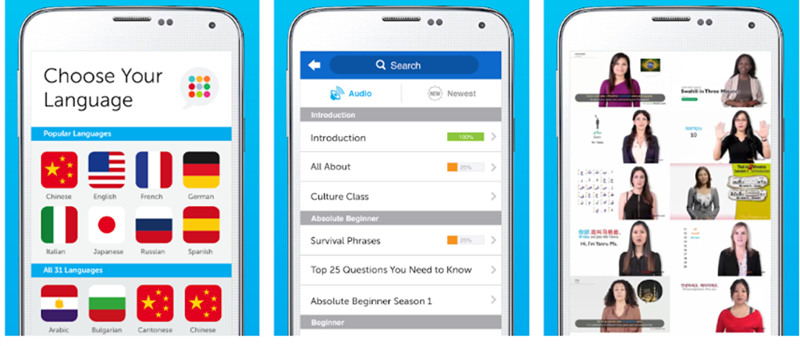
No doubt that Chineseclass101 is one of the most well-structured podcast Mandarin courses available today. With language instruction podcasts, you can improve your pronunciation and boost your listening comprehension skills.
ChineseClass101 has an extensive collection of audio materials covering all levels. By having access to different levels, you can choose the best one for you. Each lesson has notes that include the key grammar point broken down clearly along with Chinese cultural insights. The lesson dialogue will help you understand real life conversations in China and will definitely help you improve your listening skills. It also offers an interactive voice recorder tool, which lets you record your pronunciation and compare it to that of a native speaker.
Chinesepod
Chinesepod is another example of podcast Mandarin app. The quantity of lessons is pretty big. It even has more interactive exercises for learning new words and phrases. In ChinesePod, the amount of Mandarin speech in each lesson is increased step-by-step. Even lessons for Upper-Intermediate students have English explanations which are quite helpful! Advanced students may enjoy the Mandarin-only podcast lessons.
Gamification Apps
Hello Chinese
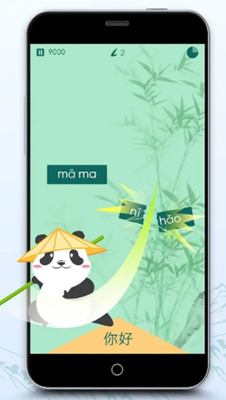
Hello Chinese is a powerful learning tool that can help you overcome the fear of learning Chinese. This app focuses on daily life topics. It starts from basic pinyin, so that even if you are a total beginner or have absolutely no background in Chinese, you can still learn with it. What is special is that this app allows you to listen and record your own voice, and to help you check automatically if your pronunciation is correct. It`s a comparatively easy way to measure your pronunciation. The studying process is not boring. Learners are not overwhelmed with information. Lessons are taught in a very precise and careful manner. What`s more, there are many exercises and quizzes to help you consolidate all that you have learned.
Chinese Speaking Apps
Hello Talk
Have you been learning a new language for a while, and feel like it’s time to start practicing and using it? That’s where Hello Talk can help. It is a language exchange app that has over one million users. It’s easy to find natives from China willing to help you practice Chinese.
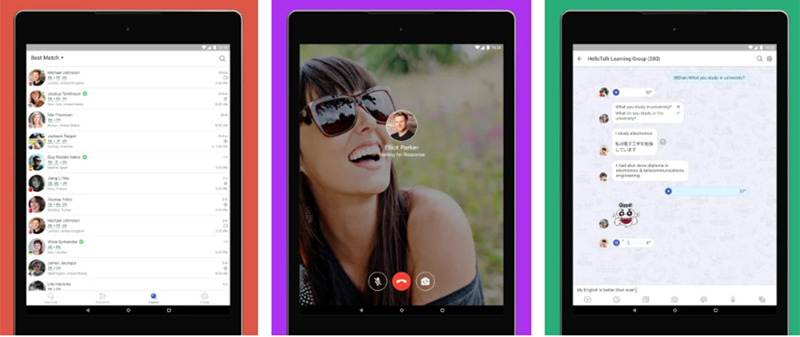
Key features:
- Voice and Text chat
- Moments, like the group chatroom
- Translation and Transliteration: Translation allows you to read in English what someone typed in Chinese in case you didn’t understand it. You can use the transliteration option when a native speaker writes Chinese to you, to instantly see the pinyin.
- Voice recognition system: You can simply speak and the system will attempt to convert that to text to send to your language partner.
These are my top Chinese language learning apps. I bet you also have your own picks. What would you recommend to fellow Chinese learners? What apps do you think are worth the time and the money? Just comment below and let us know your favorites. Maybe your picks will make this list one day!
The post The Best Chinese Language Learning Apps (2022) appeared first on .
7 Major Differences between English and Chinese
There are some important differences between English and Chinese. It is important to be aware of these major differences between the two languages in order to reduce the number of mistakes you make in Chinese and to also make your Chinese better and more fluent. This article discusses 7 of the major differences between English and Chinese.
1. The Appearance – Written Words
The most apparent difference is, no surprise, the written appearance of the language. → Chinese uses characters, which cannot be sounded out, while English words use the alphabet, which allows the speaker to sound out the word because it is a phonetic language. Luckily, for language learners, Pinyin helps by providing a phonetic representation of Chinese characters. Pinyin uses romanized letters, but the sound associated with each is unique to Pinyin. While that may seem like a huge disadvantage, there is another aspect that must be considered. Chinese characters are, in some ways, like a picture. There are elements, called radicals, that hold meaning. So while you can’t sound the character out, you can pull meaning from the character.
If you know that 目(mù) means eye, 水(shuǐ) means water and that 氵is another form of 水 (shuǐ), then it’s easy to figure out that 泪(lèi) indicates the water of the eyes or tears.
Please note that some character components do have sound attached to them. After getting really comfortable with Chinese, you may be able to guess the sound of a character based on the components – but this isn’t a fool-proof way of reading Chinese.
2. Tones
You have probably seen Pinyin before and noticed some lines above a few of the letters. Those are the tones. There are 4 basic tones in Chinese.
Tones are a very unique concept for most of the English speakers. We need to pay attention to them when both listening and speaking!
If you pronounce the same syllable in different tones, the corresponding meanings vary vastly. In English, the intonation indicates emotion, but in Chinese, intonation indicates meaning. Here are some examples of tones and definitions.
/shui jiao/
睡觉 / shuì jiào/ sleep
水饺 / shuǐjiǎo/ dumplings
我可以问(wèn)你吗?vs 我可以吻(wěn)你吗?
May I ask you? vs May I kiss you?
3. Sentence Length
English emphasizes the structure of sentences, while Chinese focuses on the meaning.
In English, it is very common to see one long sentence with long modifiers including pronouns like “we”, “she”, “they” in addition to “that” and “which”, to avoid recurrences. The sentence may be long and complicated, but it is still clear enough to understand. In Chinese, the situation is very different, where a long sentence in Chinese would be very complicated and extremely difficult to understand. Therefore, in Chinese, we can only find short sentences or long sentences divided into short phrases separated by commas.
To conclude, we can say: English sentences are usually long, and Chinese sentences are usually short. When learning Chinese, you should “Get the meaning, forget the words”. Let’s look at some examples here:
The sights of Beijing are so numerous that you can spend several weeks here and leave without having seen all of the important ones.
- 北京的名胜很多,一个人就是在这儿呆上几个星期,离开时也没能把主要的景点看完。
(Běi jīng de míng shèng hěn duō ,yī gè rén jiù shì zài zhè ér dāi shàng jǐ gè xīng qī ,lí kāi shí yě méi néng bǎ zhǔ yào de jǐng diǎn kàn wán.) - The Great Wall traverses plains and mountains, being 1,300 meters above sea level at some points. The wall averages 7.8 meters in height and 5.8 meters in width at the top.
长城跨越平原高山,在某些地方海拔1,300米,平均高7.8米,顶宽5.8米。
(Cháng chéng kuà yuè píng yuán gāo shān,zài mǒu xiē dì fāng hǎi bá 1,300mǐ,píng jūn gāo 7.8mǐ,dǐng kuān 5.8mǐ.) - The computer program is completely in computing mode and will only do computing tasks.
现在,程序的显示区完全处于这种工具的模态中。
(xiàn zài,chéng xù de xiǎn shì qū wán quán chù yú zhè zhǒng gōng jù de mó tài zhōng.)
4. Passive & Active Voice
In English, the passive voice is very commonly used. Unlike English, Chinese usually uses the active voice.
There are ways to show the passive tense in Chinese, and there are more specific words you would use to show that. So let’s take a look at some examples of the active voice in Chinese that translates to the English passive voice:
- Tea is drunk widely all over the world.
世界各地人们都喝茶。
(Shì jiè gè dì rén men dōu hē chá.) - But sometimes the tables were laid outside in the gardens of stately homes.
但有时也把餐桌摆到豪门大宅的花园里。
(Dàn yǒu shí yě bǎ cān zhuō bǎi dào háo mén dà zhái de huā yuán lǐ.) - Parties are held when the weather is nice.
天公作美时可以看到寻常百姓家的野餐。
(Tiān gōng zuó měi shí kě yǐ kàn dào xún cháng bǎi xìng jiā de yě cān.) - Bananas are widely believed to grow on trees.
普遍认为香蕉是结在树上的果实。
(Pǔ biàn rèn wéi xiāng jiāo shì jié zài shù shàng de guǒ shí.)
• It must be pointed out that… 必须指出……(bì xū zhǐ chū)
• It must be admitted that… 必须承认……(bì xū chéng rèn)
• It is imagined that… 人们认为……(rén men rèn wéi)
• It can not be denied that… 不可否认……(bú kě fǒu rèn)
5. The use of Idioms
In Chinese, idioms and short four-character expressions are very widely used to make the language more vivid, live and concise.
English is not so rich in this kind of short idioms and expressions. In English, idioms are used scarcely because it tends to be more specific and direct. Here are some to read and compare:
- Sincere Buddhists take vows of celibacy and abstinence from meat and wine, wearing no fur or woollen garments and shave their heads.
虔诚的僧人立誓禁欲,不沾酒肉,不着皮毛,削发修行。
(Qián chéng de sēng rén lì shì jìn yù,bú zhān jiǔ ròu,bú zhuó pí máo,xuē fà xiū xíng.) - China is a vast country.
中国地域辽阔。
(Zhōng guó dì yù liáo kuò.) - He always looks very funny.
他的样子总是滑稽可笑。
(Tā de yàng zi zǒng shì huá jī kě xiào.) - In retrospect, the past 100 years of human existence have been extremely fantastic, and extremely frightening as well.
回首过去一百年,人类世界可说精彩绝伦,但也惊心动魄。
(huí shǒu guò qù yī bǎi nián ,rén lèi shì jiè kě shuō jīng cǎi jué lún ,dàn yě jīng xīn dòng pò.)
6. Abstract vs Concrete
English widely uses abstract nouns while Chinese usually uses concrete nouns.
This comes from the Chinese philosophy which interprets the human being and his life as a microcosm within the natural macrocosm. Therefore, many abstract terms are expressed in Chinese with concrete objects from the natural world. Here are numerous examples of how this looks and what the Chinese literally means in English:
• Disintegration 土崩瓦解 (tǔ bēng wǎ jiě)
Lit. Landslides and tiles disintegrate
• Total exhaustion 筋疲力尽 (jīn pí lì jìn)
Lit. The muscles are weary and the strength has been used up
• Careful consideration 深思熟虑(shēn sī shú lǜ)
Lit. Deep thinking and careful thought
• Perfect harmony 水乳交融(shuǐ rǔ jiāo róng)
Lit. Mix well like milk and water
• Feed on fancies 画饼充饥(huà bǐng chōng jī)
Lit. To allay one’s hunger using a picture of a cake
• With great eagerness 如饥似渴(rú jī sì kě)
Lit. Like hunger as thirst
• Lack of perseverance 三天打鱼,两天晒网(sān tiān dǎ yú ,liǎng tiān shài wǎng)
Lit. Spent three days fishing and two days drying nets
• Make a little contribution 添砖加瓦(tiān zhuān jiā wǎ)
Lit. Contribute bricks and tiles for a building
• On the verge of destruction 危在旦夕(wēi zài dàn xī)
Lit. The crisis is in the coming daybreak or in the coming dusk.
7. Emphasis
English puts more emphasis on the first part of the sentence while Chinese put the emphasis on the last part of the sentence.
This characteristic is especially apparent in sentences which include logic with drawing conclusions or expression of results. In English, the conclusion is described first, and the facts are described at the end of the sentence. In Chinese, it is the opposite. First, the facts will be described and then the results, conclusions, etc. For example:
- I was most delighted when it proved possible to reinstate the visit so quickly as a result of the initiative of your Government.
由于贵国政府的提议,才得以这样快地重新实现访问。这使我感到特别高兴。
(Yóu yú guì guó zhèng fǔ de tí yì ,cái dé yǐ zhè yàng kuài de chóng xīn shí xiàn fǎng wèn. zhè shǐ wǒ gǎn dào tè bié gāo xìng.) - His assertion that “it was difficult, if not impossible, for a people to enjoy its basic rights unless it was able to determine freely its political status and to ensure freely its economic, social and cultural development” was now scarcely contested.
如果一个民族不能自由地决定其政治地位,不能自由地保证其经济、社会和文化的发展,要享受其基本权利,即使不是不可能,也是不容易的。这一论断几乎是无可置辩的了。
(Rú guǒ yī gè mín zú bù néng zì yóu de jué dìng qí zhèng zhì dì wèi ,bù néng zì yóu de bǎo zhèng qí jīng jì 、shè huì hé wén huà de fā zhǎn ,yào xiǎng shòu qí jī běn quán lì ,jí shǐ bú shì bù kě néng ,yě shì bù róng yì de. zhè yī lùn duàn jī hū shì wú kě zhì biàn de le.)
Conclusion
From the above points, we can clearly see an interesting point that Chinese emphasizes short and clear expressions so that the listener (or reader) will easily get the accurate meaning of the idea expressed. For this aim, Chinese “gives up” long and complicated sentences which are based on grammar and prefer to use simple and short sentences. English sentences tend to be longer because they need to be specific. In addition, Chinese also doesn’t omit repeated words in order to make sure that the listener or reader will not misunderstand the meaning of the sentence.
In my eyes, this is an example of how culture and philosophy may influence a language since the Chinese philosophy and thinking is very pragmatic. English, on the other hand, has a variety of cultures and philosophies where it becomes necessary to elongate the way things are expressed. The other method the Chinese language uses to make expressions the most accurate is using idioms. Idioms are an integral part of Chinese culture and wisdom since almost each of them is a conclusion of a traditional Chinese legend and expresses a sort of insight. I hope you learned a lot about the differences between the two languages and understand how to start comprehending the Chinese language.
The post 7 Major Differences between English and Chinese appeared first on .