
Beijing vs. Shanghai

Beijing and Shanghai are the two biggest and most famous Chinese cities. One is an ancient city known for its cultural icons, while the other is a modern metropolis full of futuristic skyscrapers. So which city is better? Well, you’ll just have to visit them both and decide for yourself! This post is actually all about making comparisons in Chinese. The Beijing vs. Shanghai debate is a good place to begin this lesson, though. Let’s start with a question…
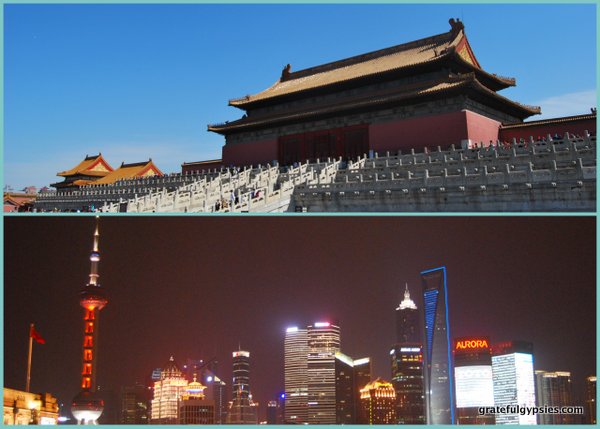
Beijing vs Shanghai

北京比上海好吗?
běi jīng bǐ shàng hǎi hǎo ma
Is Beijing better than Shanghai?

Now let’s break down the question:

  • Beijing (北京 běi jīng)

  • compare (比 bǐ)

  • Shanghai (上海 shàng hǎi)

  • good (好 hǎo)

  • question word (吗 ma)

As you can see, it’s pretty easy to form the question:

Subject 1 + 比 + Subject 2 + Adjective + Question word

Now, how could you answer the question? Well, it depends on which side you’re on! Because I lived in Beijing for five years, of course I’d say…

北京比上海好
běi jīng bǐ shàng hǎi hǎo
Beijing is better than Shanghai.

However, some of my friends who call Shanghai home might disagree:

北京没有上海好
běi jīng méi yǒu shàng hǎi hǎo
Beijing isn’t better than Shanghai.

As you can see, to answer the question positively, you simply drop the question word 吗, and to answer negatively, you simply replace 比 with 没有, meaning “no.”
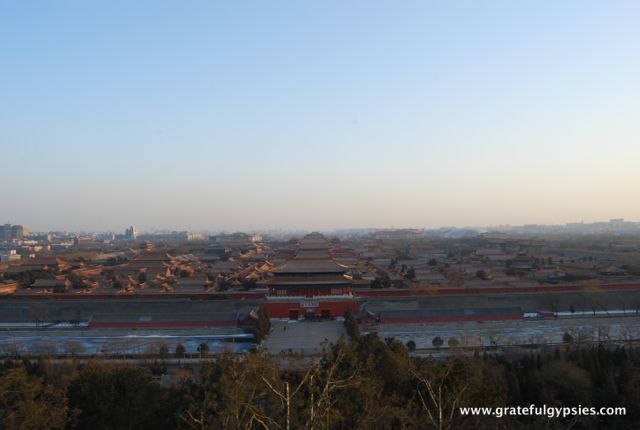
My vote goes to Beijing…

If you can’t travel to both Beijing and Shanghai to decide which one you like more, you can at least check them both out through some of our blog posts and videos! Here are a few of my favorites from over the years:

Ok that’s enough of the Beijing vs. Shanghai debate for today. Let’s get on with the grammar lesson! Here are a few more examples of basic comparisons in Chinese using the character 比:

他比我忙
tā bǐ wǒ máng
He’s busier than me.

篮球比乒乓球有意思
lán qiú bǐ pīng pāng qiú yǒu yì si
Basketball is more interesting than ping pong.

咖啡比茶好喝
kā fēi bǐ chá hǎo hē
Coffee tastes better than tea.

我哥哥比我高
wǒ gē ge bǐ wǒ gāo
My older brother is taller than me.

苹果比香蕉贵
píng guǒ bǐ xiāng jiāo guì
The apples are more expensive than the bananas.

When making comparisons, you can be more specific. Let’s go back to the last example to see how to do that. Imagine you are shopping in the supermarket here in China and you see these signs:

Apples – 15 RMB/1 jin (苹果十五块一斤 píng guǒ shí wǔ kuài yī jīn)
Bananas – 10 RMB/1 jin (香蕉十块一斤 xiāng jiāo shí kuài yī jīn)

Well, you could just say, “the apples are more expensive than the bananas,” but you could also say…

The apples cost 5 RMB more than the bananas.
苹果比香蕉贵五块.
píng guǒ bǐ xiāng jiāo guì wǔ kuài

Here’s another example of a more specific comparison:

I’m 36 years old. My brother is 30 years old.
我三十六岁。 我弟弟三十岁。
wǒ sān shí liù suì. wǒ dì dì sān shí suì.

So, I can say…

I’m 5 years older than my brother.
我比我弟弟大五岁.
wǒ bǐ wǒ dì dì dà wǔ suì
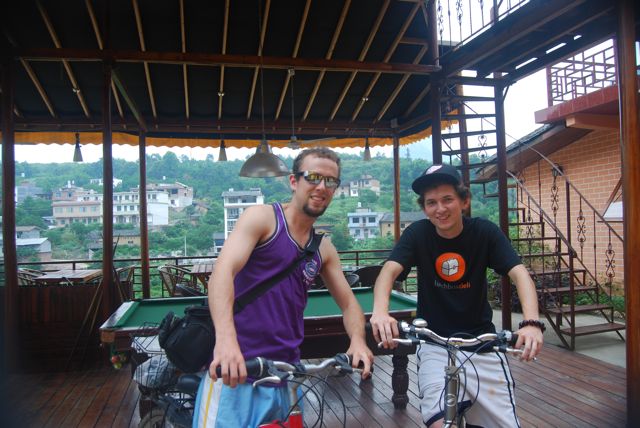
My brother and I in Yangshuo, Guangxi Province. Photo taken and used with permission by Sasha Savinov.

Here are some more examples of making comparisons in Chinese in a video I made a while back:

Take what you’ve learned in this post and try to practice! Make three comparisons in Chinese, and try to answer this question as well:

中文比英文难吗?
zhōng wén bǐ yīng wén nán ma
Is Chinese more difficult than English?

The post Beijing vs. Shanghai first appeared on Chinese Language Blog.
Shanghai Lockdown Continues

One Chinese city has been in the news a lot lately – Shanghai (上海 shànghǎi). That’s because the city has been under an intense lockdown (封锁 fēngsuǒ). This is a result of the strict “zero COVID policy” (清零政策 qīng líng zhèngcè) that China has had in place. In this post, we’ll take a closer look at what’s going on as the Shanghai lockdown continues.

Image by BC Y from Pixabay

It’s been about six weeks since China’s largest city went into strict lockdown due to the Omicron variant. To combat the spread of the virus (病毒 bìngdú), Chinese health officials have implemented a strategy called “dynamic clearing” (动态清零 dòngtài qīng líng).

With cases on the rise back at the end of March, health officials started to place infected people in quarantine (隔离 gélí). They even went so far as to separate infected children from their families, which made international headlines.

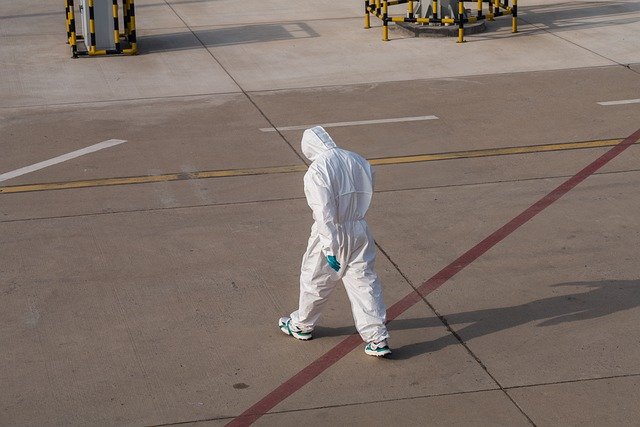
This has led to officials in white hazmat suits (防护服 fánghù fú), referred to as “Big White” (大白 dàbái) by Chinese netizens, to show up at apartment complexes all over the city. Entire blocks have been cleared out due to one positive case. Even people with a negative test result have been forced into quarantine.

One viral video taken by a Shanghai resident shows health officials arriving to take them to a government quarantine facility. When the resident asks why this is happening, the official responds by saying “There is no why” (没有为什么 méiyǒu wéi shén me).

Frustration and anger are starting to mount, as people have been trapped in their homes for weeks. This has led to food shortages (食物短缺 shíwù duǎnquē) as people are unable to leave and online grocery delivery services have been barred from certain areas.

Many of those delivering food are migrant workers (农民工 nóngmín gōng) from rural areas or other provinces. While they are exempt from lockdown measures to do their job, they’re unable to find proper accommodation due to restrictions set in place by apartment complexes. As a result, many of them are currently living on the street.

While the government points to efforts to deliver basic necessities to people, many Shanghai residents have complained that the rations simply aren’t enough. Others have posted pictures of produce they received that was already rotten. In a country with a recent history of famine (饥荒 jīhuang), it’s no wonder many are very worried about the situation.

Many have taken to social media (社交媒体 shèjiāo méitǐ) such as Weibo (微博 wēi bó) to voice their anger, only to have their posts scrubbed by censors. For a brief period, even the word “Shanghai” itself was being censored from searches, as if the city of 25 million ceased to exist.

With this rampant internet censorship, many residents in Shanghai have taken to old-fashioned methods of protest. People have been yelling outside of their windows or banging pots and pans together to attract attention to their dire situation.

Image by Mario Hagen from Pixabay

Xi Jinping, meanwhile, has vowed to “resolutely fight against all words and deeds that distort, doubt, and deny China’s epidemic prevention policies” (坚决同一切歪曲、怀疑、否定中国防疫方针政策的言行作斗争 jiānjué tóng yīqiè wāiqū, huáiyí, fǒudìng zhōngguó fángyì fāngzhēn zhèngcè de yánxíng zuò dòuzhēng).

The Chinese government insists that “Persistence is victory” (坚持就是胜利 jiānchí jiùshì shènglì) in regards to the strict lockdown measures in Shanghai. This comes despite the fact that case numbers have been on the decline for almost two weeks in a row now.

The CCP’s Central Committee had a meeting recently and issued this statement via Xinhua: “We won the defense of Wuhan, and we will definitely win the defense of Shanghai” (我们打赢了武汉保卫战,也一定能够打赢大上海保卫战 wǒmen dǎ yíngle wǔhàn bǎowèi zhàn, yě yīdìng nénggòu dǎ yíng dà shànghǎi bǎowèi zhàn). Click here for the article.

Director-General of the WHO Tedros Adhanom Ghebreyesus said the zero COVID policy is unsustainable (不可持续的 bùkě chíxù de). While much of the world has turned to a strategy of trying to coexist with the virus (与病毒共存 yǔ bìngdú gòngcún), it looks like China is still going full steam ahead on their zero COVID policy.

For a great Chinese reading and listening exercise, check out this article from VOA Chinese and listen to the audio version as you read. This video from Vice News is also worth watching for a closer look at what’s going on:


The post Shanghai Lockdown Continues first appeared on Chinese Language Blog.
free online chinese language learning.
Pronunciation : bào

Meaning :
  1. expose … to the sun. (v)
Radical :
Strokes : 19
Traditional :
Usage : 0.5%
Notes : also as pù
Common Words / Phrases:
1.
曝光
bào guāng

: exposure; make public (a scandal, embarrassment, etc); reveal
Sentences:
1. After the expose he had to take it on the lam.
shì qing bào guāng hòu qián táo

事情 : matter; thing
曝光 : expose
: after
: he
不得不 : have no choice but to; cannot but; have to; can’t avoid
潜逃 : abscond; to slink off
Audios Download:
learn Chinese

The post appeared first on Learn Chinese Everyday – 天天学中文.

free online chinese language learning.
Pronunciation : jiàn

Meaning :
  1. trample. (v)
  2. carry out. (v)
Radical :
Strokes : 12
Traditional : ( Stroke Order )
Usage : 4.9%
Common Words / Phrases:
1.
实践
shí jiàn

: practise
Sentences:
1. Theories always do not accord with practice.
lùn wǎng wǎng shí jiàn

理论 : theory
往往 : always
: and
实践 : practice
不符 : not conform to; not in agreement with
Audios Download:
learn Chinese

The post appeared first on Learn Chinese Everyday – 天天学中文.

free online chinese language learning.
Pronunciation : dài

Meaning :
  1. lend. (v)
  2. take out a loan. (v)
  3. loan. (n)
Radical :
Strokes : 9
Traditional : ( Stroke Order )
Usage : 4.8%
Common Words / Phrases:
1.
贷款
dài kuǎn

: lend; loan
Sentences:
1. He took out a loan from the bank to buy a house.
xiàng yín háng dài kuǎn mǎi fáng

: he
: to; toward
银行 : bank
贷款 : loan
: buy
: house
Audios Download:
learn Chinese

The post appeared first on Learn Chinese Everyday – 天天学中文.