Headlines From China: China Box Office: ‘Jurassic World Dominion’ Holds for Second Weekend Win

China Box Office: ‘Jurassic World Dominion’ Holds for Second Weekend Win

“Jurassic World Dominion” held on to top spot at the mainland China box office despite a 57% drop and the expected challenge from local newcomer “One Week Friends.” The dinosaur franchise movie picked up $23.3 million (RMB156 million) in China between Friday and Sunday, giving it a healthy cumulative score of $92.4 million after ten days in theaters. Released only on Saturday, “One Week Friends” earned $5.8 million (RMB38.9 million) from its first two days in Chinese theaters. Read more Variety

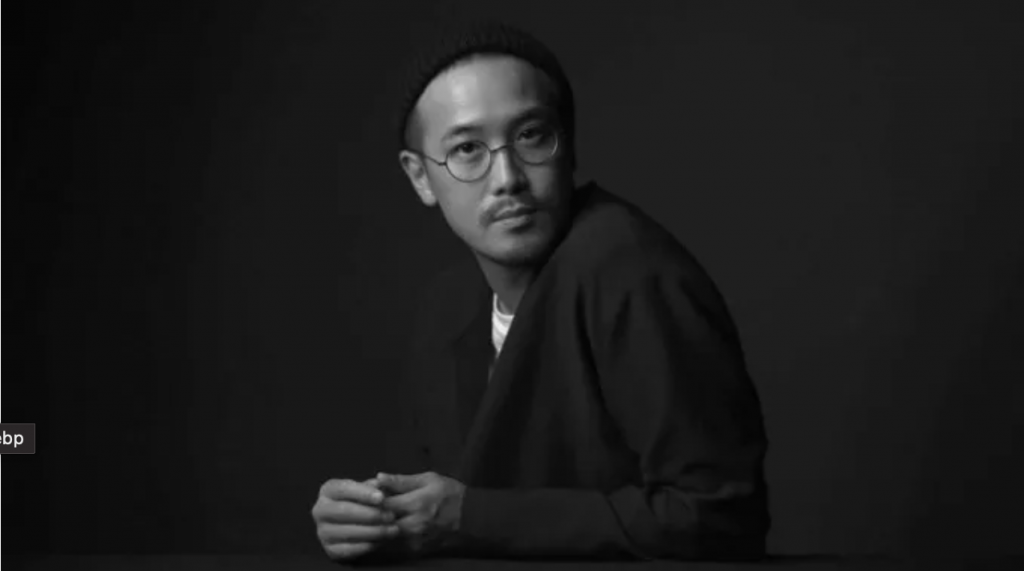
Derek Tsang, Director Of Oscar-Nominated Chinese Drama ‘Better Days,’ Signs With Anonymous Content

Derek Tsang, who directed the Oscar-nominated Chinese drama Better Days, has signed with Anonymous Content for representation. Tsang is currently co-executive producing and directing the pilot for The Three-Body Problem, a Netflix series adaptation of Liu Cixin’s alien invasion novel of the same name. Read more Deadline

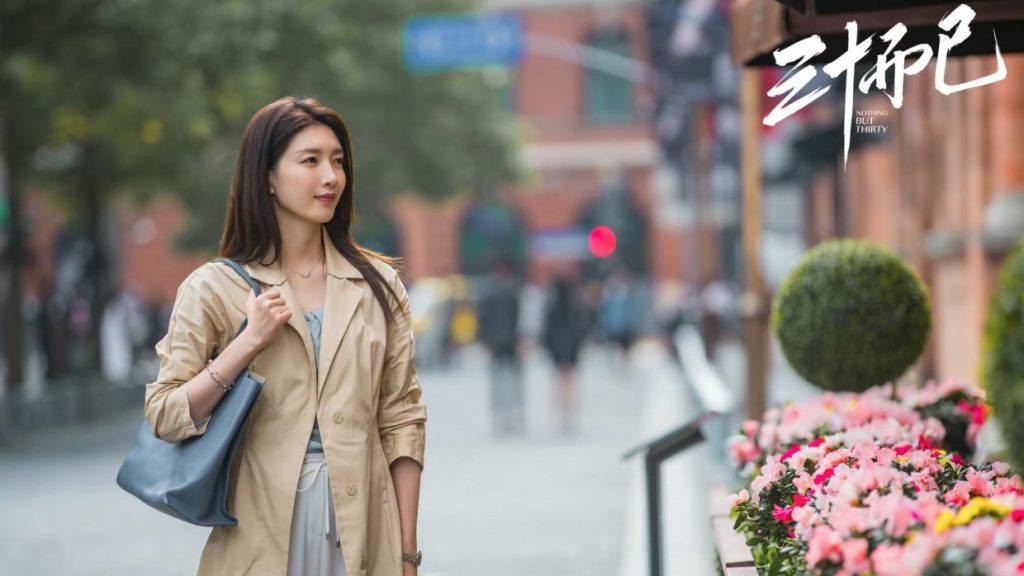
Love ‘Sisters Who Make Waves’? Here Are 5 More C-Dramas to Know

The popularity of C-dramas has created an opening for brands. But pleasing social media-savvy fans requires careful placement according to accepted wisdom about fashion and culture.

For years, Chinese dramas (also known as C-dramas) have been growing in global popularity. According to an iQIYI survey conducted last year, 76 percent of respondents across 26 countries have begun sampling the genre within the past two years alone. With streaming services such as iQiyi and even Netflix introducing mega-popular homegrown content to audiences worldwide, it is clear that such an increase in on-screen presence creates opportunities for businesses to tap local stars as the next fashion trendsetters in both domestic and global consumer markets.

But not everything seen on TV resonates with social media-savvy C-drama fans. For many netizens, on-screen portrayal must be realistically supplemented through fashion and accessories to complement the storyline, otherwise shows and brands can expect a backlash — such as the trending Weibo #DramaIreSyndrome hashtag, where netizens complained that their favorite narrative failed to live up to conventional wisdom.

Mindful groundwork is required for effective product placement in C-dramas. In order for those of all generations to see themselves mirrored in their favorite actors, natural placement should go hand-in-hand with accepted wisdom, such as the “classroom culture” of luxury hierarchy which details characterizations of top labels in a way that consumers relate to.

Nevertheless, when correctly executed, successful seeding and celebrity campaigns can yield a bountiful harvest, whether this means trending pieces for the season or a positive reflection in name, reputation, and recognition.

Here are five of the top TV shows in China for luxury companies to know. Continue to read the full article here

Headlines From China: Shanghai Fashion Week Expects Over 100 Million Viewers for Digital Schedule

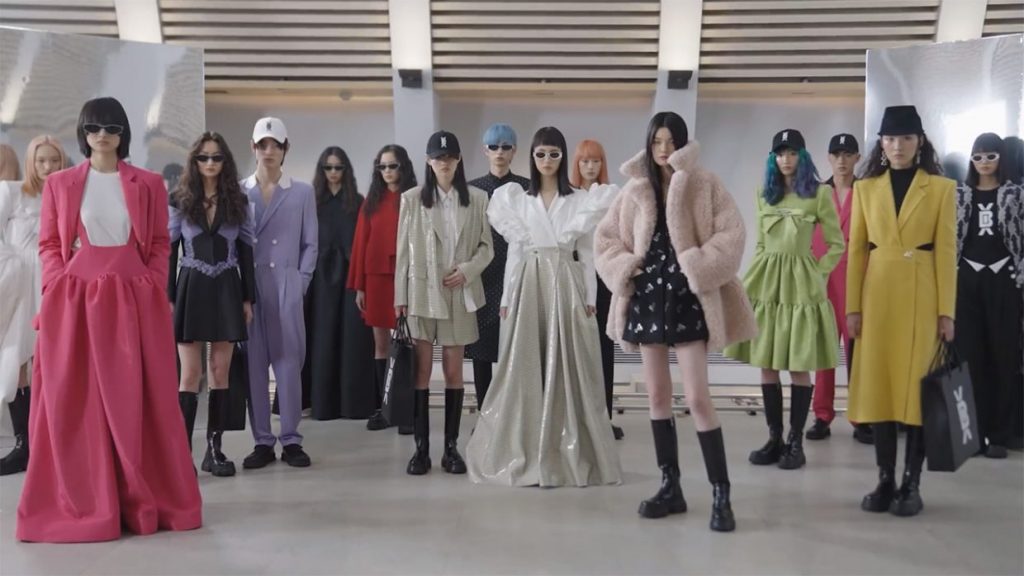
Shanghai Fashion Week Expects Over 100 Million Viewers for Digital Schedule

On June 13, Shanghai Fashion Week announced its relaunched schedule featuring 36 fashion brands, which will showcase their wares through dynamic livestreaming sessions on Douyin — where the related hashtag has over one billion views. New names include MTG, Double Fable, Ao Yes凹是, Ting Gong, Lulusmile, Tricokoo, and Attempt. Local heroes Shuting Qiu and Shushu/Tong will open and close the event respectively, and festivities will run from June 17-19. Read more Jing Daily

China’s Huanxi Media Gets Mired in Tax Dispute With Director

Huanxi Media Group is embroiled in a tax dispute with a movie director who partnered with the well-known Chinese film and television production company on an abandoned project. Huanxi responded yesterday by saying that the movie company is abiding by tax laws and regulations and has legally dealt with taxes related to the partnership dispute. Read more Yicai Global

The Real People Behind China’s Virtual Idols

“Virtual Youtubers” like Vox Akuma and the girl group A-SOUL have built huge followings in China. Often, these fandoms are as much or even more about the performer behind the digital mask as the character they play.
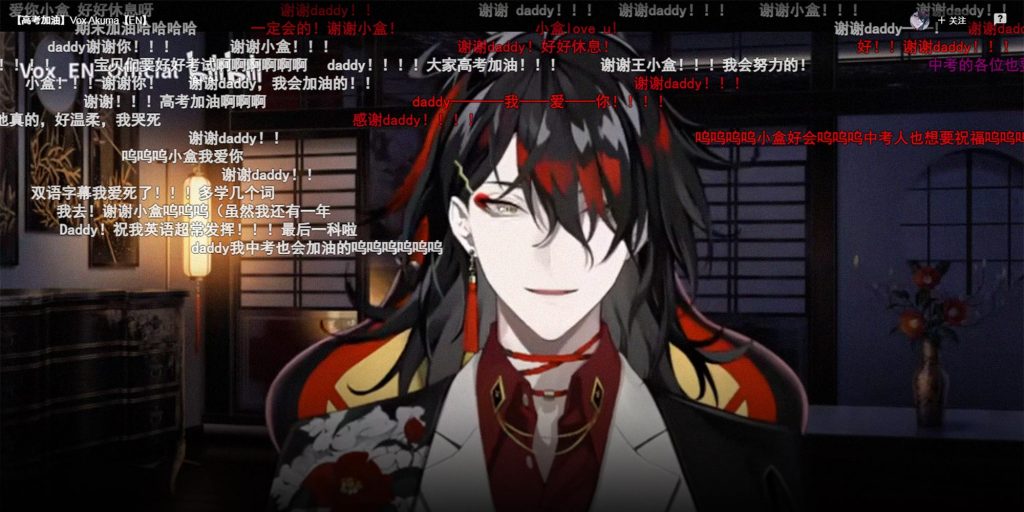
On May 1, 2022, Nijisanji, a Japanese talent agency, opened an account for its virtual idol Vox Akuma on the popular Chinese video-sharing site Bilibili. Before the day was out, Vox had 700,000 subscribers; a 90-minute livestream he held later that week brought in more than 1.1 million yuan ($149,000), according to the site.

Vox belongs to the growing category of virtual Youtubers, or VTubers. Similar to real livestreamers, VTubers entertain their viewers through performances, streaming games, and real-time interactions, earning income from a mix of viewer tips and advertising commissions. The only difference is that VTubers use digital avatars in place of their real faces. Their primary audience consists of young people from their late teens to their early thirties who grew up immersed in “ACG” culture, an umbrella term for a wide range of Japanese-influenced media, including animation, comics, and games.

As that generation grows up, they’re turning VTubers from a niche, albeit popular, fandom into a cultural phenomenon — and a highly lucrative industry.

Today’s VTubers can all trace their lineage to the eternally 16-year-old, blue-haired virtual pop star Hatsune Miku. “Born” in 2007, Hatsune Miku was created by Crypton Future Media using the voice synthesizer software Vocaloid. Her live shows, at which her legions of fans wave glowsticks and cheer for a holographic projection of the singer, can seem like a work of modern-day magic.

Like other pop stars, Hatsune Miku earns money from brand endorsements and shows, as well as a series of licensed PlayStation games. Unlike flesh and blood celebrities, however, Hatsune Miku does not age, go off script, or get caught up in scandals; she never needs a break, and perhaps most importantly, she doesn’t need to be paid. Unsurprisingly, this combination has inspired a wave of imitators. In China alone, Hatsune Miku copycats include Luo Tianyi, Oriental Gardenia, and Violet, all of whom routinely appear at corporate events and in provincial or municipal Spring Festival galas. Continue to read the full article here

– This article originally appeared on Sixth Tone.

 

Headlines From China: China’s New Oriental Education Giant Finds New Life in English Live Streaming

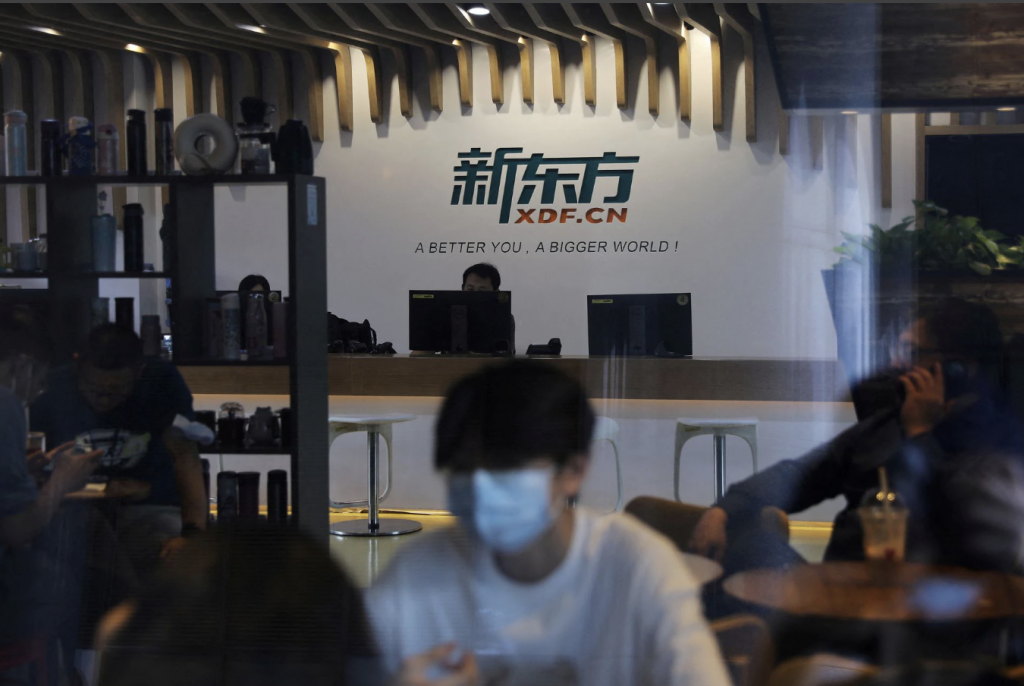
China’s New Oriental Education Giant Finds New Life in English Live Streaming

Shares in China’s New Oriental climbed for a fourth straight day on Wednesday, with analysts saying its new live-streaming sales strategy could help it recover from a regulatory crackdown that decimated its education business. he company was once one of China’s largest private tutoring firms but its fortunes changed overnight in July last year when Beijing enforced sweeping new rules on private education that barred tutoring for profit. New Oriental’s shares plunged and it dismissed tens of thousands of staff. Read more Reuters

Imax CEO Talks Ticket Prices, Cracking the Chinese Market, Expansion Plans and ‘Avatar 2’

Ahead of this week’s CineEurope, Richard Gelfond spoke with Screen about Imax post-pandemic plans. “We have 800 screens in China.” He said. During 2020 and 2021, [Chinese films] Detective Chinatown 3 and The Battle at Lake Changjin [shot with Imax cameras] weren’t just the number one Imax movies – they were the number one movies in the world. Read more Screen Daily