Headlines From China: ‘Jurassic World Dominion’ $53 Million Opening Gives China Its Best Box Office Weekend in Three Months

‘Jurassic World Dominion’ $53 Million Opening Gives China Its Best Box Office Weekend in Three Months

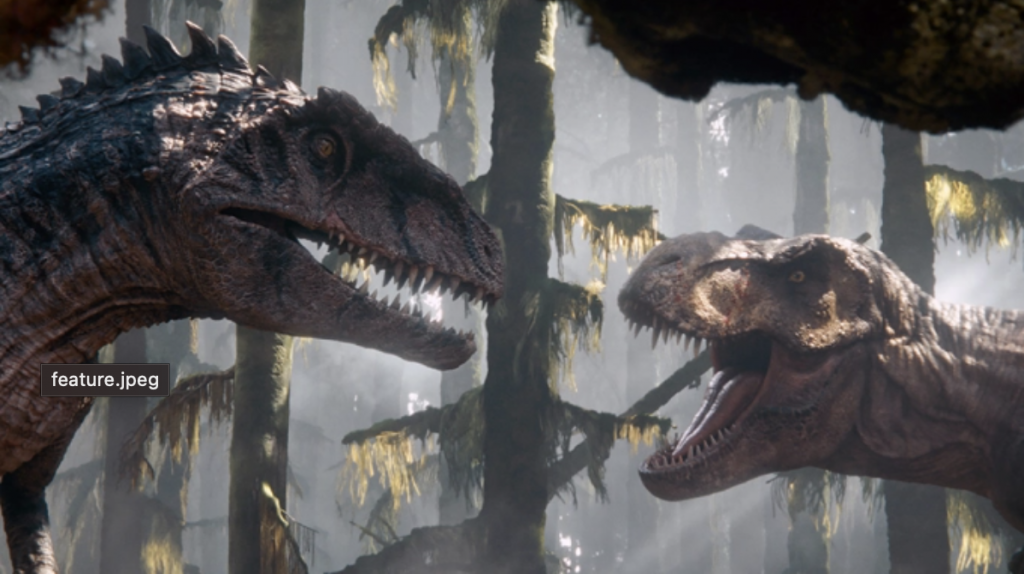
A powerfully impressive opening by “Jurassic World Dominion” and a partial reopening of cinemas gave China its biggest box office weekend in more than three months. It compares with $9.7 million earned on opening by “Fantastic Beasts: The Secrets of Dumbledore,” $11.6 million earned by “The Batman” and the $7.5 million opening haul of “The Matrix: Resurrections.” Read more Variety

International Animation Festival Comes of Age

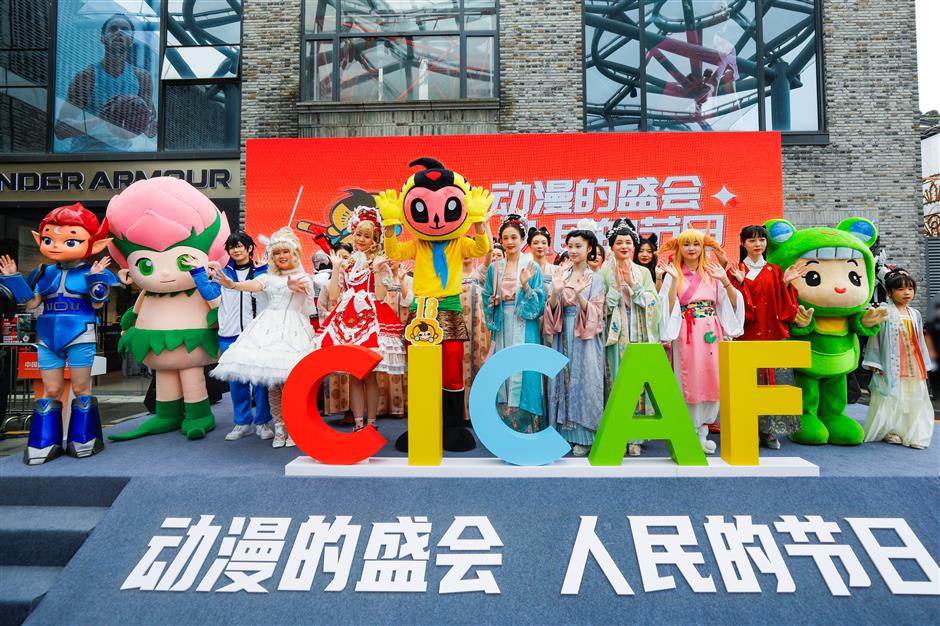
The China International Cartoon and Animation Festival is coming of age this year. Ever since the first CICAF in June 2005, the festival has developed into a carnival for mega buffs from across China. Agreements worth 480 million yuan (US$72 million) were inked during last year’s festival. Despite the pandemic, the festival still attracted more than 4,000 exhibitors and 335 enterprises and organizations from 56 countries and regions. About 1,650 one-on-one negotiations were carried out during the six-day event. Read more SHINE

China’s Cosplay Obsessed Gen Z Adore ‘Love, Death & Robots’

The third season of the Netflix series “Love, Death & Robots” is trending among China’s cosplay fans. What does its unexpected appeal say about local Gen Z?

What Happened: On May 20, Netflix dropped its third season of the animated series “Love, Death & Robots” to an excited and welcoming local fanbase. The collection of shorts (known as 爱死机 in China) blends sci-fi, fantasy, and supernatural elements, and has garnered 120 million views to its Weibo hashtag and over 9,000 Xiaohongshu UGC instances so far.

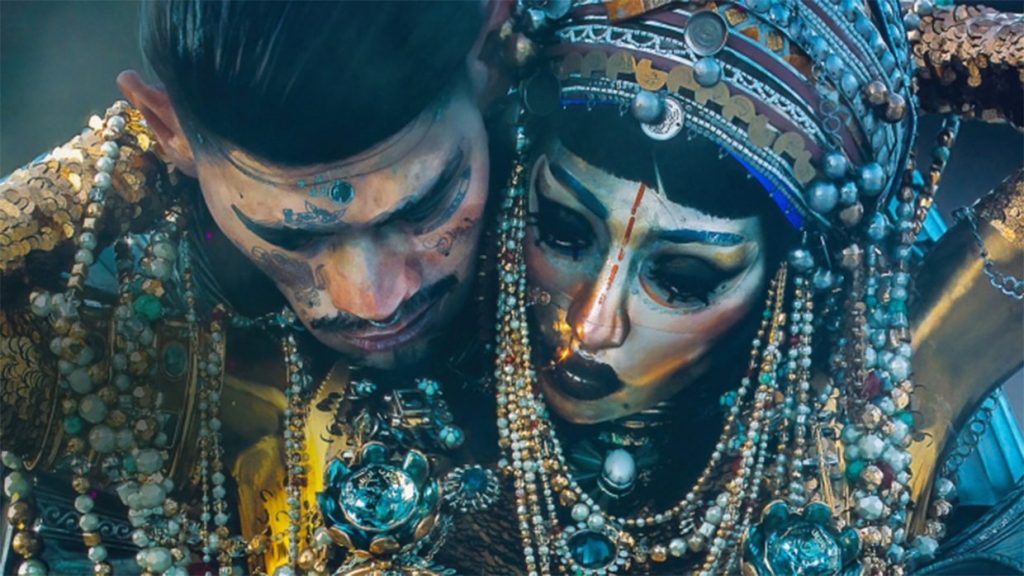
The third episode titled “Jibaro,” featuring a strange romance between a seductive siren and a deaf knight, is a clear winner with netizens. The related hashtag has garnered more than 67 million views on Weibo, while images featuring make-up imitations of the siren have flooded Xiaohongshu with a current total of over 15 million views.

The Jing Take: The success of Jibaro and the “Love, Death & Robots” series among China’s make-up obsessed, fashion-savvy crowd indicates not only the desire among local youth and Gen Z for visual fantasy, but also the importance of storytelling, history, and symbolism in a digital world.

Rather than using traditional Greek mythology, director Alberto Mielgo took cues from an amalgamation of folklore from geographical areas like India, North Africa, and Eastern Europe to create the golden, jewel-clad, blinding beauty of the Jibaro siren. Furthermore, the siren’s seductive dance and extravagant treasure-covered appearance contribute to her otherworldly appeal — inspiring legions of copycats. KOL @laobabie wrote: “I spent an entire week recreating the costume and the make-up.”

From 2019-2020, China’s domestic cosplay costume market size increased by 20 percent. In 2021, the number of consumers attracted to the cosplay market were projected to be 403 million with further growth expected in the following years. With over-the-top visuals blending fantasy and creative artistry translating well — even in a short video format  — “Love, Death & Robots” cosplaying appeal is indeed unsurprising. Younger citizens’ dedication to forging a new identity for themselves has been well documented. Now, the imitation frenzy surrounding the Jibaro siren is a nice insight for luxury into what Gen Z in China crave: the unexpected and inexplicable but never the boring. Continue to read the full article here

Headlines From China: Chinese Movie Industry Screens Business Tragedy

Chinese Movie Industry Screens Business Tragedy

Theatregoers are demanding a rewrite of China’s cinema script. Lockdowns pushed movie ticket sales to a 10-year low during the recent Dragon Boat Festival holiday weekend. The country is still energetically adding new theatres – a statistic that used to excite Hollywood bigwigs seeking more venues for big-screen blockbusters. The question is whether China’s citizens will return to fill the seats. Read more Reuters

Alibaba, Bilibili Extend Gains as China Approves More Games

US-listed Chinese stocks are on course for a third day of gains after China approved a second batch of video games this year, marking a further softening in the country’s stance toward internet firms. The Nasdaq Golden Dragon China Index rose as much as 2.8% on Wednesday, extending an 8.9% rally in the previous two sessions. Read more Bloomberg

What the ‘Sisters Who Make Waves’ Sensation Says About Chinese Shoppers

The third season of the variety show, “Sisters Who Make Waves,” is taking China’s internet by storm. How can luxury brands ride on its popularity? 
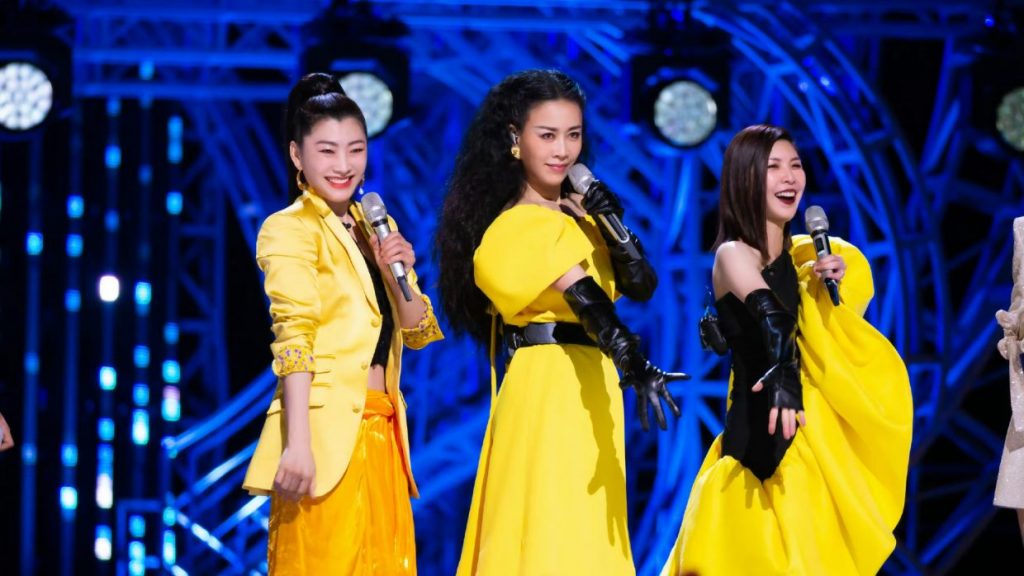
After a successful first and second season, the hyper-popular domestic variety show, “Sisters Who Make Waves (乘风破浪的姐姐),” is taking China’s internet by storm once again. Even before the program aired, the show’s comeback drove significant online traffic. On May 17, the announcement of the celebrity roster garnered over 230 million views on Weibo within eight hours.

Unlike other talent shows where young unknown contestants compete to debut as a new girl or boy group, the Mango TV reality series invites 30 established female celebrities over the age of 30 to vie for a chance to re-debut on the stage. The casting largely taps into Millennials and Gen Z’s nostalgia.

From Taiwanese singer and actress Cyndi Wang, who was one of the hottest stars in the 2000s and early 2010s, to Jessica Jung, the Korean idol and ex-member of the K-pop band Girls’ Generation, this season’s participants did not disappoint. On the first day alone, the show was played 136 million times, far surpassing the viewership of the previous two seasons.

Here, Jing Daily analyzes how luxury brands can take advantage of this trending TV program.

Dressing contestants 

In recent years, high-end houses have been leveraging young traffic stars like Ouyang Nana, Song Zu’er, and Zhao Jinmai to appeal to Gen Z. However, the overly young cast of ambassadors alienates older generations from mirroring themselves in luxury brands’ offerings. Considering that China is one of the fastest aging populations in the world, this might be a loss for companies.

The program’s celebrities present a unique opportunity for companies to reconnect with these older demographics by leveraging familiar faces. At the same time, because the series is widely popular among young consumers, dressing, featuring, and endorsing these stars will greatly resonate with this target, too.

London-based demi-fine jewelry brand Missoma seems to have anticipated the popularity of the show. Thus far, its iconic necklaces, rings, and earrings have been seen on multiple contestants, such as 43-year-old singer and actress Aya Liu, singer and songwriter Kelly Yu, and Tan Weiwei, runner-up of the third season of the national singing contest “Super Girl.” Continue to read the full article here

Could Bilibili’s Variety Show Push Attract Luxury Brands?

Bilibili has moved quickly to diversify revenue streams, but is it enough to boost share prices?

With its share prices dropping by $100 over the past year and China’s crackdown on gaming and entertainment showing no signs of stopping, short video platform Bilibili finds itself in make-or-break territory, with impressive revenue growth clouded by spiraling costs.

According to Bilibili’s 2021 annual report, the company boasted a 61.6 percent year-on-year increase in revenue last year, reaching an impressive 19.4 billion yuan ($2.9 billion). This momentum continued into 2022, with total net revenues increasing 30 percent in the first quarter over the same period last year to 5.05 billion yuan ($755.8 million). User acquisition showed satisfactory growth, with monthly active users (MAUs) reaching 293.6 million and monthly paying users hitting 27.2 million in Q1 2022, up from 271.7 million and 24.5 million, respectively, in the fourth quarter of 2021.

Recent years have shown Bilibili’s ability to attract users, keep them entertained, and – crucially – lure brands like Dior, Shiseido and Mercedes-Benz both as advertisers and active users. Notably, revenue from advertising in the first quarter of 2022 jumped 46 percent over the same period last year, reaching 1.04 billion ($155.6 million). Its biggest problem remains yawning costs. Continue to read the full article here